Key Points
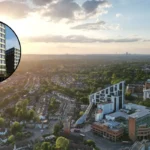
- Plans submitted to convert the Grade II listed Clarendon Hotel in Blackheath into specialist accommodation for 77 elderly people.
- The Clarendon Hotel, a 175-room building, is located at 8 to 16 Montpelier Row, a row of Georgian terraces dating back to the late 18th century.
- The proposal includes restoration of the building, new facilities such as a gym, health and wellbeing amenities, and a public restaurant.
- Part of the site would be demolished to construct a new extension with blocks ranging from two to four-and-a-half storeys, connected by glazed links.
- The development is viewed as a positive step to address housing needs, reduce NHS pressure, and free up family homes.
- Plans were submitted by Elysian Blackheath LP to Lewisham Council on 19 September and are awaiting determination.
- Listed building consent has also been requested to ensure the historic status of the property is respected.
- The proposal aims to regenerate a dated and declining facility, with substantial benefits for older person accommodation in Lewisham.
What Are the Plans for the Historic Clarendon Hotel in Blackheath?
As reported by Dylan Smith of My London News, Elysian Blackheath LP has submitted planning applications to Lewisham Council to convert the Clarendon Hotel into accommodation tailored for elderly residents. The hotel presently has 175 rooms but would be adapted to house 77 specialist older persons’ units.
The hotel stands prominently at the top of Blackheath Village, located at 8 to 16 Montpelier Row. This stretch belongs to a series of Georgian terraces that carry a Grade II listing status. According to Visit Greenwich, these terraces date back to the late 18th century and were originally built for city merchants and seafarers.
How Will the Conversion Serve the Community’s Housing Needs?
The conversion plan aims not merely to restore the building but to transform it into accommodation that supports older people with specialised needs. Dylan Smith notes that the project would include amenities such as a gym, health and wellbeing facilities, and a restaurant accessible to the local community, merging residential care with social engagement.
Elysian Blackheath also proposes demolishing part of the site to facilitate a new extension at the rear. This new development would comprise blocks from two to four-and-a-half storeys, linked with glazed walkways, designed to complement the original Georgian structures while extending the accommodation capacity and modern facilities.
Why Is This Project Considered Beneficial for Lewisham?
As reported by Steven Moore for My London News, proponents of the scheme argue it addresses an “identified housing need in the borough,” particularly through specialist older persons’ living. The project could help reduce pressure on the NHS by providing supportive housing solutions, potentially lowering healthcare costs by promoting wellbeing and independence among elderly residents.
In addition, by providing targeted accommodation for older people, it may release currently underused family homes in Lewisham, helping to ease housing shortages across demographics.
What Is the Historical Significance of the Site?
The Clarendon Hotel is situated within a historic context, as the Georgian terrace it occupies was developed in the late 1700s. Visit Greenwich highlights the site’s connection to merchant and seafaring heritage, lending cultural value to its preservation.
Adjacent to the Clarendon were two other hotels, the Regency and Heathview, which merged into the current hotel business in the late 1970s, according to local histories cited by Dylan Smith.
What Is the Current Status of the Planning Application?
The plans were formally submitted on 19 September to Lewisham Council’s planning portal and are pending review. Elysian Blackheath has also sought listed building consent to ensure any restoration respects the building’s heritage status.
Commenting on the proposals, a planning representative described it as an opportunity to revitalise what they called a “dated and declining facility,” bringing significant regeneration benefits to Blackheath and the wider Lewisham area by meeting the growing demand for elderly accommodation.