Key Points
- Thamesmead has long endured poor transport connections across South London and the River Thames.
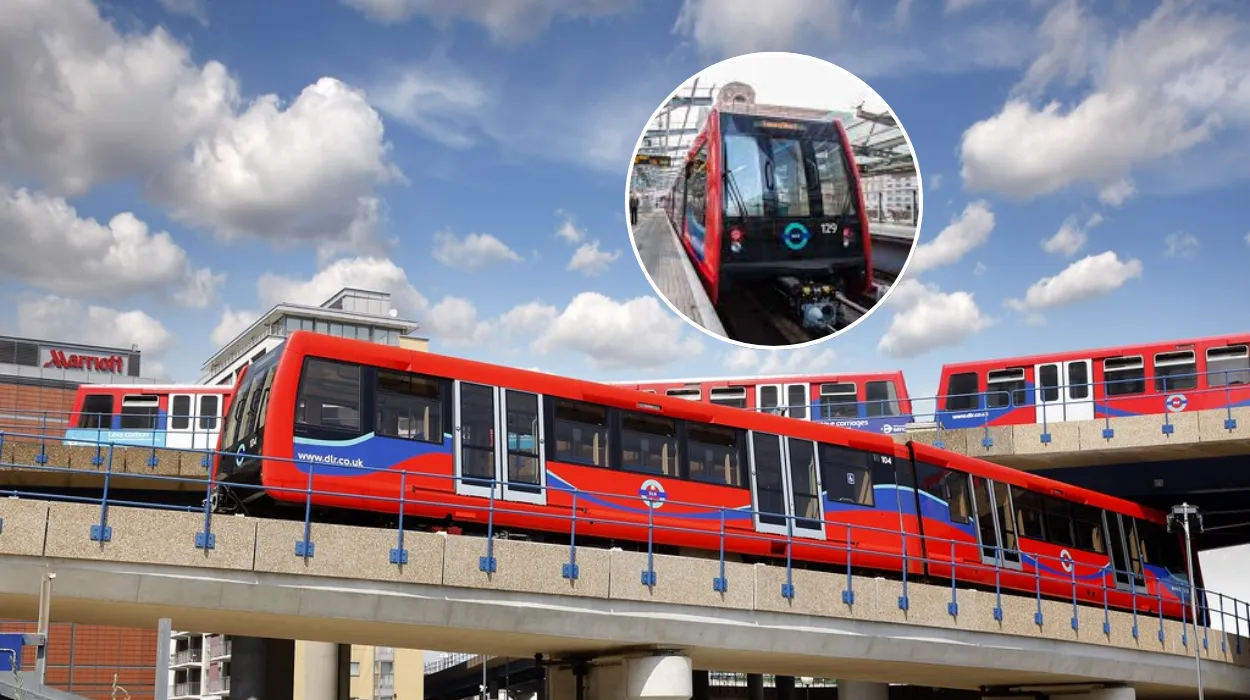
- The proposed Docklands Light Railway (DLR) extension is widely anticipated by local residents as a potential solution.
- Currently, residents face lengthy journeys to Abbey Wood or Woolwich Arsenal for rail services.
- The arrival of the Elizabeth line in Abbey Wood has demonstrated how transport upgrades can transform travel ease.
- Locals like Malcolm Hearn describe current transport links as “appalling” and a barrier to mobility.
- Residents across all ages express optimism that the DLR extension would improve access and daily life.
- Despite enthusiasm, Thamesmead awaits a formal decision on the DLR extension project.
What are the transport challenges faced by Thamesmead residents?
Thamesmead, a neighbourhood in South London, has been dealing with frustratingly poor transport connections for decades. As Malcolm Hearn, a 63-year-old resident, told Lauren Cole of MyLondon,
“The DLR needs to be extended to Thamesmead because the transport links from South London across the river are just appalling.”
He pointed out that crossing the river was often an unnecessary hassle, especially before the arrival of the Elizabeth line, stating,
“Before the Elizabeth line in Abbey Wood, I would have to go right into Central London to get across the river… Unless I used the ferry, but no one wants to use the ferry.”
This lack of reliable and direct rail links means many residents must undertake long journeys on buses or walk extended distances just to reach stations at neighbouring areas such as Abbey Wood or Woolwich Arsenal. Jude, another Thamesmead local, expressed satisfaction at the prospect of the DLR extension, saying,
“I’m happy with the train coming over because a lot of us have to travel as far as Abbey Wood or Woolwich Arsenal just to get the train.”
How has the Elizabeth line changed transport perceptions in Thamesmead?
The arrival of the Elizabeth line in Abbey Wood has become a symbol of positive change for many residents. Juliet Olodu, 48, shared her experience with the line in an interview with Lauren Cole for MyLondon. She reflected,
“The first time when they were talking about the Elizabeth line we were like, ‘what is this about?’ But now I enjoy using it because it makes transport very quick and easy.”
Juliet also highlighted the psychological barrier that comes with major changes, acknowledging people’s initial apprehensions but noting the eventual benefits:
“Sometimes changes can scare us, but most times, it surprises us in a positive way.”
These sentiments underscore the transformative potential seen in the DLR extension, which many hope will deliver similar improvements.
What does the local community think about the proposed DLR extension?
Support for the DLR extension across Thamesmead spans generations. Leo Sanzone, a 20-year-old resident, told MyLondon’s Lauren Cole,
“I think they should do it because we only have the Elizabeth line and the Thameslink.”
He emphasised the importance of connectivity, stating,
“No one in Thamesmead would have to travel out to travel anywhere else, so I think it’s a good idea.”
For many, the extension promises a direct and reliable connection that would reduce dependence on buses and reduce journey times. Residents see this not only as a matter of convenience but as a key to unlocking economic and social opportunities within the area.
Why does Thamesmead’s connectivity affect its future prospects?
Thamesmead’s transport links have significant implications for its development and the quality of life of its residents. The area’s historic isolation from fast and efficient rail services has been a longstanding barrier to growth. By improving connectivity, the DLR extension is anticipated to attract investment, improve access to jobs and education, and enhance overall community wellbeing.
The project has been eagerly waited on, with locals hopeful that this infrastructural development will finally bring Thamesmead in line with other well-connected parts of London. Despite the widespread enthusiasm, the area remains in a state of limbo, awaiting official confirmation on the DLR extension route and progress.