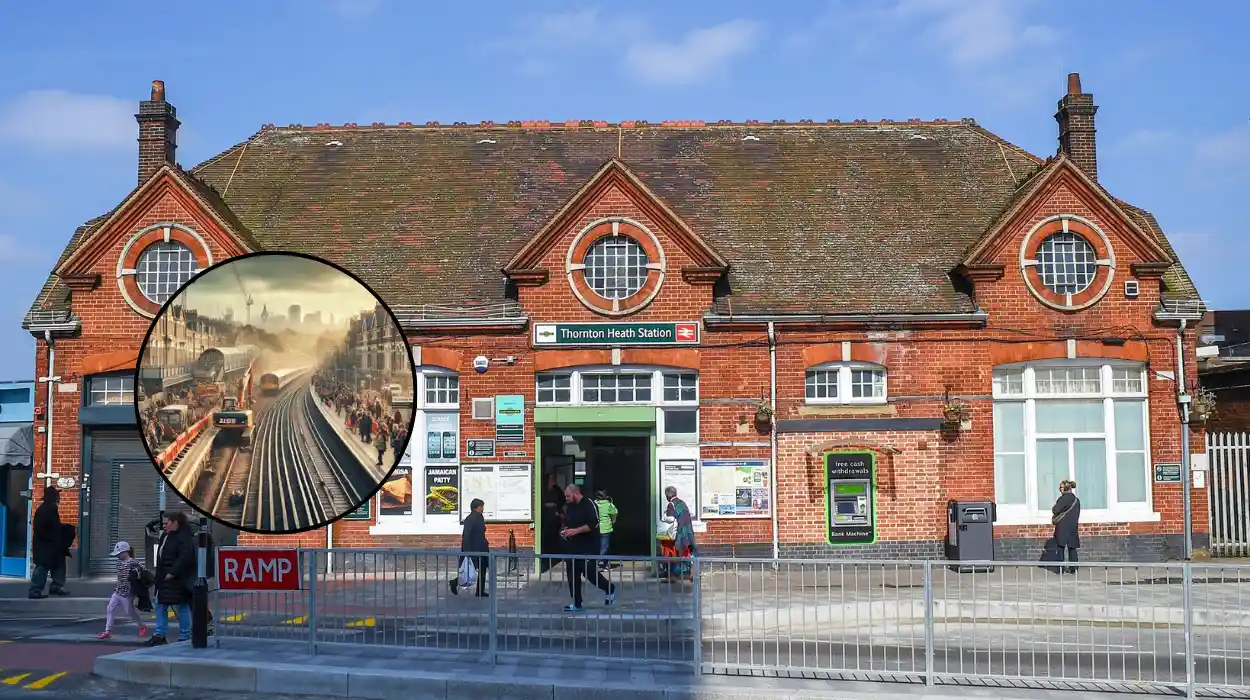
Train disruption in South London is a frequent concern for commuters, travelers, and residents who rely on this vital transport network daily. Understanding the causes and impacts of train disruptions, alongside practical advice for navigating these interruptions, can help South Londoners manage their travel plans more effectively and reduce stress.
- What Causes Train Disruption in South London?
- Signalling Problems
- Severe Weather Effects
- Overhead Line and Electrical Failures
- Seasonal and Environmental Issues
- Engineering Works and Maintenance
- The Impact of Train Disruption on South London
- Commuter Stress and Productivity Loss
- Economic Consequences
- Environmental Considerations
- How to Prepare and Navigate Train Disruptions in South London
- Stay Informed in Real Time
- Plan Alternative Routes
- Consider Flexible Travel Times
- Use Compensation Schemes
- The Future of Rail Infrastructure in South London
- Upgrading Signalling Systems
- Infrastructure Resilience Against Climate Change
- Expanding Capacity and Connectivity
What Causes Train Disruption in South London?
Train disruptions occur for a wide range of reasons, many of which are common across the UK rail network but can have specific impacts in South London due to its transport infrastructure and weather patterns.
Signalling Problems
One of the most common causes of train disruptions is signalling failure. This includes issues such as blown fuses or circuit faults causing signals to remain on red or not display correctly, preventing trains from safely proceeding. In South London, where multiple lines intersect and share tracks, a signalling problem can rapidly cascade, delaying services across the network. These faults mean train operators and signal controllers cannot accurately track train locations, leading to service delays and cancellations.

Severe Weather Effects
South London is not immune to the effects of extreme weather, which can disrupt rail services significantly. Extreme heat can cause the rails to expand and buckle, slowing trains to ensure safety. Cold weather, ice, and heavy rain — such as flooding events recently experienced during Storm Claudia in 2025 — can damage tracks and overhead power lines, leading to disruptions on key routes in and out of South London.

Overhead Line and Electrical Failures
Electric trains, which form the backbone of South London’s rail services, rely on overhead lines and third rail electrification. Failures in the electricity supply or damage caused by debris or extreme weather can halt services until repairs are completed. This kind of disruption affects all electric train services in a given area, further complicating travel plans for commuters.

Seasonal and Environmental Issues
Unique seasonal issues such as “leaves on the line” can cause slippery rails, reducing train traction and requiring slower speeds for safety. South London’s extensive tree cover means this is a recurrent problem during autumn, combining with wet weather to slow services.
Engineering Works and Maintenance
Scheduled engineering works intended to maintain or upgrade the rail infrastructure often require temporary closures or reduced train frequencies. South London transport hubs, such as London Waterloo and London Victoria, frequently undergo such works, causing planned disruption that can stretch for days during off-peak seasons to minimize passenger impact.
The Impact of Train Disruption on South London
Train delays and cancellations affect millions daily by increasing journey times, causing overcrowding, and reducing the reliability of public transport. Disruptions also affect local businesses, tourism, and the overall economy by hindering the smooth movement of people and goods.
Commuter Stress and Productivity Loss
For South London residents commuting to central London or other regions, frequent disruptions contribute to stress, late arrivals, and a decrease in productivity. Many commuters must leave earlier or seek alternative routes, incurring extra costs and time.
Economic Consequences
The economic impact extends beyond individuals. Transport delays can cause ripple effects, disrupting deliveries, employee attendance, and customer access to businesses. This is particularly significant around major stations like London Waterloo, a key terminus for trains heading southwest.
Environmental Considerations
Train disruptions, especially those forcing passengers to use alternative road transport, can lead to increased carbon emissions. Reliable and efficient train services are critical for promoting sustainable urban mobility in South London.
How to Prepare and Navigate Train Disruptions in South London
While some disruptions are unavoidable, there are strategies and tools that commuters and travelers can use to mitigate inconvenience and better plan their journeys.
Stay Informed in Real Time
Use official sources like National Rail Enquiries and train operator apps for real-time updates on delays and cancellations. During widespread faults or severe weather, these platforms provide information on affected lines and alternative routes.
Plan Alternative Routes
South London is served by multiple train operators such as Southern, Thameslink, Southeastern, and South Western Railway. Familiarize yourself with alternate lines and bus routes that can be used when your usual service is disrupted. Cycling or walking can also be feasible options for short journeys.
Consider Flexible Travel Times
If possible, travel outside peak hours to avoid congestion caused by delays and service reductions. Engineering works are often scheduled for weekends or late nights; planning around these times can avoid some disruption.
Use Compensation Schemes
Passengers delayed due to disruption may be eligible for compensation through schemes like Delay Repay offered by most UK train operators. Keep travel receipts and check eligibility criteria on the operator’s website.
The Future of Rail Infrastructure in South London
Efforts are underway to modernize and improve railway infrastructure in and around South London. These investments aim to reduce disruption frequency and enhance service resilience.
Upgrading Signalling Systems
Replacing older mechanical and electrical signalling with advanced digital systems will improve train reliability and safety on busy South London routes.
Infrastructure Resilience Against Climate Change
The railway industry is responding to increased weather extremes by upgrading track materials and drainage systems and hardening power supply infrastructure, all vital for South London’s varied climate challenges.
Expanding Capacity and Connectivity
Projects like the Thameslink Programme improve north-south rail capacity across London, including South London stations, providing more frequent and reliable train services.
Train disruptions in South London arise from a blend of technical, environmental, and scheduling factors. Understanding these causes helps passengers prepare for and adapt to such disruptions. By staying informed, using alternate routes, and planning flexibly, South London commuters can minimize the impact of delays. Ongoing infrastructure improvements promise a more reliable rail network, supporting South London’s connectivity and economic vitality for years to come.