Key Points
- Emily Martins, a 31-year-old disabled woman, is trapped in her South London flat due to lack of visitor parking.
- She was reassured by landlord PA Housing that visitor parking would be accessible before moving into Venture House.
- Venture House, an affordable housing block in Wandsworth, has no dedicated visitor car park.
- Visitors, including Emily’s mother who assists her daily, have been receiving fines for parking in disabled bays.
- Emily’s mother cannot get a resident parking permit as the car is not registered at Emily’s address.
- PA Housing acknowledges the issue and says it will review the possibility of reserving a disabled bay for visitors.
- Emily describes the situation as an impact on her mental health and feelings of isolation.
Why does Emily Martins feel trapped in her South London flat?
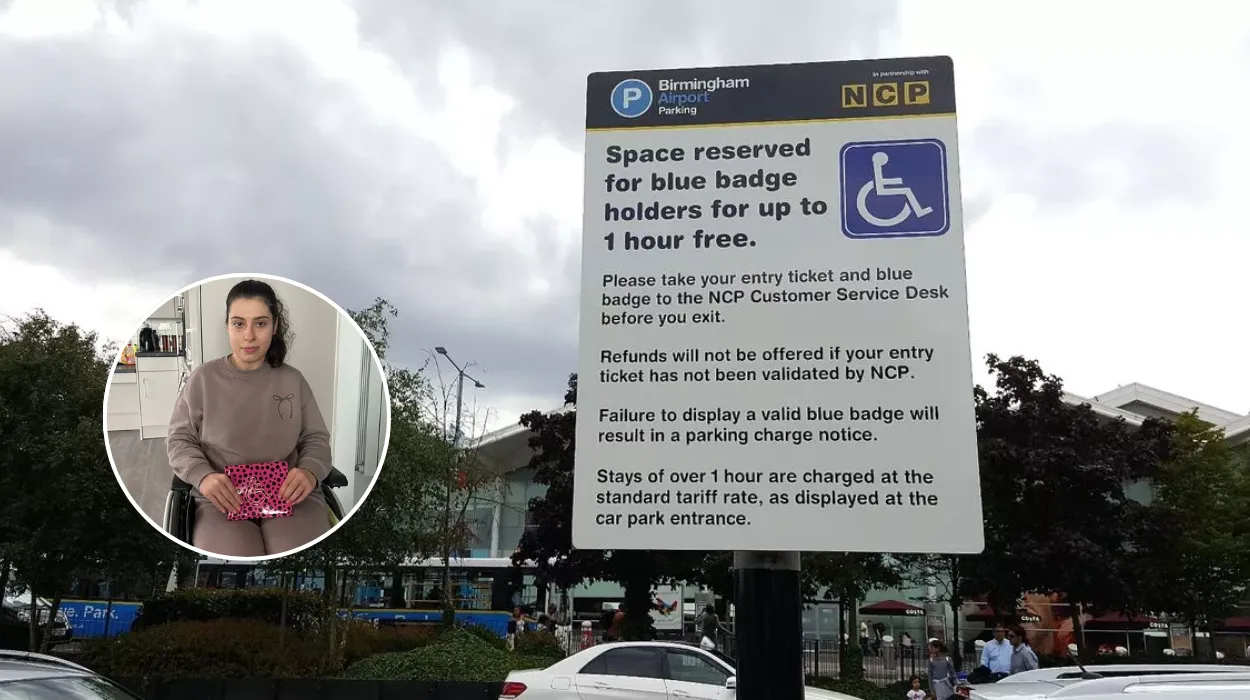
Emily Martins, who uses a manual wheelchair, says she feels trapped in her flat at Venture House in Wandsworth because of restrictive parking rules. As reported by Charlotte Lillywhite of the Local Democracy Reporting Service (LDRS), Emily needs her mother’s help for daily activities such as cleaning and going outdoors. Her mother, who drives a mobility car, often takes her to hospital appointments and shops. Without a place to park, Emily’s mother frequently faces parking fines, leaving Emily isolated.
- Key Points
- Why does Emily Martins feel trapped in her South London flat?
- What parking arrangements were promised to Emily before she moved in?
- Why can’t Emily’s mother park without receiving fines?
- What is the housing association’s response to Emily’s complaints?
- What impact has the parking issue had on Emily personally?
- How does the lack of visitor parking affect other disabled residents?
- What are the planning and local authority roles in parking allocation?
What parking arrangements were promised to Emily before she moved in?
Emily told the LDRS that before moving into Venture House, part of the new Swandon Gardens development, PA Housing, the landlord, assured her she would have access to parking to accommodate visitors. Despite this assurance, Venture House does not have a dedicated car park like other blocks in the development, leaving visitors with no allocated spaces.
Why can’t Emily’s mother park without receiving fines?
The building only has ten disabled parking bays, which are all allocated to residents registered as disabled and who own a vehicle. Emily’s mother’s car is not registered to Emily’s address, as Emily herself cannot use the vehicle. This means Emily’s mother is not eligible for a resident permit. According to Emily’s account to LDRS, she submitted forms requesting a permit but was denied because the car is not registered to her flat.
Emily said,
“I can’t enjoy my flat. I can’t have my friends, I can’t have my family over and when they come they say to me, ‘I got a parking ticket again’. Even putting me in the car you get a parking ticket, it doesn’t make sense. A Blue Badge means nothing here.”
She added,
“If I can’t park, I can’t go out. If I can’t use my Blue Badge, then I can’t do anything because I can’t take a train because it’s not accessible, the buses are another joke… and I can’t wheel myself in a wheelchair.”
What is the housing association’s response to Emily’s complaints?
Sally-Anne Underhill, PA Housing’s Director of Neighbourhoods and Customer Services, told the LDRS they would review the possibility of reserving a visitor disabled bay once a space becomes available. She acknowledged the challenge disabled residents face regarding parking, stating,
“We recognise the significant challenge that our residents, and their visitors, face with parking at some of our homes, especially in London where spaces are limited.”
Underhill confirmed regular communication with Emily on the arrangements and noted that as per planning approval by the local authority, there are only ten disabled parking bays at the building—all allocated to disabled residents with vehicles registered to their address.
“We remain committed to ensuring fair access to parking for our disabled residents and their visitors,” she said.
What impact has the parking issue had on Emily personally?
Emily expressed frustration and mental health consequences resulting from her isolation and inability to host or go out. She shared,
“It’s so simple. We have a Blue Badge, so why can’t we park there? To be honest, sometimes I say to my mum I wish I wasn’t disabled and I shouldn’t think like that.”
She added,
“I should be able to be a 31-year-old woman going out with my friends, having family over, and I don’t have any of that.”
How does the lack of visitor parking affect other disabled residents?
Emily highlighted that she is not alone in her struggle, saying there are many disabled people in the block affected by the lack of parking. She questioned the rationale of placing disabled tenants in a housing block without visitor parking options, underlining the inconsistency and hardship faced by the community.
What are the planning and local authority roles in parking allocation?
The ten disabled parking spaces at Venture House were determined by the local authority as part of the planning approval process. PA Housing explained that all these bays are assigned to residents with registered disabled vehicles, leaving no room for visitor permits. However, PA Housing has committed to exploring reserving a visitor bay when an opportunity arises to improve accessibility.