Key Points
- Haringey, Lewisham, and Southwark will each receive up to £10 million from Transport for London (TfL) over four years.
- Funding aims to improve bus infrastructure and operations, targeting up to 30% reduction in bus journey times.
- Projects include better roadworks management, station concourse revamps, and bus stop upgrades.
- TfL’s Better Bus Partnerships (BBP) programme selected these boroughs after over half of London’s boroughs proposed improvement schemes.
- Community engagement and consultations will guide the project design throughout 2026 with delivery planned from 2027.
- Lewisham Council highlights buses as vital for residents, especially in areas with less rail connectivity and higher deprivation.
- Haringey plans to focus investment on regenerating Wood Green, Tottenham, and Green Lanes.
- This funding complements over £80 million in Local Implementation Plan funding for walking, cycling, and air quality projects in London boroughs.
What is the purpose of the new funding for London borough bus networks?
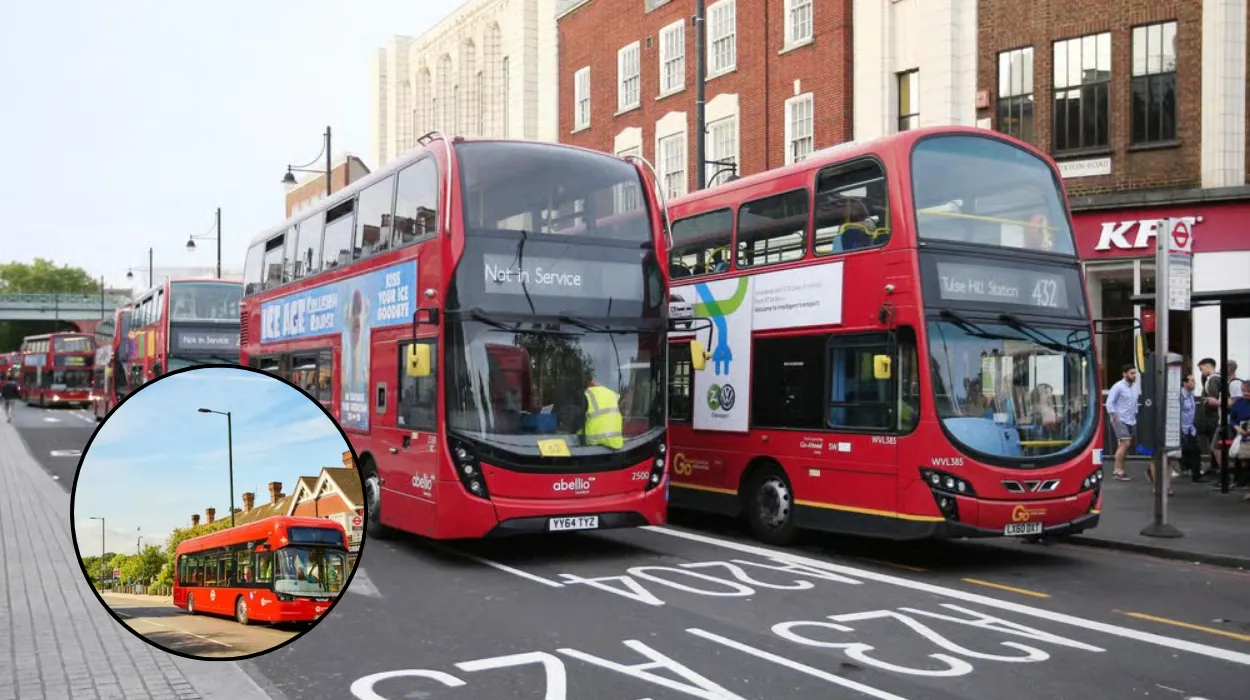
According to Transport for London (TfL), the £10 million allocated to each of the three boroughs—Haringey, Lewisham, and Southwark—over a four-year period will be directed towards significantly improving bus network operations and infrastructure. As reported by MyLondon, the funding is designed to help boost journey times by up to 30 percent through enhancements such as better roadworks management, station concourse renovations, and bus stop upgrades.
- Key Points
- What is the purpose of the new funding for London borough bus networks?
- How were the boroughs chosen for this investment?
- What improvements will be made with the funding?
- How will the local communities be involved in these projects?
- Why is this investment particularly important for Lewisham?
- What are Haringey’s plans for the funding?
- How does this funding fit into the wider context of London’s transport and environment goals?
The intention is to create a more efficient and reliable bus network that supports sustainable urban transport. Lorna Murphy, TfL’s Director of Buses, emphasised the importance of collaboration between TfL and the boroughs. She said,
“It is encouraging to see boroughs putting bus services at the heart of their communities to support sustainable transport for all and a safer, cleaner, greener London.”
Murphy further highlighted the role of the Better Bus Partnerships (BBP) programme in facilitating this investment.
How were the boroughs chosen for this investment?
The selection of Haringey, Lewisham, and Southwark came as part of the BBP programme launched in July 2024. As MyLondon reported, more than half of London’s boroughs pitched proposals aimed at improving faster and more accessible bus travel. These three boroughs’ plans stood out for their potential impact and readiness for development.
According to TfL, the BBP programme encourages boroughs to prioritise bus travel improvements that reduce delays and boost overall public transport efficiency. This initiative builds upon the significant sums already claimed by boroughs through Local Implementation Plan funding—which has exceeded £80.85 million in 2025 for projects focused on walking, cycling, air quality, and road safety improvements.
What improvements will be made with the funding?
Funding will cover a variety of improvements aimed at speeding up buses and enhancing passenger experience. According to coverage by MyLondon:
- Roadworks management: Coordinating works to reduce delays affecting bus routes.
- Station concourse upgrades: Enhancing passenger facilities at bus interchanges to ease movement and accessibility.
- Bus stop upgrades: Improving shelters, signage, and accessibility to make waiting more comfortable and intuitive.
Lorna Murphy stated, “We now look forward to working closely with Haringey, Lewisham and Southwark over the coming years to deliver their bus schemes as part of the Better Bus Partnerships programme.”
How will the local communities be involved in these projects?
TfL plans a thorough process of consultation and community engagement throughout 2026 as the schemes move from design and planning stages towards implementation in 2027. This approach ensures residents, local businesses, and stakeholders have a say in how changes are shaped and enacted, reflecting the needs of each borough’s unique demographics and travel patterns.
The BBP programme’s ethos stresses collaboration and tailored solutions, which means local voices are integral to final designs and operational adjustments.
Why is this investment particularly important for Lewisham?
Councillor Louise Krupski, Lewisham Council’s Cabinet Member for Climate Action, Transport and Environment, emphasised the critical role that buses play in Lewisham. As reported by MyLondon, she explained,
“Almost half of our households do not own a car, so buses are a lifeline for many residents, especially in the south of the borough where there are fewer train connections and higher levels of deprivation.”
Krupski called the funding “a gamechanger” for the borough, noting the improvements will prioritise bus priority on key corridors, specifically north to south routes through Grove Park to Greenwich, as well as east to west routes from Sydenham towards Bromley and Southwark. The ultimate goal is to provide faster, more reliable, and more comfortable connections for all residents.
What are Haringey’s plans for the funding?
While detailed plans have yet to be published, Haringey Council confirmed its intention to use the funding to support a “comprehensive regeneration” of key areas including Wood Green, Tottenham, and Green Lanes. This was reported by MyLondon, which noted that further details on these initiatives will be released in due course.
This indicates a broader strategy, linking transport improvements with urban redevelopment, potentially boosting economic activity and liveability in these neighbourhoods.
How does this funding fit into the wider context of London’s transport and environment goals?
The investment in these three boroughs complements ongoing wider efforts across London’s boroughs to enhance sustainable transport. The £80.85 million Local Implementation Plan funding highlights significant ongoing borough-led projects aimed at improving walking and cycling infrastructure, reducing road danger, improving air quality, and encouraging active travel.
Together, these initiatives reflect Mayor of London and Transport for London ambitions to promote a greener, safer, and more accessible transport network that reduces reliance on private cars and addresses urban pollution and congestion challenges.