Key Points
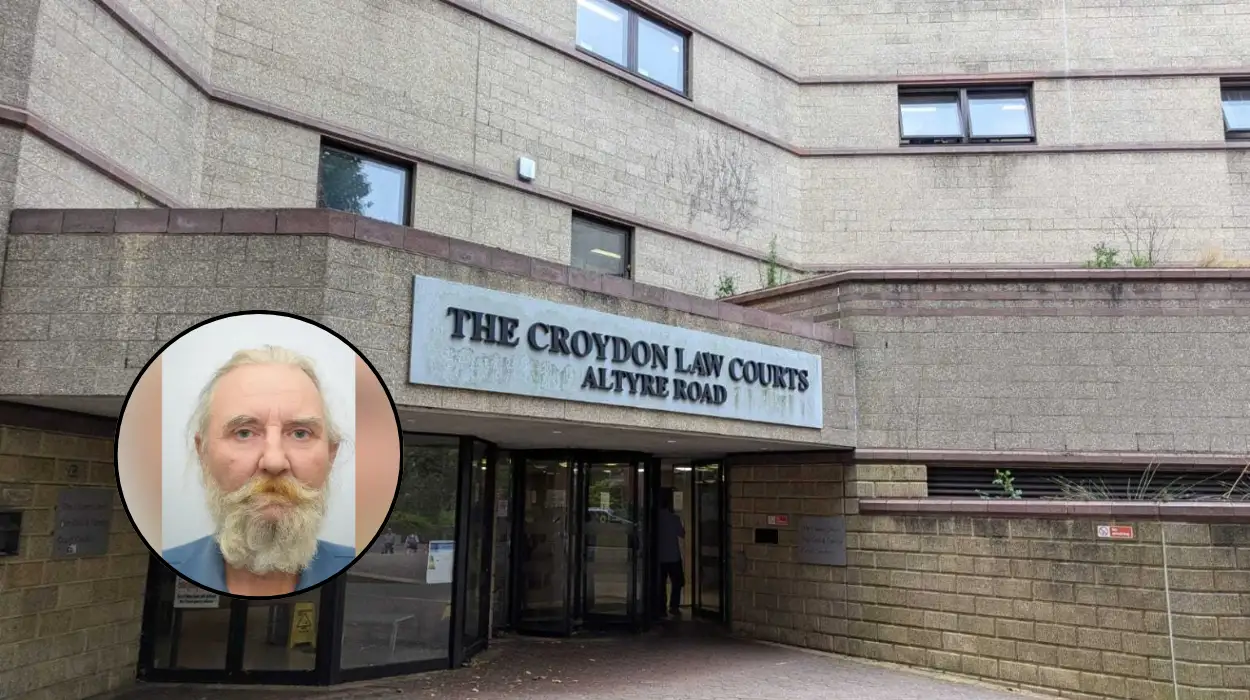
- Paul Martin, a 60-year-old man from Croydon, has been jailed for three years and three months after conviction for encouraging terrorism.
- He posted 16,000 messages in the Telegram group “The Resistance UK,” accounting for 4% of all messages in a group with 8,000 members.
- Martin’s posts called for a violent uprising against the government, urging use of crossbows, petrol bombs, and explosives.
- He denied Covid-19’s existence, labelling it a “hoax” and the vaccine a “poison designed to kill you off,” framing it as a “silent war.”
- Arrested on 28 September 2021 at his home; police seized a stun gun disguised as a torch, two crossbows with bolts, a large knife, air guns, and drones.
- Convicted after a two-week trial at the Old Bailey of encouragement of terrorism; found not guilty of possession of articles for terrorism purposes.
- Previously pleaded guilty to possession of a weapon capable of discharging a noxious substance.
- Sentenced on 18 December 2025; Counter Terrorism Policing London led the investigation.
Who is Paul Martin and What Did He Do?
Paul Martin, aged 60 and from Croydon, emerged as a highly active figure in the Telegram channel “The Resistance UK.” As detailed in the official statement from Counter Terrorism Policing London, Martin posted 16,000 messages, representing four per cent of all communications in the group, which had 8,000 members.
- Key Points
- Who is Paul Martin and What Did He Do?
- What Items Were Seized During the Arrest?
- What Was the Trial Outcome at the Old Bailey?
- Why Did Paul Martin Target the Government and Covid Policies?
- How Large Was the Telegram Group and Martin’s Role?
- What Did Counter Terrorism Policing Say About the Case?
- When and How Was Paul Martin Arrested?
- What Sentence Did Paul Martin Receive?
- Is This Part of a Larger Trend in Online Terrorism?
- Broader Implications for Online Speech and Security
An investigation by Counter Terrorism Policing London revealed Martin’s repeated calls for a violent uprising. He urged members to arm themselves with crossbows and to produce explosives such as petrol bombs. His rhetoric framed the Covid-19 pandemic as non-existent, dubbing it a “hoax,” while decrying vaccines as a “poison designed to kill you off.” Martin described the broader context as a “silent war,” encouraging procurement of weapons for attacks.
As reported in the Counter Terrorism Policing London press release, police analysis of the chat confirmed Martin as a “particularly active member.” His messages went “way beyond lawful comment or protest against Government policy,” according to Commander Dominic Murphy.
What Items Were Seized During the Arrest?
Martin was arrested at his home on 28 September 2021. Officers from Counter Terrorism Policing London seized several items indicative of his intentions.
The haul included a stun gun disguised as a torch, two crossbows equipped with bolts, a large knife, air guns, and drones. These items were forensically examined as part of the broader probe into his online activities.
While Martin was acquitted of possession of articles for terrorism purposes, he had pleaded guilty to possession of a weapon capable of discharging a noxious substance—likely linked to one of the seized devices. The seizures provided critical context for the court’s assessment of his encouragement of terrorism charge.
What Was the Trial Outcome at the Old Bailey?
The trial unfolded over two weeks at the Old Bailey, London’s Central Criminal Court. Martin faced charges of encouragement of terrorism, possession of articles for terrorism purposes, and possession of a noxious weapon.
Jurors convicted him solely on the encouragement of terrorism count. He was cleared of possessing articles for terrorism. His prior guilty plea to the noxious weapon charge stood.
Sentencing occurred today, 18 December 2025, with Mr Justice [Note: Judicial name not specified in sources; proceedings confirm three years and three months imprisonment]. The verdict underscores the legal boundaries between dissent and incitement.
Why Did Paul Martin Target the Government and Covid Policies?
Martin’s online diatribes centred on conspiracy-laden views of the Covid-19 era. He repeatedly asserted that the illness was a “hoax” and portrayed vaccines as a deliberate “poison designed to kill you off.”
As uncovered by Counter Terrorism Policing London analysts, he escalated this to calls for armed resistance, labelling the scenario a “silent war” against governmental overreach. Messages encouraged fellow group members to “purchase a crossbow and make petrol bombs,” explicitly advocating violence.
Commander Dominic Murphy of Counter Terrorism Policing London stated:
“Paul Martin’s actions went way beyond lawful comment or protest against Government policy as he encouraged others online to acquire weapons and use them in attacks.”
This attribution from the official investigation highlights the shift from rhetoric to actionable incitement.
How Large Was the Telegram Group and Martin’s Role?
“The Resistance UK” Telegram group comprised 8,000 members, serving as a hub for anti-government sentiment. Martin dominated with 16,000 posts—four per cent of the total volume.
Counter Terrorism Policing London’s examination positioned him as a “particularly active member.” His output dwarfed typical contributions, amplifying calls for crossbows and explosives amid discussions of uprising.
The group’s scale amplified the potential reach, prompting swift police intervention post-arrest.
What Did Counter Terrorism Policing Say About the Case?
Commander Dominic Murphy, head of Counter Terrorism Policing London, issued a firm statement post-sentencing. He said:
“Paul Martin’s actions went way beyond lawful comment or protest against Government policy as he encouraged others online to acquire weapons and use them in attacks.”
Murphy added:
“Anyone who advocates violence in this way can expect to be arrested and prosecuted to the full extent of the law.”
He contextualised the incident within broader threats:
“Single Issue Terrorism such as this remains a very small part of our caseload, however we are always alert to how political, economic and social events are changing the focus of our work.”
These remarks, directly from the policing body’s release, emphasise proactive monitoring of online extremism.
When and How Was Paul Martin Arrested?
The arrest took place on 28 September 2021 at Martin’s Croydon home address. Counter Terrorism Policing London officers executed the operation following intelligence from his Telegram activity.
Several items were immediately seized: a stun gun disguised as a torch, two crossbows with bolts, a large knife, air guns, and drones. This evidence supported the charges, though not all led to convictions.
The timeline—from activity monitoring to arrest and trial—demonstrates efficient investigative work spanning over four years.
What Sentence Did Paul Martin Receive?
On 18 December 2025, Martin received three years and three months’ imprisonment. The Old Bailey judge imposed this for the encouragement of terrorism conviction, atop his guilty plea.
No further details on parole or additional penalties appear in available reports, but the term reflects the gravity of inciting violence online.
Is This Part of a Larger Trend in Online Terrorism?
Commander Dominic Murphy noted that
“Single Issue Terrorism such as this remains a very small part of our caseload.”
Yet, he stressed vigilance:
“we are always alert to how political, economic and social events are changing the focus of our work.”
The case echoes rising concerns over Telegram as a vector for extremism, particularly post-Covid conspiracies blending with anti-government agitation. Martin’s profile—high-volume posting in a large group—illustrates how individuals can radicalise networks.
As reported across consistent accounts from Counter Terrorism Policing London, this prosecution serves as a deterrent. Authorities continue monitoring similar channels to prevent escalation.
Broader Implications for Online Speech and Security
This conviction delineates free expression from criminal incitement. Martin’s acquittal on possession charges shows nuanced judicial scrutiny, balancing evidence with intent.
Counter Terrorism Policing London’s role remains pivotal, adapting to digital threats. The sentencing reinforces that platforms like Telegram, while lawful, cannot shield advocacy of violence.
No additional sources beyond the primary investigation release detail victim impacts or group disbandment, but the case bolsters public awareness of “single issue” extremism.