- Location: Bexley City School District elementary schools
- Issue: Plans to replace natural grass turf
- Opposition: Strong pushback from concerned parents
- Concerns: Health, environmental, and play safety risks
- Status: Proposal under district review, no decision
Bexley City Schools is thinking about making significant building improvements to all five of its district schools. One of the numerous suggested modifications is the suggestion to install artificial turf in place of grassy play spaces at two elementary schools. Citing health concerns and a loss of green space, more than 350 Bexley residents have signed a petition against artificial grass at Maryland and Montrose elementary schools.
“The decision to take some of our largest green spaces that many of our families have access to should be one that is really considered to be a true community decision and taken really in that way,”
Bexley resident and family physician Connor Burke said.
The district is proceeding with phase one of its facilities plan, but it has made it plain that it cannot complete plans or modifications unless it obtains the $113 million required to proceed. Superintendent Jason Fine suggested at a Board of Education meeting on December 10 that the district put facility improvements on the ballot in November instead of May, as was first suggested.
“I believe we need time to properly inform and educate our entire community,”
Fine said.
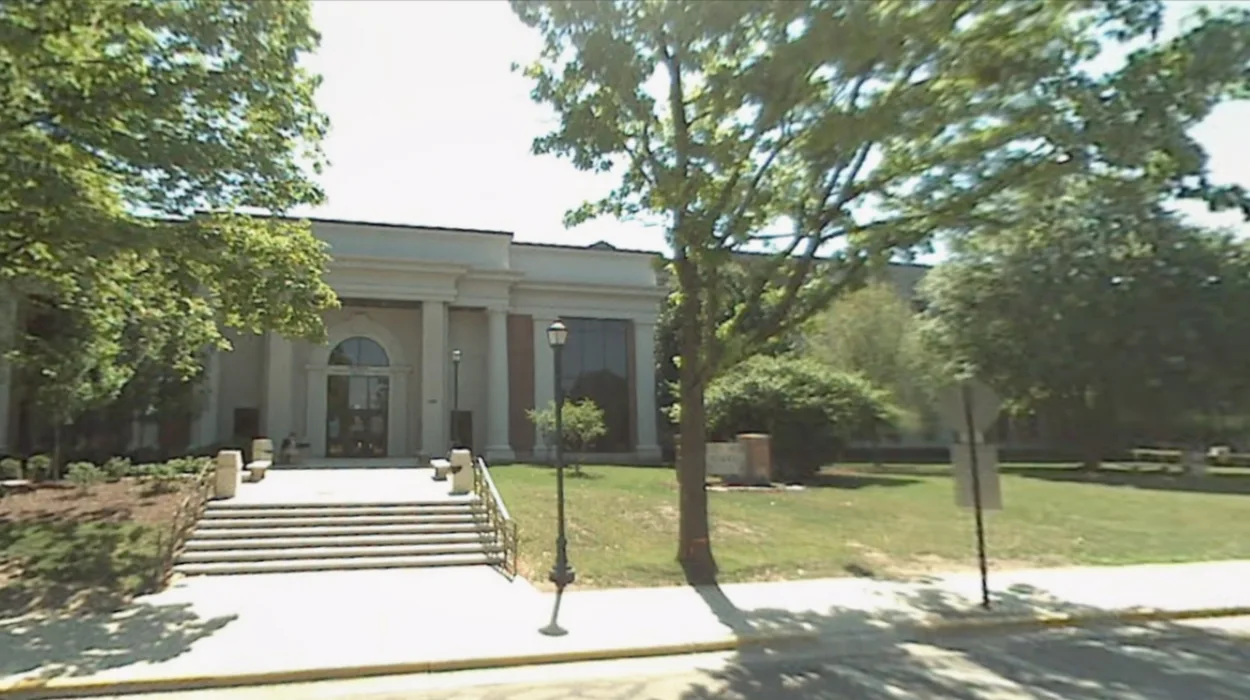
Even though they haven’t been completed, the renovations would involve significant modifications to every district building. Maryland, Montrose, and Cassingham are the three elementary schools located within Bexley City Schools. The Cassingham Complex is a central plot that connects Cassingham Elementary to the district’s middle and high schools.
A new middle school would be constructed at the Cassingham Complex, where elementary children currently enjoy recess, according to existing plans. Given that the Cassingham Field is one of the main green spaces in central Bexley, parents expressed concern that this would limit access to green space. In northern Bexley, the majority of public green areas are close to one another outside of district facilities.
According to Fine, Cassingham children would have access to the high school’s football field and track for outdoor activities and recess if the concept is successful.
Also, the green fields at Montrose and Maryland would be replaced with artificial turf according to the primary designs. further than ten times ago, Cassingham Elementary replaced its lawn with turf, and the high academy has had turf since 2001. According to a representative for Bexley City seminaries, the lawn plan amounts to 4 of the original stage of installation variations.
Parents in Maryland and Montrose expressed concern about implicit pollutants in artificial turf. According to the Washington State Department of Health, the composites used in turf contain poisons known to beget cancer.
A family doctor and mother of three Bexley scholars, Abigail Lowder expressed concern about artificial turf due to implicit pollution and exposure to poisons. Speaking at the board meeting on December 10, she cited research from Europe showing increased toxin risks from turf exposure.
“I spoke to four different sports medicine physician colleagues about it, all four of them had concerns about changing from grass to turf, especially in regards to young children,”
Lowder said.
Joanne Pickrell, vice president of the Board of Education and a member of the Bexley Recreation Board, stated that the city is discussing how to make the most of green areas outside of schools. A new skate park will open in the spring, she said, and the city is making investments in its public green areas.
“The intent behind these potential additions is to make the outdoor areas usable for students on a more regular basis,”
Fine said.
“Our current grass play areas are often wet and muddy, making them inaccessible to students during recess when we don’t have ideal weather conditions.”
Families were reminded by Fine that funding must be secured before they can proceed to the design process. The district encouraged open dialogue and citizen input.
What are the health concerns linked to artificial turf in schools?
Artificial turf in seminaries raises health enterprises primarily from poisonous chemicals in scruple rubber infill( reclaimed tires), extreme heat, and injury pitfalls, especially for children.
Crumb rubber contains carcinogens like benzene and PAHs, PFAS” ever chemicals,” heavy essence similar as lead, and endocrine disruptors that may accumulate via inhalation, ingestion, or skin contact during play; studies link these to cancer, hormone dislocation, neurotoxicity, and experimental issues in kiddies.
Surfaces reach 60- 70 °F hotter than lawn( up to 200 °F), risking heat stress, becks, and dehumidification; turf also causes further scrapes(” turf becks”) prone to MRSA infections, plus advanced knee, ankle, and concussion rates per player- hour.