Key Points
- A significant fire erupted on train tracks near Queen’s Road Peckham railway station in south London, between Queen’s Road Peckham and South Bermondsey stations.
- The incident occurred on the evening of 13 January 2026, with the London Fire Brigade receiving the first of over 90 calls at 20:49, and the blaze under control by 21:30.news.
- Three fire engines and around 15 firefighters from Greenwich, New Cross, and Old Kent Road stations responded to the scene.
- Passengers were safely evacuated from Queen’s Road Peckham station, with no reports of injuries.
- A half-metre section of the railway track was completely destroyed by the fire, located around 200 metres from the end of a platform above railway arches.
- Train services were temporarily stopped in both directions, power to the tracks was isolated for firefighter access, and the station was closed.
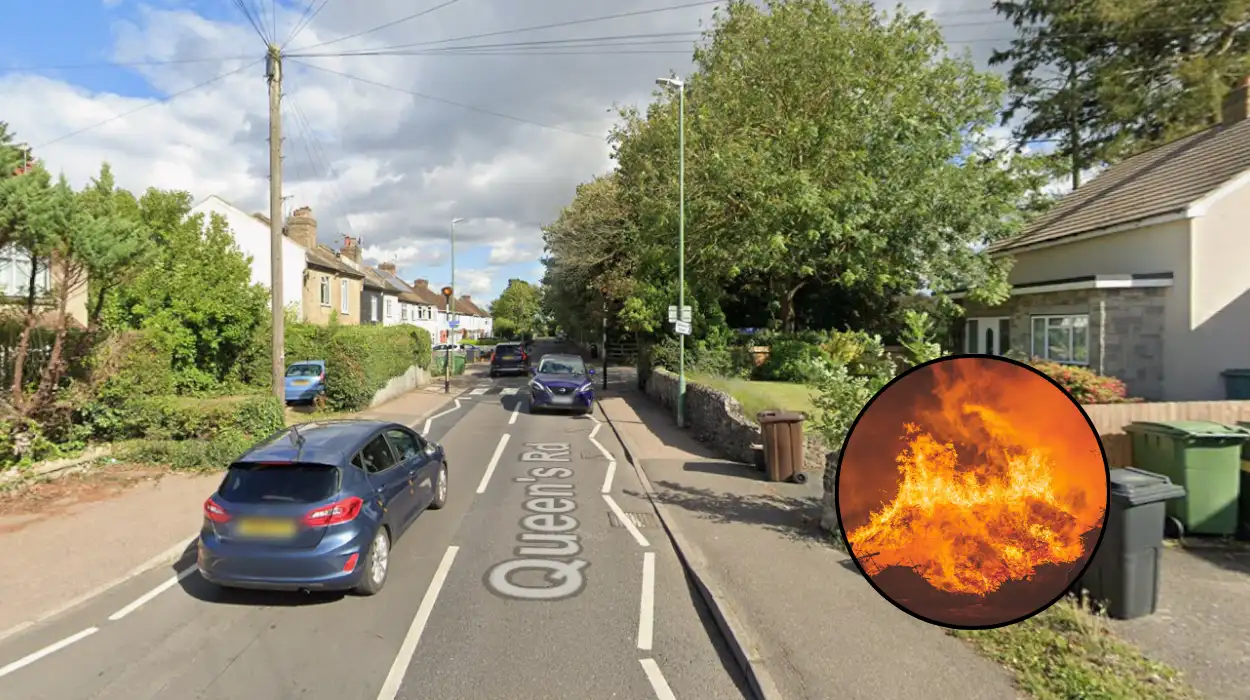
- Thick plumes of black smoke filled the sky, visible for miles, with flames lighting up the night amid rainy conditions; videos and images shared widely online.
- Thameslink stated on X: “Services are currently unable to run through Queens Road Peckham and this station is closed. No trains are unable to go through this station and it may be quicker at this time to use an alternative route to complete your journey.”
- Transport for London (TfL) confirmed a “fire on the track,” noting delays on the Windrush Overground line; services affected include London Overground to Clapham Junction and Dalston Junction via Surrey Quays, and Southern Trains on the South London Line to London Bridge, East Croydon, and Beckenham Junction.news.
- Fire crews checked a business unit in the arches underneath the track to confirm no fire spread.
- National Rail advised: “Services are currently unable to run through Queens Road (Peckham) and this station is closed. Trains are unable to go through this station.”
- Trains between Peckham Rye and Canada Water/London Bridge were halted while emergency services worked.
- By later updates, trains were running as scheduled after firefighters stopped the blaze.
Queens Road Peckham (South London News) 13 January 2026 – A fierce blaze on the train tracks near Queen’s Road Peckham railway station in south London triggered major evacuations, service suspensions, and widespread disruption on 13 January 2026, as emergency services swiftly contained the flames amid chaotic scenes for commuters. Thick black smoke billowed into the rainy night sky, visible for miles, while firefighters battled the fire that destroyed part of the track just before 9 PM. No injuries were reported, but the incident halted rail traffic in both directions and forced the station’s closure.
- Key Points
- What Caused the Fire at Queen’s Road Peckham Station?travelandtourworld+1
- How Did Emergency Services Respond to the Blaze?express+1
- Which Train Services Were Affected by the Disruption?nationalrail+3
- What Impact Did the Fire Have on Passengers?gbnews+2
- When Did Services Resume After the Incident?mirror+1
- Why Is This Incident Significant for London’s Rail Network?travelandtourworld+1
What Caused the Fire at Queen’s Road Peckham Station?travelandtourworld+1
The fire broke out on the train tracks approximately 200 metres from the end of a platform, above railway arches, leading to the complete destruction of a half-metre section of track. As reported by the London Fire Brigade in their incident update, crews accessed a business unit in the arches underneath the track to confirm there was no spread of the fire, suggesting the blaze may have originated nearby but rapidly engulfed the track area. While the exact cause remains under investigation, sources including Travel and Tour World speculated it could stem from an electrical fault or an incident on the tracks due to its proximity to the rail network.
Thick plumes of black smoke and prominent flames were noted across multiple eyewitness accounts and social media footage, exacerbating visibility challenges for responders in the wet weather. The London Fire Brigade’s 999 Control officers received over 90 calls at the height of the incident, highlighting the blaze’s scale and public alarm.
How Did Emergency Services Respond to the Blaze?express+1
Three fire engines and around 15 firefighters were mobilised rapidly, with the first call logged at 20:49 and the fire brought under control by 21:30. Fire crews from Greenwich, New Cross, and Old Kent Road fire stations attended, isolating power on the tracks to gain safe access and tackling flames above the railway arches. As stated by the London Fire Brigade,
“Trains were temporarily stopped in both directions and the power on the tracks was isolated to allow fire crews to gain access to the track.”
The brigade confirmed passengers were evacuated from Queen’s Road Peckham railway station with no injuries reported. Express.co.uk reported that firefighters combated the prominent and easily visible fire, with multiple units deployed between Queen’s Road Peckham and South Bermondsey stations. Mirror Online echoed this, noting three fire engines and 15 firefighters were summoned to address the track fire on the evening of 13 January.
Which Train Services Were Affected by the Disruption?nationalrail+3
Queen’s Road Peckham services London Overground lines to Clapham Junction and Dalston Junction via Surrey Quays, as well as Southern Trains on the South London Line towards London Bridge, East Croydon, and Beckenham Junction. Thameslink posted on X, as cited by Marcus Donaldson of GB News:
“Services are currently unable to run through Queens Road Peckham and this station is closed. No trains are unable to go through this station and it may be quicker at this time to use an alternative route to complete your journey.”
Transport for London confirmed to GB News a “fire on the track,” with delays expected on the Windrush Overground line. National Rail announced services unable to operate through the station, advising alternative routes, while trains between Peckham Rye and Canada Water/London Bridge were halted. Yahoo UK News reported major interruptions to London Overground and Southern services, with the station closure persisting during emergency operations.
What Impact Did the Fire Have on Passengers?gbnews+2
Passengers faced evacuation amid chaos, with station staff guiding people to safety as smoke filled the air. Videos shared online captured flames lighting up the night sky and billowing smoke, creating widespread alarm. No injuries occurred, but the suspension led to cancellations, delays, and alterations, stranding commuters in south London.
GB News highlighted the disruption’s scale, with TfL noting no services running through the station. Travel and Tour World emphasised the safety risk due to the fire’s track proximity, affecting business travellers and tourists reliant on the busy network. National Rail urged checking updates, underscoring the need for backup plans.
When Did Services Resume After the Incident?mirror+1
By later reports, trains were running as scheduled following firefighters’ efforts to stop the blaze. Express.co.uk confirmed the situation developed positively, with rail operations normalising post-containment. Mirror Online’s live updates recapped that services resumed after the track fire was addressed between the stations.
The swift response minimised long-term disruption, though initial halts affected peak evening travel. London Fire Brigade noted crews remained to dampen down, ensuring full safety before full resumption.
Why Is This Incident Significant for London’s Rail Network?travelandtourworld+1
The blaze underscores vulnerabilities in London’s transport infrastructure, particularly high-traffic stations prone to unexpected events. Travel and Tour World described it as a reminder of safety and efficiency needs, with firefighters’ quick action preventing worse outcomes. Eyewitness footage from sources like X users Dan Deacon and John Davowski illustrated the dramatic visual impact.
Ongoing monitoring by rail operators highlights preparedness importance amid urban density. No fire spread to adjacent areas confirmed the response’s effectiveness. This event, visible across south London, prompted over 90 public alerts, reflecting community vigilance.