Key Points
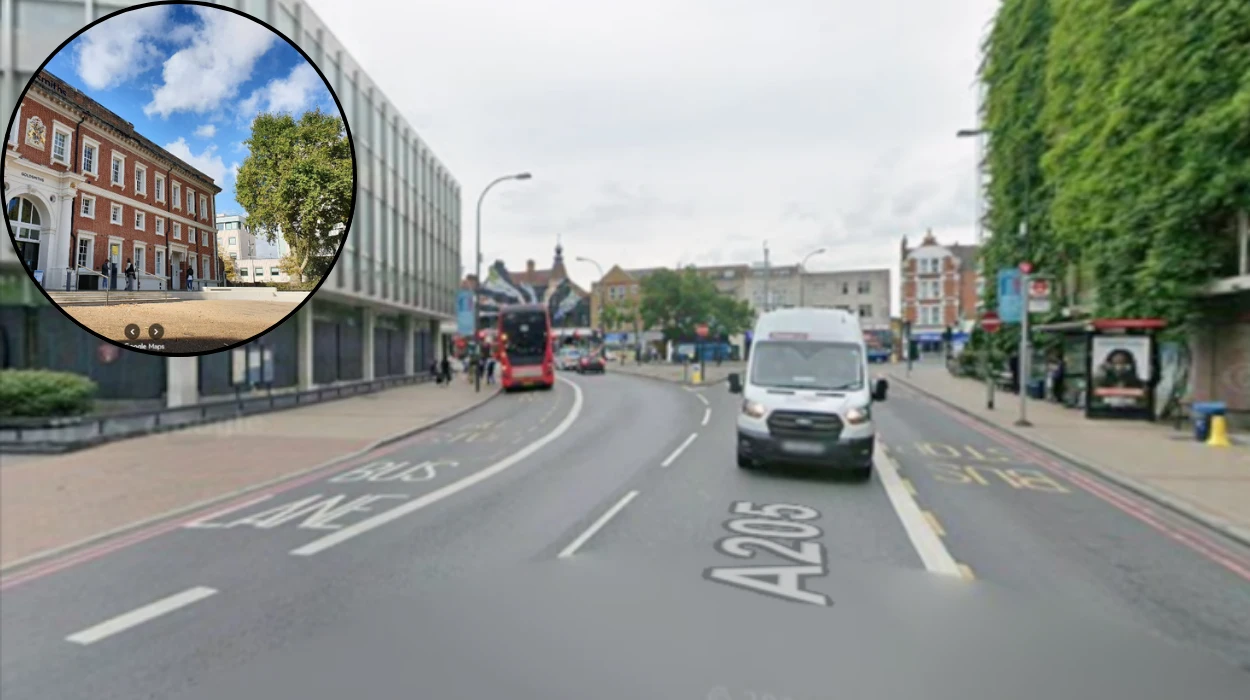
- Goldsmiths, University of London, is set to open a new campus in Catford’s Old Town Hall through a “landmark partnership agreement” with Lewisham Council.
- Fine Art and Design courses will relocate to the site, accommodating over 600 students in Catford’s town centre.
- The university will enter a 10-year lease starting around September 2027, with preparation work beginning later this year.
- Current council staff and services at the Old Town Hall will relocate to alternative sites, including Laurence House.
- Lewisham Mayor Brenda Dacres and her Cabinet are scheduled to formally approve the plans on Wednesday, January 21.
- The move aims to revitalise Catford town centre, boost the local economy, increase footfall, and create business opportunities.
- Goldsmiths seeks to replace its current space at the former Lewisham College site in Deptford, which faces redevelopment and must be vacated by July 2027.
- The university requires approximately 6,000sqm of space for its graduate design and fine arts department, viewing Catford as the only suitable location in the borough.
- This initiative forms part of broader regeneration efforts in Catford, including the recent opening of The Catford House pub at the end of last year.
Catford (MyLondon News) January 16, 2026 – Goldsmiths, University of London, has struck a landmark partnership agreement with Lewisham Council to transform the borough’s Old Town Hall into a new university campus for its Fine Art and Design students. The deal will relocate over 600 students to Catford’s town centre, with the university entering a 10-year lease as preparation works commence later this year. Mayor Brenda Dacres is due to lead Cabinet approval of the plans on January 21, hailing the move as a catalyst for economic revival and creative vibrancy.
- Key Points
- What is the new Goldsmiths campus deal?
- Why did Goldsmiths choose Catford’s Old Town Hall?
- What does Mayor Brenda Dacres say about the partnership?
- How will this impact Catford’s town centre?
- What are the timelines for the Old Town Hall transformation?
- Who are the key players in this Lewisham Council deal?
- Is this part of larger Catford regeneration projects?
- What challenges might arise from relocating council services?
- How does Goldsmiths’ move affect local students and businesses?
- What is the historical context of Catford’s Old Town Hall?
What is the new Goldsmiths campus deal?
The agreement positions Goldsmiths’ graduate design and fine arts department within the historic Old Town Hall, fulfilling the university’s need for roughly 6,000sqm of space over a decade from September 2027. As detailed in coverage from MyLondon, Goldsmiths approached Lewisham Council after identifying the need to vacate its existing facilities at the former Lewisham College site in Deptford, which is slated for redevelopment, requiring exit by July 2027. A Cabinet report, as reported by MyLondon journalists, underscores that Goldsmiths is committed to remaining in the borough and deems Catford the sole viable location meeting its spatial and operational requirements [ from conversation context].
Lewisham Council has confirmed that staff and services presently housed at the Old Town Hall will transition to other venues, such as Laurence House, ensuring continuity of public operations. This relocation forms a core element of the partnership, designed to repurpose the Grade II-listed building without disrupting essential council functions.
Why did Goldsmiths choose Catford’s Old Town Hall?
Goldsmiths identified Catford as optimal due to its capacity to host specialised facilities for fine arts and design programmes, amid pressures from the Deptford site’s impending redevelopment. The university’s proactive outreach to the council, as noted in the Cabinet report cited by MyLondon, reflects a strategic intent to anchor its presence locally rather than seek opportunities elsewhere. This decision aligns with Goldsmiths’ broader expansion needs while leveraging the borough’s infrastructure.
The 10-year lease term provides stability for both parties, allowing Goldsmiths to consolidate its graduate programmes in a dedicated creative hub. Preparation works are slated to start later in 2026, aligning with the July 2027 vacate deadline from Deptford, ensuring seamless transition for students and faculty.
What does Mayor Brenda Dacres say about the partnership?
Mayor of Lewisham Brenda Dacres has enthusiastically endorsed the initiative, describing it as “a powerful example of what long-term partnership can achieve.” As reported by MyLondon, she stated: “Bringing Goldsmiths into the heart of Catford is not just about a new campus – it’s about anchoring creativity, learning and opportunity in our town centre. By working together, we’re creating the conditions for Catford to thrive: supporting local businesses, attracting new visitors, and opening up opportunities for residents to connect with one of the UK’s leading creative universities. This is a major step forward in our vision for Catford as a vibrant place to live, work, study and spend time.”
Dacres, alongside her Cabinet members, will formally ratify the agreement on January 21, marking a pivotal endorsement. Her comments emphasise the symbiotic benefits, positioning the university as a driver for community engagement and cultural enrichment.
How will this impact Catford’s town centre?
Council officials anticipate significant revitalisation for Catford, with over 600 students injecting vitality into the high street through heightened footfall and economic activity. The partnership is projected to foster business growth, drawing visitors and stimulating local commerce in a manner akin to recent developments. This influx supports Lewisham’s regeneration blueprint, enhancing Catford’s appeal as a destination for study, leisure, and enterprise.
The arrival of Goldsmiths builds on momentum from prior investments, including the late-2025 unveiling of The Catford House pub, which has already bolstered the nightlife and social fabric. Together, these efforts signal a concerted push to elevate Catford from peripheral status to a thriving hub within South London.
What are the timelines for the Old Town Hall transformation?
Works to adapt the Old Town Hall commence later in 2026, paving the way for Goldsmiths’ occupancy by September 2027. The 10-year lease secures long-term use, with council relocations to sites like Laurence House executed concurrently to minimise disruption. Formal approval by Mayor Dacres’ Cabinet occurs on January 21, initiating contractual finalisation.
This schedule accommodates Goldsmiths’ exit from Deptford by July 2027, averting any interim gaps in provision for its fine arts cohort. The phased approach underscores meticulous planning, balancing urgency with infrastructural readiness.
Who are the key players in this Lewisham Council deal?
Central figures include Goldsmiths’ leadership, who initiated contact, and Lewisham Council’s executive, spearheaded by Mayor Brenda Dacres. The Cabinet report, as covered by MyLondon, highlights collaborative diligence in site assessment and lease negotiation. No specific Goldsmiths spokespersons are named in available reports, but institutional intent is clear from the partnership’s framing.
Lewisham Council’s commitment extends to service continuity, with Laurence House among relocation destinations. This multi-stakeholder effort exemplifies public-university synergy, prioritising borough retention of educational assets.
Is this part of larger Catford regeneration projects?
Indeed, the Goldsmiths campus integrates into an ongoing rejuvenation wave, following the end-of-2025 launch of The Catford House pub, which has enriched local hospitality. MyLondon’s reporting frames this as sequential progress, amplifying economic and cultural dividends. The council envisions Catford as a multifaceted centre, blending academia, commerce, and recreation.
Broader borough strategies, including Deptford’s redevelopment, indirectly catalyse such initiatives, redirecting resources like Goldsmiths towards underutilised assets like the Old Town Hall. This layered approach promises sustained upliftment.
What challenges might arise from relocating council services?
While council statements affirm smooth transitions to Laurence House and other facilities, logistical complexities in staff and service relocation warrant attention. The Old Town Hall currently hosts operational functions, necessitating precise coordination to avoid public inconvenience. MyLondon notes these moves as integral, with no reported opposition flagged in Cabinet documentation.
Preparation works later this year will test project management, particularly in preserving the building’s heritage status during adaptations for academic use. Nonetheless, the 10-year horizon affords ample buffering.
How does Goldsmiths’ move affect local students and businesses?
Over 600 students will energise Catford, potentially spurring demand for housing, amenities, and services proximate to the campus. Businesses stand to gain from amplified footfall, mirroring patterns observed post-The Catford House opening. Mayor Dacres’ vision, per MyLondon, spotlights resident access to Goldsmiths’ prestige, fostering apprenticeships and collaborations.
Fine Art and Design cohorts bring creative dynamism, likely seeding pop-up events and exhibitions that enrich the townscape. Economic modelling in council reports anticipates measurable upticks in vitality.
What is the historical context of Catford’s Old Town Hall?
The Old Town Hall, a longstanding civic landmark, now pivots to educational purpose, symbolising adaptive reuse in regeneration narratives. MyLondon coverage implies its underutilisation pre-partnership, ripe for such reinvention. This shift preserves heritage while injecting contemporary relevance.
As part of Lewisham’s portfolio, the building’s transformation exemplifies fiscal prudence, monetising assets via lease while advancing public goals. Goldsmiths’ tenancy ensures enduring stewardship.