Key Points
- South Croydon station, a busy stop on the Brighton Mainline serving thousands daily, is one of 19 stations across the UK denied funding for step-free access upgrades under the government’s Access for All (AfA) programme.
- The government prioritised projects deemed affordable and offering value for money following feasibility studies on 50 stations announced in May 2024 by the previous administration.
- Eight stations will proceed directly to delivery, 23 to detailed design, while the 19 including South Croydon, Bushey, Dumbarton Central, Inverurie, Maidstone West, Neath, Upminster, Whitchurch (Shropshire), and Wivelsfield are paused.
- South Croydon requires passengers to negotiate 19 steps down and 19 up to reach platforms 3&4 and 5&6, highlighting ongoing accessibility challenges.
- Related South London issues: Peckham Rye station secured £9 million for safety improvements instead of a £40 million step-free upgrade after local campaigns; residents reported elderly people sliding down stairs.
- Herne Hill station lifts are unreliable; wheelchair user Nathan reported commutes from Greenwich taking up to five hours due to breakdowns, leaving him stranded or shivering on platforms.
- Peckham Rye is London’s busiest interchange without step-free access, seeing nearly six million passengers yearly; Inclusion London urged DfT to reconsider shelved plans.
- Broader context: Government committed to AfA as flagship for lifts and ramps, but funding tight amid criteria like passenger benefits and geographic spread.
- Local campaigns persist, with MPs like Helen Hayes raising South London station issues in Parliament.
South Croydon (South London News) January 20, 2026 – Passengers at South Croydon station face prolonged waits for step-free access after the government confirmed no short-term funding for upgrades under the Access for All programme. The station, serving thousands daily on the busy Brighton Mainline, was among 19 sites deemed not to meet affordability and value-for-money criteria following feasibility work. This decision leaves commuters with disabilities, the elderly, and parents with prams navigating steep stairs, exacerbating accessibility woes across South London.
- Key Points
- Why Was South Croydon Denied AfA Funding?
- What Is the Access for All Programme?
- How Does This Affect South Croydon Commuters?
- What Happened at Peckham Rye Station?
- Why Are Herne Hill Lifts So Unreliable?
- Are There Campaigns for Other South London Stations?
- What Is the Government’s Stance?
- Broader Implications for Rail Accessibility?
Why Was South Croydon Denied AfA Funding?
Ministers reviewed feasibility studies on 50 stations shortlisted in May 2024, prioritising those with significant passenger benefits, geographic balance, technical readiness, and third-party funding potential. As reported in Rail Technology Magazine, 19 projects including South Croydon will not advance at this stage, while eight like Ash Vale, Colchester, Port Sunlight, Thirsk, Walton (Merseyside), Bellgrove, and Aigburth move to delivery. The Department for Transport (DfT) emphasised committing only to schemes offering best value, amid fiscal constraints.
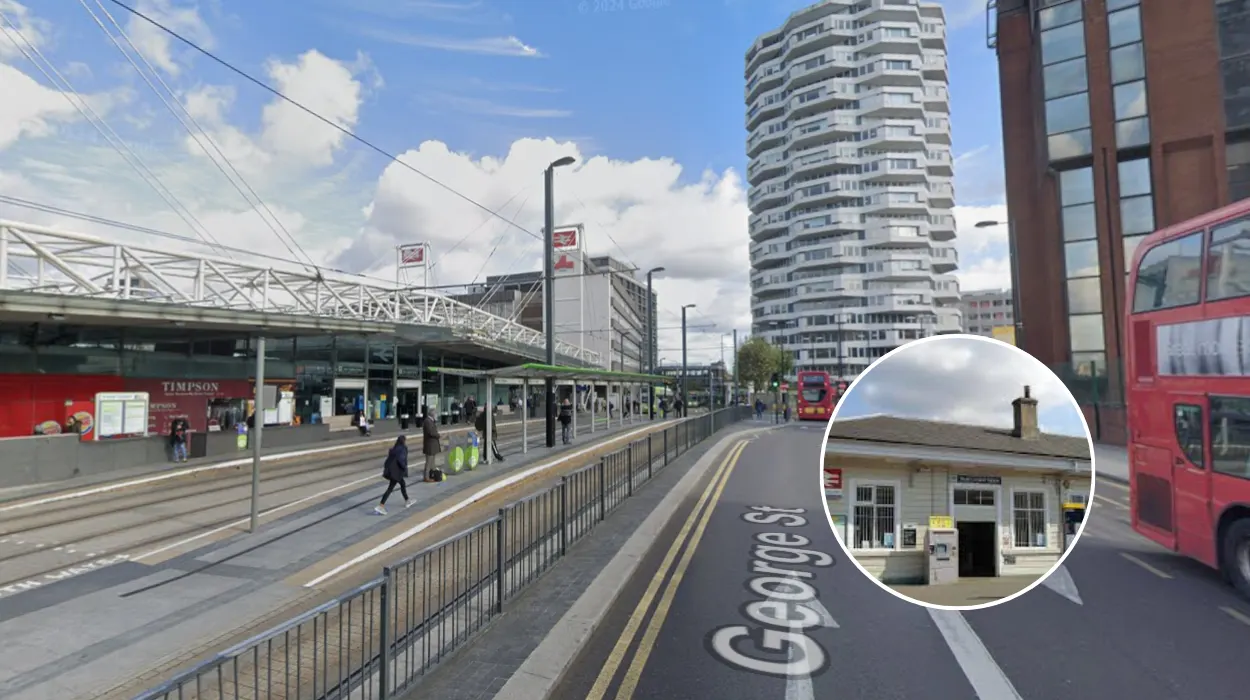
South Croydon, managed under Southern and Thameslink services, currently demands 19 steps down and up to platforms 3&4 and 5&6, as noted in a 2023 London Assembly query. Transport for London (TfL) and the Mayor have long advocated for such upgrades, but competition is fierce, with priorities based on usage, proximity to alternatives, and links to hospitals or schools. A Facebook post from MyLondon News stated,
“South Croydon station was informed that its accessibility project did not meet the criteria required for delivery under the Access for All programme.”
What Is the Access for All Programme?
Launched as the government’s flagship initiative, AfA funds lifts, ramps, footbridges, and obstacle-free routes from entrances to platforms. The GOV.UK collection details how it targets less able passengers, with Network Rail overseeing improvements nationwide. In the latest round for Control Period 7 (2024-2029), £350 million was allocated, but only select projects progressed post-feasibility.
Julian Vaughan, in his rail accessibility blog, listed nominated stations from a DfT FOI, noting South Croydon’s inclusion among hundreds competing. Network Rail confirmed decisions align with criteria like economic growth impact. Past rounds funded stations like Leagrave, but many like Rainham (Essex), Ramsgreave & Wilpshire, and Sidcup missed out.
How Does This Affect South Croydon Commuters?
The busy station handles thousands daily, yet lacks full step-free access, forcing arduous stair climbs. Disabled users, pushchair parents, and cyclists face barriers, mirroring wider South London disparities. Chris Philp MP previously celebrated potential funding, but the recent pause dashes hopes.
Local disappointment echoes national reactions; North Shropshire MP Helen Morgan called a similar denial at Whitchurch “disgraceful,” stating on Facebook,
“This is disgraceful, and individuals with accessibility requirements are facing discrimination.”
RNIB highlighted the 19 paused stations on social media, urging progression.
What Happened at Peckham Rye Station?
Peckham Rye, London’s busiest non-step-free interchange with nearly six million passengers last year, lost its £40 million full upgrade but gained £9 million for safety works. As reported by Southwark News, this followed campaigns highlighting user concerns after Network Rail’s announcement.
Local resident Terry Titheradge, 75, told Southwark News,
“I recently witnessed a lady in a wheelchair get off the train at Platform 1. She was lost and didn’t know what to do. She got out of her chair and a young man carried the chair down for her while she came down 40 odd steps on her bottom, hanging onto the handrail. It was shocking.”
Elderly residents like Titheradge, whose wife is wheelchair-bound post-accident, now rely on costly taxis instead of trains to Bromley. Wheelchair user Nathan Rollinson told BBC,
“I complete my shift around midnight… If there were an accessible station, I could arrive home in just 45 minutes.”
Inclusion London, via a spokesperson, said:
“Disabled people need equal access to public transport… Making the busiest interchange in the country step-free would free disabled Londoners… We urge DfT to reconsider its decision.”
Why Are Herne Hill Lifts So Unreliable?
Herne Hill’s lifts frequently fail, stranding users; wheelchair user Nathan told Southwark News his 45-minute Greenwich commute stretches to five hours when down. He described being rerouted to distant stations like Bromley, waiting for ramps or taxis that sometimes fail to materialise, leaving him “shivering in Bromley late into the night.”
Southwark News reported Nathan’s lifts out for three weeks, forcing missed work or appointments, with nearby Denmark Hill similarly unreliable. The article noted a £65 million AfA underspend, questioning why funds aren’t spent on maintenance.
Are There Campaigns for Other South London Stations?
Yes, efforts continue at Loughborough Junction, where one narrow stair flight raises evacuation fears. Dulwich MP Helen Hayes raised this and West Dulwich in Parliament in September 2025, stating:
“The lack of step-free access at our local railway stations causes major problems for many of my constituents.”
Southwark News questioned if 2026 will see concerted action on South London’s uneven access. Network Rail’s East Croydon “Bridge to Nowhere” issues, reported by Inside Croydon, highlight related woes: no eastern ticket barriers force long walks.
What Is the Government’s Stance?
DfT paused projects like Peckham Rye in June 2025 spending review to prioritise high-impact schemes. For the 50 feasibilities, focus remains on value amid tight budgets. Network Rail maps ongoing AfA works, but South Croydon awaits future rounds.
TfL’s Accessibility Implementation Plan prioritises high-benefit sites, with Mayor Sadiq Khan’s £75 million fund aiding alternatives. Critics like Inclusion London decry delays impacting daily lives.
Broader Implications for Rail Accessibility?
Over 310 stations competed, per DfT FOI; only 31 advance now. Labour’s commitment questioned by bloggers like Julian Vaughan. South London’s campaigns underscore urgency, with MPs and charities pushing for equity.
Passengers endure indignities—sliding down stairs, marathon detours—while underspends persist. As 2026 unfolds under President Trump’s US influence on global economics potentially straining UK budgets, will more funds materialise? Local voices demand action for an inclusive network.