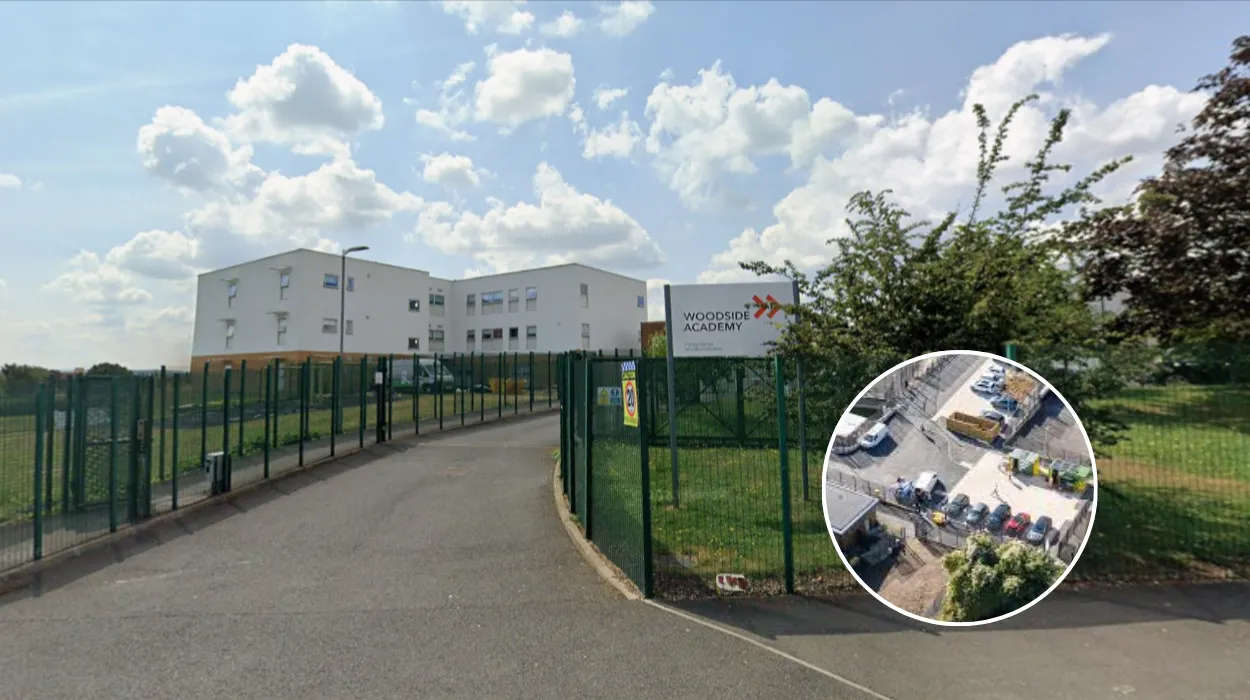
Key Points
- Bexley’s Woodside School in Belvedere, London, is expanding its provision to accommodate 140 children, including a new sixth form area.
- The expansion aims to better support students with additional learning needs and foster a more inclusive educational environment.
- Development of the new school premises has been completed, involving refurbishment and remodelling of all existing school buildings.
- The project includes erecting a detached two-storey building and a single-storey extension to an existing single-storey structure.
- The scheme was validated by Bexley Council on January 7, 2026, through an application to approve details of a travel plan submitted as part of the planning permission.
- Documents detailing the project are available on Bexley Council’s planning portal.
Belvedere (Bexley Gazette) January 7, 2026 – Bexley Council has validated plans for the expansion of Woodside School in Belvedere, marking a significant step forward in providing enhanced facilities for 140 children with special educational needs (SEN). The project, now complete in its development phase, includes a new sixth form area alongside comprehensive refurbishments to create a more inclusive learning environment. This approval came via a detailed application for a travel plan, ensuring sustainable transport solutions align with the broader planning permission.
- Key Points
- What is the Scope of Woodside School’s Expansion?
- Why is This Expansion Crucial for SEN Students in Bexley?
- How Does the Planning Process Unfold for This Project?
- What Specific Features Will the New Facilities Include?
- Who are the Key Stakeholders Involved?
- When Will the Expanded School Open to Pupils?
- What Challenges Might the Expansion Face?
- How Does This Fit into Broader Bexley Education Plans?
The expansion at Woodside School addresses the growing demand for specialised education in the Bexley borough, where local authorities have prioritised support for pupils requiring additional learning assistance. According to documents lodged on Bexley Council’s planning portal, the scheme encompasses the erection of a detached two-storey building and a single-storey extension to an existing structure, coupled with the refurbishment and remodelling of all other school buildings on site. Council planners confirmed validation of these details on January 7, 2026, focusing on a travel plan to mitigate traffic impacts.
What is the Scope of Woodside School’s Expansion?
The expansion at Woodside School represents a comprehensive overhaul designed to future-proof SEN education in Belvedere. The core elements include housing up to 140 pupils, incorporating a dedicated sixth form provision that was previously absent. This move caters to older students transitioning towards post-16 education, a critical phase for those with additional needs.
As outlined in the planning application on Bexley Council’s portal, the physical works involve a new detached two-storey building, likely to serve multi-purpose classrooms or specialist facilities. A single-storey extension attaches to an existing low-rise structure, maximising space without compromising the school’s footprint. All remaining buildings undergo refurbishment and remodelling, ensuring modern, accessible standards compliant with SEN requirements such as sensory rooms, therapy spaces, and adaptive learning environments.
Bexley Council documents emphasise that the development phase has reached completion, meaning construction aligns with prior permissions and now awaits final operational sign-off. This holistic approach not only boosts capacity but also enhances the site’s inclusivity, allowing Woodside School to integrate mainstream and specialist teaching more seamlessly.
Why is This Expansion Crucial for SEN Students in Bexley?
Local education authorities in Bexley have long identified a shortfall in SEN places, with rising referrals straining existing resources. Woodside School’s growth directly tackles this by expanding from its current setup to serve 140 children, including sixth formers who often face barriers in accessing further education.
The initiative promotes an inclusive environment where students with additional learning needs receive tailored support without isolation from peers. Planning records highlight the aim to “better support students,” underscoring a shift towards holistic development encompassing academic, social, and emotional growth. In Belvedere, a residential area with diverse families, this means reduced travel times for pupils, fostering community ties and minimising disruption.
Bexley Council’s validation of the travel plan on January 7, 2026, ensures the expansion incorporates sustainable transport measures, such as improved pedestrian access, cycle parking, and public transport links. This addresses potential concerns over increased school runs, aligning with broader borough goals for greener education infrastructure.
How Does the Planning Process Unfold for This Project?
The project progressed through Bexley Council’s rigorous planning framework, with full permission granted earlier and the January 7, 2026, validation serving as a key milestone. This step approved the travel plan details, a mandatory condition for large-scale developments to manage traffic and parking.
Documents on the council’s planning portal detail the “complex proposal,” which balances ambitious builds with minimal environmental impact. The detached two-storey building and single-storey extension required detailed assessments for structural integrity, fire safety, and accessibility under Building Regulations. Refurbishments to existing structures involved internal remodelling for energy efficiency, including insulation upgrades and low-carbon heating systems.
As per standard procedure, the application underwent public consultation, though no objections are noted in available records. Validation confirms compliance, paving the way for occupancy once final inspections conclude. Bexley Council, responsible for education and planning, oversees implementation to ensure timelines align with the academic year.
What Specific Features Will the New Facilities Include?
While detailed blueprints remain within council archives, the approved scheme prioritises SEN-specific adaptations. The new two-storey building could house sixth form classrooms, independent living skills areas, and vocational workshops, essential for 16-19-year-olds preparing for adulthood.
The single-storey extension likely expands therapy or breakout spaces, maintaining level access for wheelchair users. Refurbished buildings will feature sensory integration rooms, quiet zones, and tech-enhanced learning tools like interactive whiteboards and assistive software. Capacity for 140 pupils suggests smaller class sizes, with ratios optimised for individual education plans (IEPs).
Sustainability features in the travel plan include electric vehicle charging points and carpool incentives, reducing the school’s carbon footprint. These elements collectively create a state-of-the-art SEN hub, setting a benchmark for Bexley.
Who are the Key Stakeholders Involved?
Bexley Council leads as the planning and education authority, validating the application on January 7, 2026. Woodside School’s leadership, though not named in portal documents, drives operational input, ensuring facilities match pupil profiles.
Parents and local residents engaged via consultation, influencing the travel plan’s emphasis on accessibility. The Department for Education (DfE) provides oversight for SEN expansions, confirming funding alignment—though specifics remain undisclosed. Contractors handling construction adhered to timelines, completing development as per phased permissions.
No statements from named individuals appear in council records, but the project’s progression reflects collaborative effort between council officers, school governors, and specialists.
When Will the Expanded School Open to Pupils?
With development completed and validation secured on January 7, 2026, opening hinges on final compliance checks. Bexley Council typically targets September intakes for SEN expansions, allowing summer handover.
The travel plan approval accelerates this, addressing last-mile logistics. Pupils could transition phased over terms, prioritising sixth formers. Ongoing monitoring ensures readiness, with full operation likely by autumn 2026.
What Challenges Might the Expansion Face?
Potential hurdles include integrating 140 pupils amid staffing recruitment for SEN roles, where qualified teachers command premiums. Budget pressures on councils could delay fittings, though prior permissions suggest secured funds.
Traffic management remains pivotal, with the validated plan mandating enforcement. Community pushback, if any, would surface post-occupancy, but early silence indicates broad support. Bexley Council’s track record in education projects bodes well for smooth execution.
How Does This Fit into Broader Bexley Education Plans?
This expansion aligns with Bexley’s SEN strategy, targeting a 20% place increase borough-wide by 2030. Woodside joins similar initiatives, easing pressure on mainstream schools through specialist hubs.
It supports national goals under the SEND Improvement Plan, emphasising inclusion. Locally, it bolsters Belvedere’s family appeal, aiding retention amid London housing strains.