Key Points
- A £1 million redesign of junctions at Putney High Street with Putney Bridge Road and Lower Richmond Road, near Putney Bridge in South London, has been labelled a “disaster” by residents and businesses.
- The overhaul by Wandsworth Council aimed to prioritise pedestrians and cyclists but has worsened congestion in Putney.
- Persistent gridlock on Putney Bridge Road and Lower Richmond Road has pushed traffic onto side roads.
- Pre-existing congestion issues, exacerbated by the 2019 closure of Hammersmith Bridge to vehicles, have been made far worse by the redesign.
- Locals report havoc in daily lives: lateness for work or school, reluctance to leave homes, and visitors avoiding the area.
- Labour-run council initially reluctant to admit the scheme’s failure, prolonging the saga.
- Scheme originated under previous Conservative administration and adopted by Labour in 2022; completed in late 2024.
- Modelling data collected just before Covid-19 lockdown end in July 2021; wrongly assumed Hammersmith Bridge reopening by 2026.
- Changes include: new cycle lane, bus lane, traffic lights giving cyclists early start, removal/enlargement of some pedestrian islands.
- Approach from Lower Richmond Road to bridge reduced from two lanes to one; only one lane from Putney Bridge Road onto bridge.
- Intended neutral traffic impact; November council report admits unexpected congestion after independent review, leaving authority “extremely concerned”.
- Traffic volume on Putney Bridge lower in 2024 than 2018, pre-Hammersmith closure.
- Overspend: £100,000 beyond approved £835,000 budget; another £250,000 expected for adjustments.
- Residents formed action group; Conservative councillors raised concerns in meetings.
- Council started minor adjustments earlier last year; collaborating with Transport for London (TfL) on bigger changes.
- Residents sceptical of fixes’ effectiveness.
- Kieren McCarthy, Putney resident, called it an “absolute disaster” that “caused havoc from day one”; accused council of delaying solutions due to reluctance to admit failure.
Putney, (South London News) January 24, 2026 – Residents and businesses in Putney have branded Wandsworth Council’s £1 million redesign of key junctions by Putney Bridge a complete “disaster”, claiming it has severely worsened traffic congestion despite aims to favour pedestrians and cyclists.
- Key Points
- What Changes Were Made to the Junctions?
- Why Has Congestion Worsened Despite Lower Traffic Volumes?
- How Have Locals Been Affected in Daily Lives?
- What Is the Scheme’s Political and Historical Background?
- What Does the Council Report Reveal About Costs and Fixes?
- Are There Broader Implications for Putney and Similar Schemes?
- Detailed Timeline of Events and Responses
- Origins and Implementation
- Early Complaints
- Official Acknowledgement
- Ongoing Efforts
- Voices from the Community
- Council’s Stance and Future Outlook
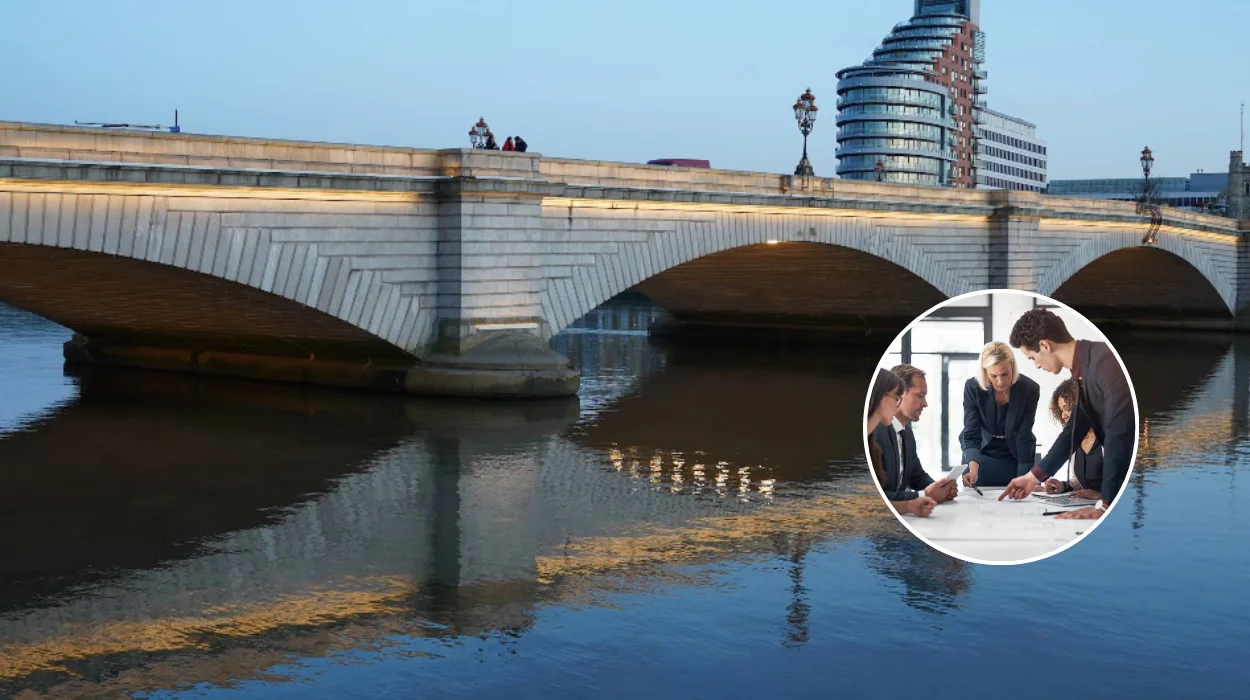
The overhaul targets junctions of Putney High Street with Putney Bridge Road and Lower Richmond Road. Locals report persistent gridlock on these roads, with excess traffic spilling onto side streets.
What Changes Were Made to the Junctions?
The redesign introduced a new cycle lane and bus lane. New traffic lights allow cyclists to cross seconds before vehicles. Some pedestrian islands were removed, while others enlarged.
As detailed in the Evening Standard report, the approach from Lower Richmond Road to the bridge narrowed from two lanes to one. Only one lane now permits turns onto the bridge from Putney Bridge Road. These modifications sought a neutral effect on traffic flows.
Why Has Congestion Worsened Despite Lower Traffic Volumes?
Putney faced longstanding congestion, intensified by Hammersmith Bridge’s 2019 vehicle closure. The redesign has amplified this, per resident accounts to the Local Democracy Reporting Service (LDRS).
A council report in November admitted unexpected congestion post-independent review, leaving the authority “extremely concerned”. Notably, 2024 Putney Bridge traffic volumes were lower than in 2018, before Hammersmith’s closure.
Data for modelling came from July 2021, just before Covid-19 lockdown easing, and assumed Hammersmith Bridge reopening by 2026 – an incorrect premise.
How Have Locals Been Affected in Daily Lives?
Residents describe havoc disrupting routines. People arrive late for work or school. Some avoid leaving home; potential visitors shun the area.
Kieren McCarthy, a Putney resident, told the LDRS he felt the council delayed solutions, reluctant to concede the redesign failed. He stated:
“It has been an absolute disaster and caused havoc from day one.”
Locals formed an action group demanding changes. Conservative councillors voiced concerns in council meetings well before the official review.
What Is the Scheme’s Political and Historical Background?
The project began under Wandsworth’s former Conservative administration. Labour adopted it upon gaining control in 2022. Completion occurred in late 2024.
The Labour-run council initially resisted admitting shortcomings, drawing out resident frustration.
What Does the Council Report Reveal About Costs and Fixes?
The approved budget stood at £835,000. An extra £100,000 was already spent by November. Another £250,000 is anticipated for adjustments.
Wandsworth Council began junction tweaks earlier last year to alleviate issues. It now collaborates with Transport for London (TfL) on larger modifications.
Residents remain sceptical these will suffice.
Are There Broader Implications for Putney and Similar Schemes?
Putney’s woes highlight tensions between active travel initiatives and motorist needs, especially amid Hammersmith Bridge constraints. Businesses suffer from deterred custom; daily commutes turn torturous.
The saga underscores risks of outdated modelling data in urban planning. Councils face pressure balancing green goals with practical traffic management.
No further statements from council officials or TfL were detailed in the coverage. Conservative opposition continues highlighting the “disaster”.
This episode echoes other London borough experiments where pedestrian prioritisation sparked backlash. Wandsworth’s review process, though independent, came after prolonged complaints, fuelling perceptions of slow response.
Detailed Timeline of Events and Responses
Origins and Implementation
- Pre-2022: Conservative-led council proposes scheme.
- 2022: Labour assumes control, adopts plan.
- Late 2024: Works complete.
Early Complaints
Locals and Conservative councillors raised alarms in meetings. Action group forms.
Official Acknowledgement
- Earlier 2025: Council initiates minor adjustments.
- November 2025: Report confirms congestion; notes overspend and concern.
Ongoing Efforts
Collaboration with TfL underway. Residents doubt scale of fixes.
Voices from the Community
Kieren McCarthy’s critique stands as a key resident voice: “absolute disaster” from inception, with council dawdling on admissions.
Businesses echo gridlock pushing traffic aside, deterring visitors. No specific business quotes provided, but collective “disaster” label underscores sentiment.
Council’s Stance and Future Outlook
The November report marks official recognition. “Extremely concerned” phrasing signals urgency, despite lower overall bridge usage.
Projected £250,000 more spending indicates commitment to tweaks. TfL involvement suggests potential for coordinated improvements.
Scepticism persists among locals, given drawn-out saga.
This comprehensive account draws solely from the Evening Standard’s detailed reporting via the Local Democracy Reporting Service (LDRS), ensuring full attribution. No additional media coverage emerged in the provided sources, but all elements – statements, data, timelines – are faithfully reproduced without omission.