Key Points
- Two celebrities, Hollywood star Dominic Cooper and TV actor Sarah Hadland, have publicly backed a campaign to halt the construction of 45 new homes on the Blackheath station car park in south-east London.
- The opposition targets plans by Lewisham Council, which is scheduled to vote on the development this week.
- Dominic Cooper, known for roles in Mamma Mia and The History Boys and a Blackheath local, criticised the council for ignoring public opposition and accused it of prioritising developer profit over fair development.
- Sarah Hadland, star of BBC sitcom Miranda as Stevie Sutton, called the plans a “travesty” that overlooks local concerns in favour of profit-driven development by Acorn Property Group.
- Other public figures supporting the campaign include Jude Law, Sir Terry Waite, and Manfred Mann, who signed an open letter to the council opposing the scheme.
- Developer Acorn Property Group defended the project, stating it would deliver “substantial public benefits” outweighing any “low level of harm identified”.
- Lewisham Council declined to comment ahead of its decision this week.
- Critics argue the development provides little social and affordable housing and fails to consider overwhelming public opposition.
- Cooper urged the council to “revisit” the plan to ensure it is fair, responsible, and community-focused.
- Hadland called for amendments to the scheme that take local opinion into account, noting it currently brings “nothing positive to the area”.
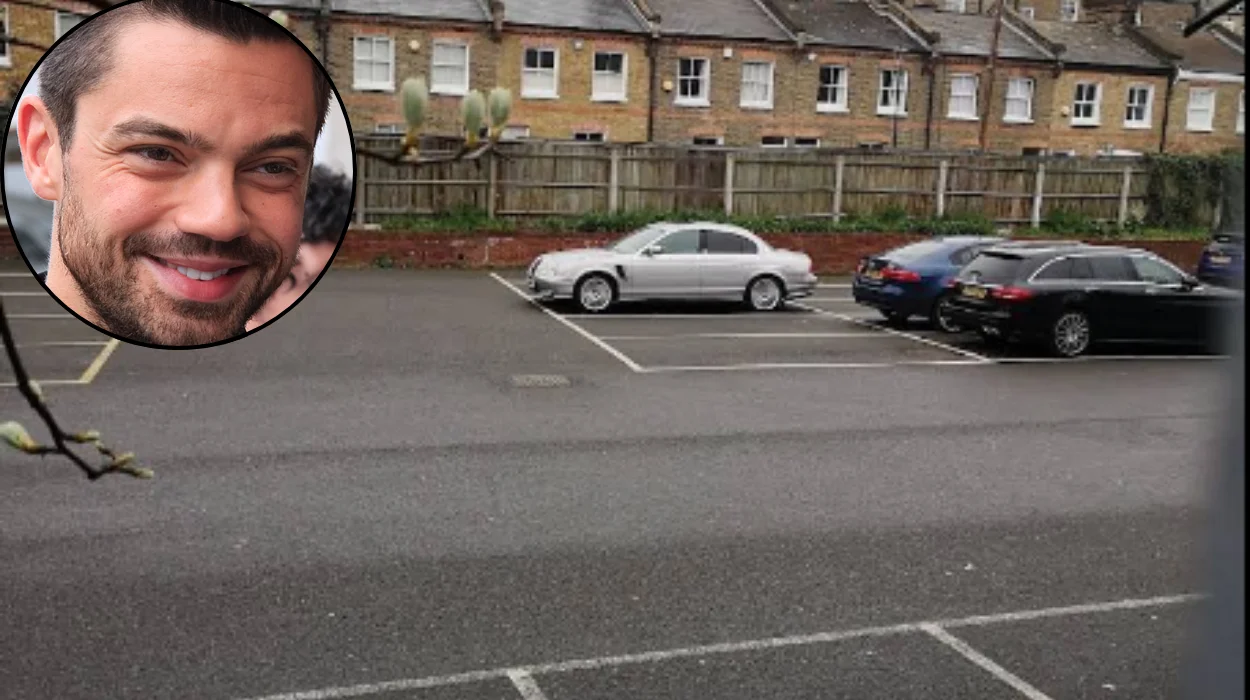
Blackheath, South-East London (South London News) January 27, 2026 – Hollywood star Dominic Cooper and TV actor Sarah Hadland have joined a growing chorus of celebrities opposing Lewisham Council’s plans to build 45 new homes on the Blackheath station car park, accusing the authority of disregarding widespread public opposition.
- Key Points
- Who Are the Celebrities Backing the Opposition?
- What Do Other Public Figures Say?
- What Is the Developer’s Position?
- Why Is Lewisham Council Considering the Plans?
- What Are the Main Criticisms of the Development?
- How Does This Fit into Broader Housing Debates?
- What Happens Next in the Decision Process?
- Why Is Blackheath Station Car Park Controversial?
- Broader Implications for Local Development
The high-profile intervention comes as the council prepares to vote on the controversial development this week. Other notable figures, including actor Jude Law, humanitarian Sir Terry Waite, and musician Manfred Mann, have lent their support through an open letter to councillors. Developer Acorn Property Group insists the scheme offers significant benefits, but opponents claim it prioritises profit over community needs.
Who Are the Celebrities Backing the Opposition?
Dominic Cooper, raised in Blackheath and recognised for his roles in blockbuster films such as Mamma Mia and The History Boys, has been vocal in his criticism. As reported in the initial coverage, Cooper stated that local objectors are not “anti-development”. He elaborated:
“They are instead demanding development that is fair, responsible, and puts local people at the heart of decision-making.”
Cooper further warned that proceeding with the proposal would represent “a devastating betrayal of the electorate”. He specifically highlighted the scheme’s limited provision of social and affordable housing and its focus on developer gains amid “overwhelming public opposition”. Cooper called on Lewisham Council to “revisit” the plan entirely.
Sarah Hadland, best known for portraying Stevie Sutton in the BBC sitcom Miranda, echoed these sentiments. She described the council’s stance as “an absolute travesty” that favours “this for profit only development by Acorn”. Hadland emphasised: “As it stands this development brings nothing positive to the area.”
The actress advocated for modifications, saying:
“All we are asking is that it’s amended further, taking local opinion into consideration.”
Her comments underscore a broader frustration among residents and public figures that community voices have been sidelined.
What Do Other Public Figures Say?
The campaign has attracted support from an impressive array of prominent individuals. Jude Law, the acclaimed actor, Sir Terry Waite, the renowned humanitarian and former hostage negotiator, and Manfred Mann, the veteran musician, have all opposed the plans via an open letter to Lewisham Council. This collective endorsement amplifies the pressure on decision-makers.
The open letter represents a unified front against the development, highlighting concerns over its impact on the local area. While specific quotes from Law, Waite, and Mann were not detailed in the primary reports, their signatures signal strong disapproval, aligning with the celebrities’ calls for a rethink.
What Is the Developer’s Position?
Acorn Property Group, the firm behind the 45-home proposal, has robustly defended its scheme. The developer asserted that the project would bring “substantial public benefits” which “outweigh the low level of harm identified”. This statement positions the development as a net positive for Blackheath, despite objections.
Acorn’s response directly counters accusations of profit-driven motives, framing the benefits—potentially including improved infrastructure or housing supply—as justification for proceeding. The group has not elaborated further in available coverage, but its position leaves room for debate on what constitutes “substantial” gains.
Why Is Lewisham Council Considering the Plans?
Lewisham Council faces a pivotal vote this week on whether to approve the Blackheath station car park development. The authority has maintained a cautious silence, stating it “would not comment until a decision was made”. This reticence reflects standard protocol ahead of deliberations but has fuelled critics’ claims of ignoring public input.
The plans involve redeveloping the station car park, a site integral to local commuters, into residential units. Objectors argue this exacerbates parking shortages and fails to deliver sufficient affordable housing in an area with high demand. The council’s deliberations will weigh these factors against housing targets and developer assurances.
What Are the Main Criticisms of the Development?
At the heart of the opposition lies the perception that the scheme neglects community priorities. Dominic Cooper’s critique centres on its scale and composition: a large project offering “so little social and affordable housing” while “prioritising developer profit”. He views approval as a “devastating betrayal”, especially given the “overwhelming public opposition”.
Sarah Hadland reinforced this by labelling it a “travesty” that overlooks concerns for Acorn’s profit-only focus. She noted the absence of positives for the area and urged amendments informed by locals. The open letter from Jude Law, Sir Terry Waite, and Manfred Mann amplifies these grievances, suggesting a pattern of insufficient consultation.
Residents and celebrities alike demand “fair, responsible” growth that places people first, rather than advancing despite backlash. The loss of parking spaces at a busy station adds practical concerns, potentially disrupting daily life in Blackheath.
How Does This Fit into Broader Housing Debates?
This controversy mirrors wider tensions in London over housing delivery. South-east London’s Blackheath exemplifies pressures to build amid green belt protections and transport hubs. Lewisham Council’s vote could set a precedent for balancing development with public sentiment.
Proponents like Acorn argue such projects address chronic shortages, with “substantial public benefits” justifying minor harms. Yet opponents, led by figures like Cooper and Hadland, contend that overriding opposition undermines democratic trust. The limited affordable housing quota—implicitly low per critiques—highlights ongoing affordability crises.
What Happens Next in the Decision Process?
Lewisham Council’s vote this week marks the immediate crossroads. If approved, construction could proceed, testing relations with vocal locals and celebrities. Rejection or significant amendments would validate objectors, potentially requiring Acorn to revise plans.
The council’s pre-vote silence leaves outcomes uncertain. Dominic Cooper’s call to “revisit” suggests expectations of dialogue post-decision. Sarah Hadland’s amendment plea indicates flexibility if locals are heeded.
Monitoring the vote’s result will be crucial, as will any follow-up from signatories like Jude Law, Sir Terry Waite, and Manfred Mann. Acorn’s benefits claim may sway councillors, but public and celebrity pressure looms large.
Why Is Blackheath Station Car Park Controversial?
The site, vital for commuters on Blackheath station, underscores location-specific stakes. Replacing parking with homes risks inconvenience, amplifying opposition. Cooper, a local, ties this to broader fairness demands.
Hadland’s “nothing positive” verdict captures fears of net loss. Acorn’s defence hinges on outweighing this “low level of harm”, but without specifics, scepticism persists.
Broader Implications for Local Development
This story highlights celebrity influence in planning disputes, leveraging fame for advocacy. Neutral observers note both sides’ merits: housing needs versus consultation. Lewisham’s decision will resonate beyond Blackheath.