Key Points
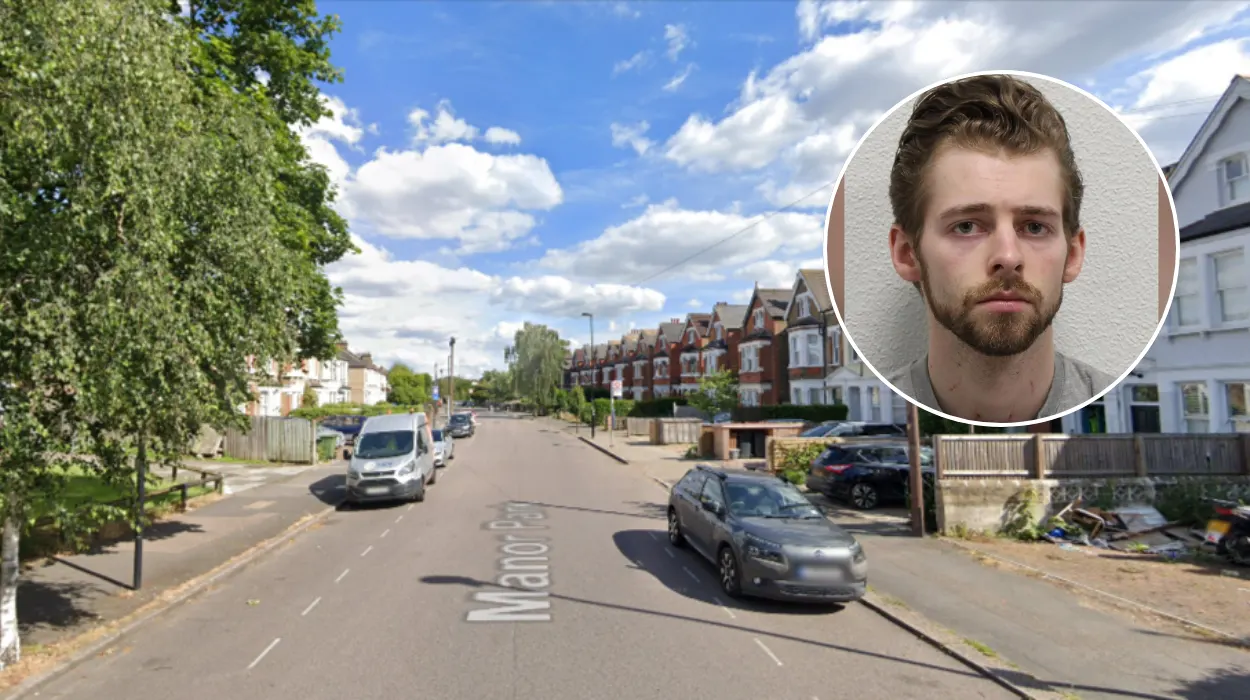
- An American student, 26-year-old Joshua Michals, has been jailed for life with a minimum term of 16 years for murdering fellow Goldsmiths, University of London student Zhe Wang, 31, at her flat in Manor Park, Lewisham, south-east London, in March 2024.
- The sentencing took place at London’s Old Bailey on Friday, where Michals was handed a life sentence after being found guilty of murder by a jury in December 2025.
- Ms Wang, a Chinese national and creative writing master’s student at Goldsmiths, suffered two stab wounds to the face and had also been strangled, with a post-mortem confirming sustained compression to her neck.
- Prosecutor Henrietta Paget KC told the Old Bailey that Michals had “flown into a rage” and killed Ms Wang after going to her flat on 20 March 2024, following tension over sexually transmitted disease (STD) concerns.
- The court heard that both were on one‑year master’s degrees at Goldsmiths and had been in a casual, on‑and‑off sexual relationship since meeting on campus in 2023.
- Jurors were told Ms Wang, whom Michals described as “germophobic”, repeatedly urged him via messages to be tested for STDs after noticing a “red dot” on her skin following sex in February 2024.
- According to evidence cited in court, Michals did not have a sexually transmitted disease, but the issue became a major point of conflict between them.
- On 20 March 2024, Michals went to Ms Wang’s flat with a charcuterie selection, which he said was an attempt to bring “normalcy” to what he called a “bizarre situation”.
- As reported by Brian St Louis KC, defending, Michals claimed at trial that Ms Wang attacked him with a knife in her flat and that he acted in self-defence, saying he “did not mean to stab” her and only wanted to “get away”.
- The prosecution alleged that, instead, Michals lost his temper over the STD dispute and inflicted two forceful knife wounds to Ms Wang’s face, along with compressing her neck.
- Police were called after an emergency services call and officers discovered Ms Wang lying in her bedroom in a pool of blood with the two facial stab wounds and signs of neck compression.
- As detailed by the Metropolitan Police, officers later arrested Michals at his home in Deals Gateway, south‑east London, and seized bloodstained clothing which DNA testing confirmed matched Ms Wang.
- During police interviews, Michals gave no comment to questions about his relationship with Ms Wang or what happened the night she died, despite having earlier called 999 to report the incident.
- Examination of Michals’ phone by detectives revealed extensive message exchanges showing Ms Wang repeatedly pressing him for STD tests and expressing concerns about his sexual history.
- At trial, the jury heard that both students had arrived in London the previous autumn to begin their postgraduate studies, with Michals having previously studied film‑making in the United States before enrolling at Goldsmiths.
- As reported by BBC News, Goldsmiths described Ms Wang as a “remarkable student” with “profound intellectual curiosity” and expressed deep sorrow at her death.
- Sentencing, Judge Richard Marks KC told Michals that he believed the defendant had become “enraged by the entire situation” and, in a “fit of fury”, lost control of his temper and senses when he attacked Ms Wang.
- Judge Marks said the second stab wound to Ms Wang’s face demonstrated the use of “severe force”, and that the volume of bloodshed eventually brought Michals back to his senses.
- According to reports by Euronews and the Evening Standard, Judge Marks imposed a life sentence with a minimum term of 16 years before parole can be considered, but stressed that Michals may remain in custody longer if he is deemed to pose a risk.
- Detective Inspector Claire Guiver of the Metropolitan Police welcomed the conviction and sentence, calling it a “brutal and savage attack” on a “quiet and gentle” woman, and said officers’ commitment to tackling violence against women and girls “is unwavering”.
- Ms Wang’s family, in statements read to the court, spoke of their devastation at losing a daughter who had travelled to the UK to further her studies and who had been excited about her academic future.
Lewisham (South London News) January 31, 2026 – A US student at a London university has been jailed for life with a minimum term of 16 years for murdering his fellow Goldsmiths student and on‑and‑off girlfriend Zhe Wang, who was stabbed and strangled at her south‑east London flat in March 2024, after a tumultuous dispute over sexually transmitted disease concerns culminated in what a judge described as a “fit of fury”.
- Key Points
- How did the relationship between Joshua Michals and Zhe Wang begin?
- What role did STD concerns and messages play in the case?
- What happened on the day of the killing in Lewisham?
- What did the prosecution and defence argue at the Old Bailey?
- What did the forensic and police investigations reveal?
- How did the jury reach its verdict and what sentence was imposed?
- What did the judge say about Michals’ actions and remorse?
- How did police and Goldsmiths University respond?
- What has been said about the wider impact of the case?
How did the relationship between Joshua Michals and Zhe Wang begin?
As reported by BBC News and confirmed in Metropolitan Police statements, both Joshua Michals, 26, and Zhe Wang, 31, were enrolled on one‑year master’s programmes at Goldsmiths, University of London, having arrived in the UK in 2023. Ms Wang, originally from China, studied creative writing, while Michals, from Chicago, Illinois, had previously completed film‑making studies in the United States before moving to London for postgraduate education.
According to coverage by BBC News and ITV News London, the pair met shortly after starting their courses on the Goldsmiths campus and entered into a casual, on‑and‑off sexual relationship in 2023. Detectives later recovered their full messaging history from Michals’ phone, which showed the relationship developing against the backdrop of Ms Wang’s anxiety about germs and contamination, something he would later describe as “germophobic”.
What role did STD concerns and messages play in the case?
As detailed by prosecutor Henrietta Paget KC and summarised by BBC News, ITV News London and the Metropolitan Police, tensions escalated sharply in early 2024 when Ms Wang noticed a “red dot” on her skin following sex with Michals in February. According to those reports, she repeatedly demanded that he undergo testing for sexually transmitted diseases, fearing possible infection and seeking reassurance about his sexual history.
The Metropolitan Police statement notes that officers, in reviewing the chat history on Michals’ phone, found numerous messages in which Ms Wang urged him over several months to be tested for STDs. As reported by BBC News and the Evening Standard, jurors were told that, despite the intensity of the dispute, medical evidence indicated that Michals “never had a sexually transmitted disease”, making the row a matter of suspicion and mistrust rather than confirmed infection.
What happened on the day of the killing in Lewisham?
According to BBC News, Euronews and ITV News London, Michals went to Ms Wang’s flat in Manor Park, Lewisham, on 20 March 2024, bringing with him a charcuterie selection he said was meant to restore a sense of “normalcy” to what he described as a “bizarre situation”. The visit took place against the background of their faltering relationship and unresolved arguments about sexually transmitted infections.
As set out in the prosecution case, summarised by BBC News and the Evening Standard, it was inside that flat that the encounter turned deadly. Ms Wang was later found in her bedroom with two stab wounds to the face and evidence of strangulation, following what the prosecution alleged was a sustained assault by Michals after he “flew into a rage”.
What did the prosecution and defence argue at the Old Bailey?
As reported by Henrietta Paget KC through BBC News and echoed in police and press accounts, the Crown’s case was that Michals became enraged by the ongoing STD dispute and killed Ms Wang in anger, rather than in any form of self-defence. Prosecutors argued that the location and nature of the injuries – two powerful knife wounds to the face and compression of the neck – pointed to a deliberate, violent attack inconsistent with an attempt merely to ward off an aggressor.
In contrast, as reported by BBC News and Euronews, defence counsel Brian St Louis KC told the Old Bailey that Ms Wang had attacked Michals first with a knife at her flat, and that he acted in self-defence in the course of a struggle. During his evidence, Michals said he “did not mean to stab” Ms Wang and claimed he only wanted to “get away”, describing how, at one point, he pressed his forearm against her neck in an effort to subdue her.
What did the forensic and police investigations reveal?
The Metropolitan Police statement records that officers were called to Ms Wang’s address in Manor Park, Lewisham, where they discovered her with two stab wounds to the face and what a post-mortem would later confirm as sustained neck compression. A subsequent autopsy, cited by BBC News and Euronews, confirmed that she had been strangled in addition to suffering the facial knife wounds.
Police arrested Michals later that evening at his home in Deals Gateway, south‑east London. According to the Met’s account, officers recovered bloodstained clothing from his property, which forensic analysis showed carried Ms Wang’s DNA. Investigators also mined the digital trail on his phone, uncovering the extensive message history with Ms Wang that highlighted her repeated requests for STI testing and the deteriorating trust between them.
How did the jury reach its verdict and what sentence was imposed?
As reported by BBC News, ITV News London and the Evening Standard, the jury at the Old Bailey found Michals guilty of murder in December 2025 after hearing both the prosecution’s account of a rage‑fuelled killing and the defence’s version of a desperate struggle. Following the conviction, sentencing was adjourned to a later date to allow for the preparation of reports.
On Friday, at the same court, Judge Richard Marks KC sentenced Michals to life imprisonment with a minimum term of 16 years before he can be considered for parole, as detailed by Euronews, BBC News and the Evening Standard. The judge made clear that the 16‑year tariff represents the minimum time to be served and that the Parole Board will only release him if it is satisfied he no longer poses a risk to the public.
What did the judge say about Michals’ actions and remorse?
As recounted by BBC News and the Evening Standard, Judge Marks told Michals that his conclusion was that the defendant had been “enraged by the entire situation” and that, “in a fit of fury”, he lost control of his temper and his senses when he attacked Ms Wang. The judge emphasised that the second knife wound to Ms Wang’s face demonstrated “a use of severe force”, underscoring the brutality of the assault.
According to those reports, Judge Marks observed that the “profusion of bleeding” eventually brought Michals back to his senses, prompting his later call for help. As cited by BBC News, the judge also noted that any expression of regret by Michals came “extremely late” and had not been evident during the trial itself, raising questions over the depth and timing of his remorse.
How did police and Goldsmiths University respond?
As stated by Detective Inspector Claire Guiver in the Metropolitan Police’s public statement, Michals “carried out a brutal and savage attack on Zhe, who was described by her friends as a quiet and gentle woman enjoying her studies in London”. DI Guiver added that officers’
“thoughts continue to remain with her family and friends, both in China and the UK”,
and stressed that the Met’s commitment to tackling violence against women and girls “is unwavering” as it works to make London safer.
In an earlier statement reported by BBC News, Goldsmiths University described Ms Wang as a “remarkable student” with “profound intellectual curiosity”, expressing sorrow at her death and highlighting the impact of her loss on the university community. Coverage by Euronews and UK outlets noted that Ms Wang’s relatives, in statements to the court, spoke of their devastation and of how she had travelled to Britain full of hope for her academic and personal future.
What has been said about the wider impact of the case?
Outlets including Euronews, ITV News London and the Evening Standard have underlined that the case has resonated beyond Goldsmiths, touching on concerns about violence against women, the experiences of international students, and the dynamics of intimate relationships marked by coercive or obsessive behaviour. The Met’s explicit reference to its broader strategy on violence against women and girls situates Ms Wang’s murder within a wider context of efforts to reduce serious harm and improve protections.
Reporting by BBC News and others indicates that the case has also prompted reflection among students and staff about support services, relationship safety and mental health, though institutional reviews and policy responses are still evolving. For Ms Wang’s family, friends and colleagues, however, the focus at the Old Bailey remained on the irreplaceable loss of a talented writer and the long prison term now facing the man who took her life.