Key Points
- Croydon Council states that sewage pollution in South Norwood Country Park will not impact plans to introduce Eurasian beavers into the park’s lake.
- Sewage misconnections from nearby homes are causing waste to discharge directly into Chaffinch Brook, bypassing sewers and treatment works.
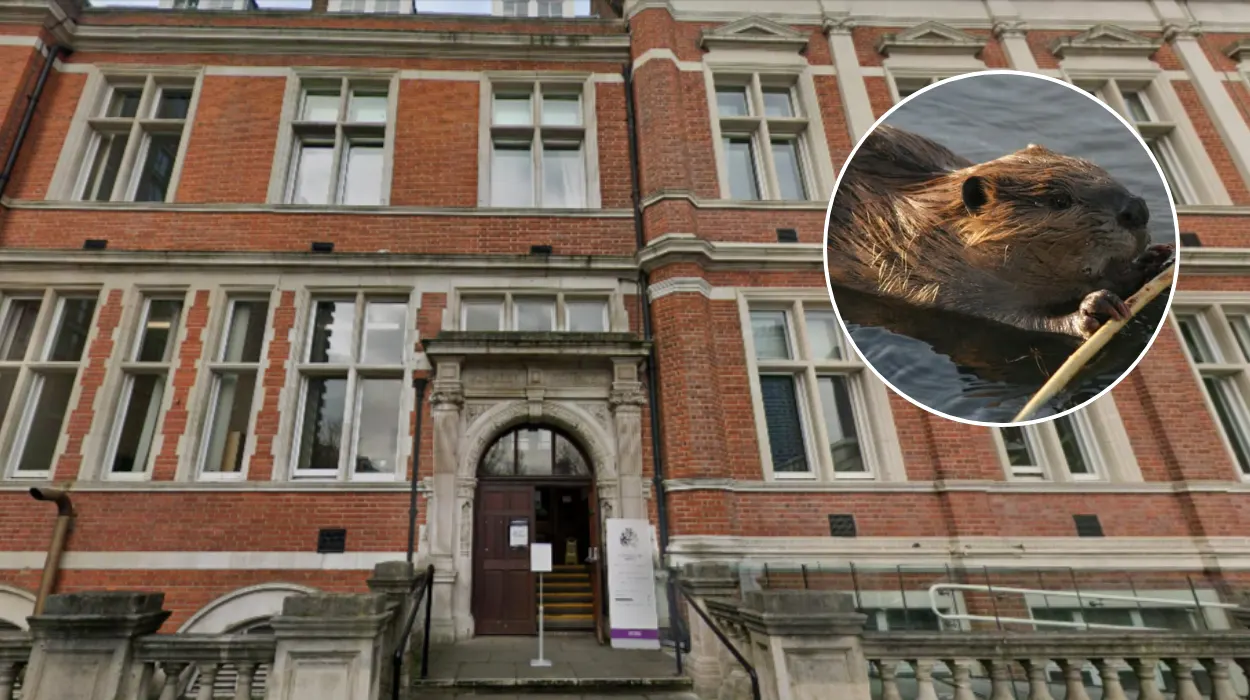
- The council unveiled rewilding proposals for the site, including beaver release, recently.
- Untreated sewage has been discharging into the stream for years.
- The council is working to ensure the environment is safe, confirming the polluted watercourse is not connected to the beaver-inhabitable lake.
- Amy Foster, Labour councillor for Woodside, criticised delayed works on misconnections as “a shocking indictment of the council’s inability to hold partners to account or ensure its departments can work together effectively”.
- Contamination was first identified in mid-2024 via a Thames Water survey of 474 South Norwood properties.
- The survey found 16 properties on Cargreen Road discharging sewage into the stream, including a block of eight social housing flats managed by Hyde Housing.
South Norwood, Croydon (South London News) January 31, 2026 – Croydon Council has assured residents that ongoing sewage pollution issues in South Norwood Country Park will not derail its ambitious plans to introduce Eurasian beavers as part of a rewilding initiative. Sewage misconnections from nearby homes are flushing untreated waste directly into Chaffinch Brook, yet council officials emphasise that the polluted stream remains isolated from the lake designated for the beavers.
- Key Points
- What Is the Sewage Pollution Problem in South Norwood Country Park?
- Why Are Beavers Being Introduced to the Park?
- How Was the Sewage Contamination First Identified?
- What Has Amy Foster Said About the Delays?
- Is the Polluted Watercourse Connected to the Beaver Lake?
- What Role Does Thames Water Play in the Issue?
- How Does Hyde Housing Fit into the Picture?
- What Are the Wider Implications for Rewilding in Urban Areas?
- When Will the Misconnections Be Fully Resolved?
- Who Else Is Involved in the Rewilding Project?
- Background on South Norwood Country Park
- Resident Reactions and Next Steps
What Is the Sewage Pollution Problem in South Norwood Country Park?
The sewage issue stems from misconnections in residential properties near the park, where wastewater bypasses proper sewer systems and flows untreated into Chaffinch Brook. This problem has persisted for years, with raw sewage discharging into the natural watercourse instead of being routed to treatment facilities. Croydon Council has acknowledged the contamination but maintains that robust measures are in place to protect the park’s lake, where beavers would be released.
As per the council’s statement, efforts are underway to render the environment safe for wildlife reintroduction. The separation between the polluted brook and the lake ensures no direct risk to the proposed beaver habitat. This isolation is a critical factor in the council’s confidence that rewilding can proceed unimpeded.
Why Are Beavers Being Introduced to the Park?
Croydon Council’s rewilding proposals, unveiled recently, aim to enhance biodiversity in South Norwood Country Park through the release of Eurasian beavers into the site’s lake. Beavers, known for their dam-building and ecosystem-engineering abilities, are expected to create wetlands that benefit other species and improve water quality over time. The initiative forms part of broader efforts to restore natural habitats in urban green spaces.
The council’s plans highlight beavers’ role in rewilding, a strategy gaining traction across the UK to combat biodiversity loss. By introducing these animals, the park could see improved flood management and richer wildlife populations, aligning with national environmental goals.
How Was the Sewage Contamination First Identified?
The contamination came to light in mid-2024 following a comprehensive Thames Water survey targeting 474 properties in South Norwood. This survey pinpointed 16 homes on Cargreen Road as the primary sources of illegal discharges into Chaffinch Brook. Notably, among these was a block of eight social housing flats overseen by Hyde Housing, underscoring the involvement of both private and managed properties.
Thames Water’s investigation marked the official recognition of the long-standing issue, prompting coordinated action from utilities and local authorities. The findings have since driven targeted remediation efforts, though progress has drawn criticism.
What Has Amy Foster Said About the Delays?
Amy Foster, Labour councillor for Woodside, has voiced strong disapproval over the slow pace of fixes for the misconnections. As reported in initial coverage, she described the delayed works as
“a shocking indictment of the council’s inability to hold partners to account or ensure its departments can work together effectively”.
Her statement reflects broader concerns about inter-agency coordination in tackling environmental hazards.
Cllr Foster’s critique points to systemic failures, urging faster intervention to prevent further ecological damage. Her comments, drawn from council discussions, amplify resident worries about pollution in a cherished local green space.
Is the Polluted Watercourse Connected to the Beaver Lake?
Croydon Council has categorically stated that Chaffinch Brook, the affected stream, is not hydrologically linked to the lake earmarked for beavers. This disconnection safeguards the rewilding site from sewage ingress, allowing plans to advance without modification. Ongoing monitoring and remediation work further bolster this assurance.
The council’s environmental team is actively tracing and correcting misconnections to restore the brook’s health independently. This approach ensures the beaver enclosure remains a pristine habitat, insulated from upstream pollution.
What Role Does Thames Water Play in the Issue?
Thames Water conducted the pivotal mid-2024 survey that exposed the 16 misconnected properties on Cargreen Road. As the regional water authority, it bears responsibility for sewer infrastructure and has collaborated with the council on surveys and fixes. The inclusion of Hyde Housing’s flats highlights the need for housing providers to address resident misconnections promptly.
Thames Water’s data provided the evidence base for enforcement and repairs, though timelines have frustrated stakeholders. Their ongoing involvement is essential to severing illegal discharges permanently.
How Does Hyde Housing Fit into the Picture?
Hyde Housing manages a block of eight social housing flats on Cargreen Road, identified in the Thames Water survey as contributing to sewage outflows. This revelation implicates social housing in the pollution chain, prompting questions about maintenance and compliance in managed properties. The council has engaged Hyde to rectify these connections swiftly.
As a major housing association, Hyde’s role underscores the shared duty across public and private sectors. Residents in these flats, unaware of misconnections, now face disruptions during repairs.
What Are the Wider Implications for Rewilding in Urban Areas?
This episode illustrates the challenges of rewilding in urban settings, where legacy pollution can threaten ambitious projects. Croydon Council’s determination to proceed signals resilience, potentially setting a precedent for other councils balancing development with environmental restoration. Success here could inspire similar beaver releases nationwide.
Critics like Cllr Foster highlight accountability gaps, but proponents argue such issues are surmountable with diligence. The park’s transformation could yield long-term benefits, including enhanced resilience to climate change.
When Will the Misconnections Be Fully Resolved?
While exact timelines remain fluid, Croydon Council is prioritising works on Cargreen Road, with Thames Water and Hyde Housing mobilised. Delays noted by Cllr Foster stem from logistical complexities in accessing properties and verifying fixes. Regular updates are promised as remediation advances.
The council anticipates substantial progress in the coming months, aligning with beaver release preparations. Full resolution will require sustained vigilance to prevent recurrence.
Who Else Is Involved in the Rewilding Project?
Beyond Croydon Council, ecologists and wildlife experts are shaping the beaver introduction, ensuring enclosures meet welfare standards. Partnerships with environmental NGOs provide technical support for habitat creation. Thames Water’s pollution control indirectly aids by cleaning adjacent water bodies.
Stakeholder collaboration is key, with community consultations shaping the rollout. This multi-agency effort exemplifies integrated urban conservation.
Background on South Norwood Country Park
Spanning 50 hectares in south London, the park is a vital green lung for Croydon residents, featuring woodlands, meadows, and water features like Chaffinch Brook and the target lake. Its rewilding potential positions it as a model for city-nature harmony. Historical underuse of the site amplifies the council’s vision.
Long-term sewage issues have marred its appeal, but current initiatives promise revival. Visitors already enjoy trails and birdwatching, soon to be enriched by beavers.
Resident Reactions and Next Steps
Local residents express mixed views: enthusiasm for beavers tempers pollution concerns. Petitions urge faster clean-ups, echoing Cllr Foster’s call for accountability. The council plans public forums to update on progress.