Key Points
- A terraced house in Dulwich, South London, has been radically transformed by London-based architecture and interiors practice ConForm, maintaining a typical street-facing Victorian façade while reimagining the interior and rear extension.
- The project, named Komorebi after the Japanese concept describing the uplifting feeling of dappled sunlight filtering through leaves, was designed for client Robin Cassidy, a father living with his two teenage sons (aged 16 and university student).
- Key inspiration stems from an existing central rooflight/skylight, which ConForm retained and centred the design around, creating layers of light modulated through perforated metal walkways, white plaster, mortared brickwork, concrete beams, and oak.
- Ben Edgley, director and co-founder of ConForm, states the brief called for an open, connected home with private retreat spaces, organised around light, connection, and calibrated separation.
- The house features a full-height central void separating front (original) and rear (new) zones, with a steel walkway, vaulted glazed study on the first floor overlooking the kitchen, open-plan kitchen/dining/living with counters, boys’ rooms and “pod room” on top floor.
- Materials include Italian stone Ceppo di Gré, white-painted brick, steel, dark grey concrete beams, oak with grooves to avoid sauna-like warmth; minimalist aesthetic with select furniture like B&B Italia Tufty-Time sofa, Vipp armchairs, Pinch Imo oak bench, Heerenhuis dining table.
- Robin Cassidy moved in 2009 with late wife Liz and young sons; after her passing from breast cancer, he focused on family; renovation planned/saved for seven years, completed July 2024, moved back after 18 months occupancy as of early 2026.
- Cassidy shared a Pinterest board of references with Edgley to align minimalist styles; house serves as a calm retreat for stressful banking job and sons’ sports/school demands.
- Design emphasises symbiotic family living like “Three Musketeers,” permeability without many doors, acoustic connection without disturbance.
- Coverage includes Wallpaper* (Tianna Williams), The Observer, Afasia Archzine (photos by James Retief), and social media mentions; project hailed as masterclass in spatial connection and material expression.
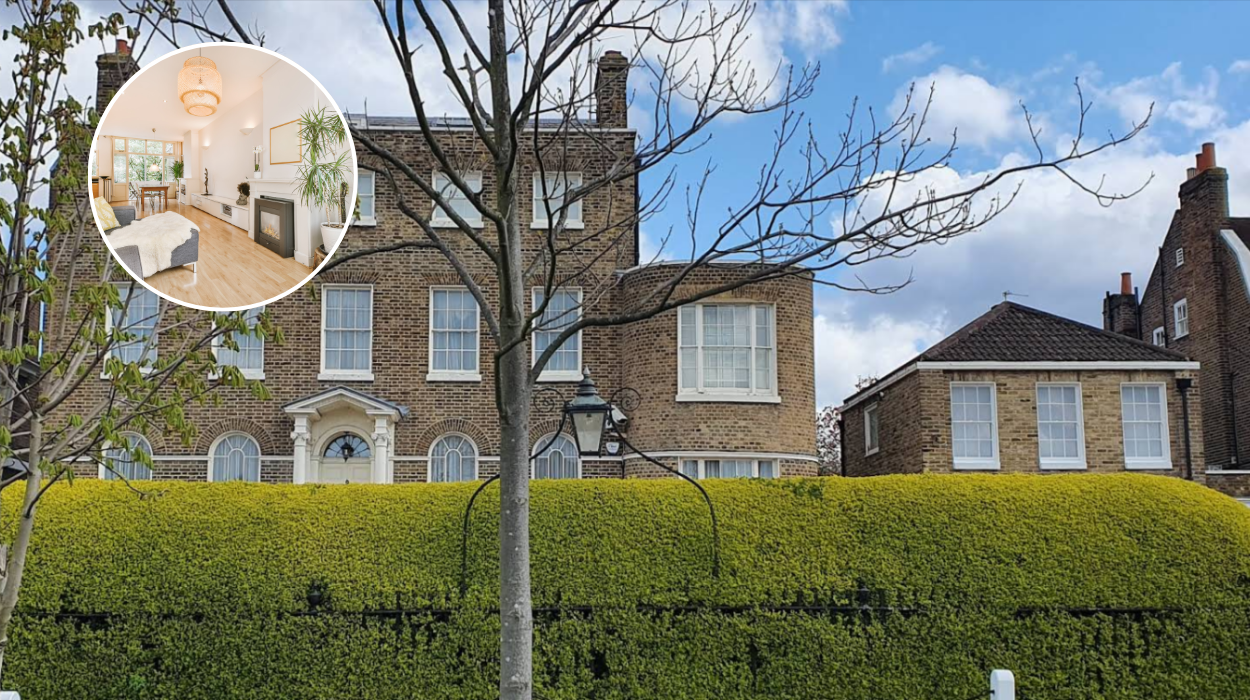
Dulwich (South London News) February 2, 2026 – In the leafy suburb of Dulwich, South London, a seemingly ordinary Victorian terraced house has been reborn as the Komorebi residence through the visionary work of ConForm architects, unveiled in detailed coverage this week. The project masterfully blends tradition with contemporary innovation, drawing global inspiration from the Japanese term ‘komorebi’ to create a home that dances with dappled light for homeowner Robin Cassidy and his two sons. This transformation, retaining the street façade while gutting and extending the rear, exemplifies urban renewal amid London’s housing constraints.
- Key Points
- What Inspired the Komorebi Dulwich House Design?
- Who is the Client Behind This Dulwich Transformation?
- How Does the Family Dynamic Shape the Home?
- What Architectural Features Define Komorebi House?
- What Materials Create Its Distinct Atmospheres?
- When Was the Project Completed and What Coverage Has It Received?
- Why Does This Project Matter in London Architecture?
What Inspired the Komorebi Dulwich House Design?
As reported by Tianna Williams of Wallpaper*, the design draws its name and essence from ‘komorebi’, the Japanese expression for the quiet, uplifting sensation of sunlight filtering through tree leaves. Ben Edgley, director at ConForm, tells Wallpaper*:
“It perfectly captures the gentle quality of light within the home’s central void. Here, light is modulated through perforated metal walkways and washes across crisp white plaster and rough, mortared brickwork, creating a calm, atmospheric interior.”
The project’s conceptual core revolves around an unusual existing feature: a centrally placed rooflight filtering daylight deep into the home’s heart, rare for terraced typology. Rather than removing it, ConForm elevated it as the foundation, organising the house in vertical and horizontal layers like a paper puzzle. Edgley explains to Wallpaper*:
“The starting point was the client’s brief, which called for an open, connected home where he and his sons can live together, while still having spaces to retreat to and use privately.”
He adds:
“Furthermore, the existing property had an unusual centrally placed rooflight and an open kitchen/living room arrangement across a half level. These elements became the catalyst for developing a house organised around light, connection and carefully calibrated separation.”
Who is the Client Behind This Dulwich Transformation?
Robin Cassidy, the homeowner, moved into the East Dulwich house in 2009 with his then-wife Liz and their two young sons, marking it as their first rooted family home. Tragically, Liz was diagnosed with breast cancer shortly after; Cassidy describes her as
“not just brave and courageous, but serene”
during treatment, before she passed away when the boys were aged three and five. “I threw myself into my responsibilities,” Cassidy says, as reported in The Observer.
“Which were the children, and being a good example, conducting myself really well.”
Now with sons aged 16 and one at university, Cassidy views them as “my inspiration—they’ve turned out extremely well.” The renovation, planned and saved for over seven years, became “something for myself—a reward.” He works in banking, facing a “quite stressful job at times,” while his sons are “pushed pretty hard” at school and sports, making the home a vital decompression space. Cassidy came across ConForm’s minimalist style during research and shared a Pinterest board of years’ references:
“It was a great way to fast-forward probably a dozen conversations,”
How Does the Family Dynamic Shape the Home?
Cassidy likens their life to
“the Three Musketeers—we work around each other symbiotically. We just have a way of orchestrating our life together very smoothly.”
The design prioritises privacy yet connection, with few doors for permeability: boys’ rooms and a “pod room” with TV and sofa form an “apartment” on top, allowing them to “hear what each other is doing without disturbing one another.” “Whatever we’re doing, we’re together, not locked away in a room somewhere,” Cassidy explains.
What Architectural Features Define Komorebi House?
From the street, the house blends seamlessly with neighbours—brickwork, bay windows, tiled roof—but inside reveals a full-height open central space dividing original front rooms from the new rear. Ben Edgley, co-founder of ConForm, says of this void, as quoted in The Observer:
“That split in the middle helps distinguish the two zones, but keeps them connected.”
Light filters through perforated steel walkways and oversized skylights—installation risky, with Cassidy noting:
“It came with a disclaimer: if you get something this size, four times out of 10 it breaks while installing it.”
The ground floor offers seamless flow: open counter between kitchen, dining, and living spaces, lined with oak walls grooved for rhythm—“You don’t want it to end up looking like a sauna,” Cassidy quips. Upstairs, a vaulted glazed study perches on the first floor, overlooking the kitchen via a landing where, Edgley tells Wallpaper*,
“light floods in, and the full material palette is experienced at once… This is where the sense of connection the client sought in the original brief is most tangible, and where the project truly comes together.”
What Materials Create Its Distinct Atmospheres?
Edgley focused on a “controlled palette,” per The Observer: Italian stone Ceppo di Gré, white-painted brick, steel, dark grey concrete beams, and oak—
“The timber brings it all together. You feel the warmth and opulence of the oak, because of the rawness and coldness of the concrete and steel.”
The living room’s oak has grooves
“that elevates it, makes it more contemporary, and draws your eye to the rhythm,”
Edgley says. The first-floor workspace feels “industrial… almost as if you are outside,” with white-washed bricks and heavy concrete. Chalk-white brickwork bounces light, alongside concrete downstand beams and perforated steel, crafting a bright urban retreat.
Furniture is sparse and curated: low-slung Tufty-Time sofa from B&B Italia, Vipp armchairs in living room; Imo oak bench from Pinch and Heerenhuis dining table. “There is zero clutter,” notes The Observer, reflecting the home’s pristine, minimalist calm—“When they were younger the house was never this pristine… We ran it into the ground,” Cassidy laughs of past indoor sports.
When Was the Project Completed and What Coverage Has It Received?
The family moved back in July 2024, having lived in it for around 18 months by early 2026 publication dates. Cassidy reflects:
“When you’re given something, you don’t appreciate it as much as when you really have to earn it and be patient. And I have for a long time… Now I deserve to enjoy it, and now is a good time to enjoy it.”
Initial detailed coverage appeared in Wallpaper* on 31 January 2026 by Tianna Williams, hailing it as a “masterclass on spatial connection and material expression.” The Observer followed on the same date, profiling Cassidy’s story and design drama. Afasia Archzine noted it on 1 February 2026 with photos © James Retief, simply crediting “ConForm. Komorebi. London.” Wallpaper*’s X (Twitter) post on 1 February 2026 echoed: “For this Dulwich house, architects ConForm were inspired by ‘komorebi’…”
Why Does This Project Matter in London Architecture?
Nestled among terraced homes, Komorebi preserves external character while delivering internal innovation, addressing family needs in compact urban settings. Its light-centric, layered approach offers a blueprint for renovations, balancing openness with privacy amid London’s Victorian stock. Edgley highlights the “quiet complexity of each area,” making it “intriguing.” For Cassidy, it’s more than architecture—it’s a testament to resilience, family bonds, and earned serenity.