Key Points
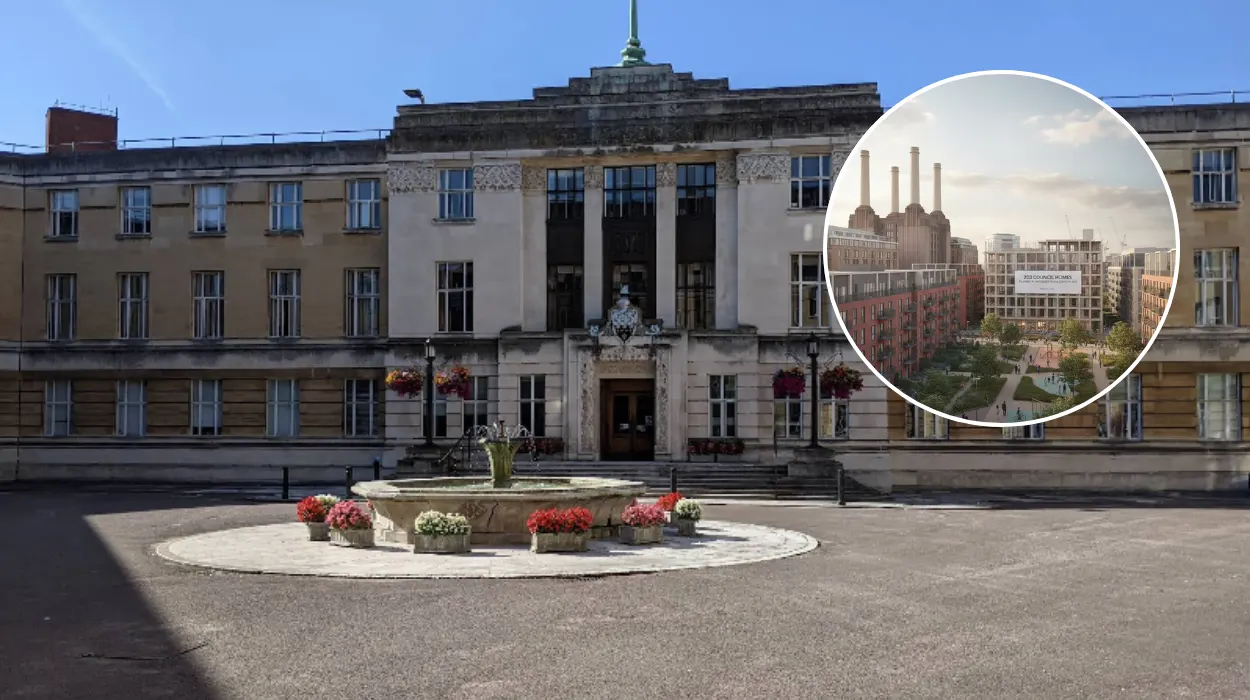
- More than 200 council homes, specifically 203, are set to be built next to Battersea Power Station as part of a £9bn regeneration of the 42-acre site surrounding the famous south-west London landmark.
- The homes will be constructed by 2029 on an undeveloped plot of land leased by Wandsworth Council and owned by Battersea Power Station Development Company (BPSDC).
- This follows an agreement between Wandsworth Council and BPSDC after BPSDC was called on to provide more affordable housing in the scheme.
- A planning application to build the homes has been submitted, with a final decision by the council expected in March.
- The council’s waiting list in March last year stood at 11,183, including 3,771 homeless households.
- Labour councillor Sarmila Varatharaj said the plan would help families waiting for council homes and added: “This is news that we should be celebrating.”
- The Labour-run council’s announcement last year of partnering with BPSDC marked a major turning point for the regeneration.
- The authority had previously fiercely criticised the redevelopment for only agreeing to build 386 affordable homes, or nine per cent, out of roughly 4,000 homes.
- The new council properties will be in addition to the level of affordable housing already agreed by the developer, taking this to 15%, if they win final planning permission.
- They are set to form part of the authority’s Homes for Wandsworth scheme, which is due to deliver 1,000 new council homes across the borough by 2029.
- A report by council officers said: “The scheme would provide high-quality homes for local people at pace, while supporting greater social integration and inclusivity.”
- More than 2,200 homes have been delivered so far in the redevelopment, with new cultural attractions and workplaces planned for future phases of the regeneration.
Battersea, London (South London News) February 4, 2026 – More than 200 council homes are set to be built next to Battersea Power Station as part of a £9bn regeneration of the site. The 203 homes will be constructed by 2029 on an undeveloped plot of land leased by Wandsworth Council and owned by Battersea Power Station Development Company (BPSDC), according to the Local Democracy Reporting Service (LDRS). This development follows an agreement between Wandsworth Council and BPSDC after the developer was called upon to provide more affordable housing in the scheme.
- Key Points
- What Is the Plan for New Council Homes at Battersea Power Station?
- Why Was BPSDC Called to Provide More Affordable Housing?
- How Does This Fit into Wandsworth Council’s Broader Housing Scheme?
- What Progress Has Been Made on the Battersea Power Station Regeneration?
- Who Are the Key Players in This Agreement?
- What Challenges Might Delay the Project?
- How Will This Impact Local Residents and the Waiting List?
- What Is the History of Criticism Surrounding the Regeneration?
- Why Is Battersea Power Station a Landmark Regeneration Project?
- When Will the Homes Be Ready, and What Happens Next?
What Is the Plan for New Council Homes at Battersea Power Station?
The planning application for the 203 council homes has been submitted, with a final decision expected from Wandsworth Council in March. As reported by the Local Democracy Reporting Service (LDRS), the homes will occupy land leased by Wandsworth Council and owned by BPSDC on the 42-acre site surrounding the iconic south-west London landmark.
This initiative forms part of the broader £9bn regeneration project, which aims to transform the area with residential, cultural, and commercial developments.
Labour councillor Sarmila Varatharaj welcomed the plan, stating it would help families waiting for council homes. She added:
“This is news that we should be celebrating.”
The Labour-run council’s announcement last year of partnering with BPSDC marked a major turning point for the regeneration, shifting from previous criticisms to collaboration.
Why Was BPSDC Called to Provide More Affordable Housing?
Wandsworth Council had previously fiercely criticised the redevelopment for agreeing to build only 386 affordable homes, or nine per cent, out of roughly 4,000 homes planned for the site.
The new council properties will be in addition to this level of affordable housing already agreed by the developer, potentially taking the total affordable housing proportion to 15% if final planning permission is granted. This agreement underscores a response to long-standing calls for greater social housing provision amid the site’s massive redevelopment.
The council’s waiting list in March last year was 11,183, including 3,771 homeless households, highlighting the acute demand for affordable accommodation in the borough. Councillor Sarmila Varatharaj, as quoted in coverage by the Local Democracy Reporting Service (LDRS), emphasised the significance of the plan in addressing these needs for waiting families.
How Does This Fit into Wandsworth Council’s Broader Housing Scheme?
The new homes are set to form part of the authority’s Homes for Wandsworth scheme, which is due to deliver 1,000 new council homes across the borough by 2029. A report by council officers stated:
“The scheme would provide high-quality homes for local people at pace, while supporting greater social integration and inclusivity.”
This positions the Battersea project as a key component in the council’s ambitious target to expand social housing stock borough-wide.
The Labour-run council views this partnership as a step forward in ensuring inclusivity within one of London’s most high-profile regeneration projects. By integrating council homes into the site, the initiative aims to balance luxury developments with provision for local residents facing housing pressures.
What Progress Has Been Made on the Battersea Power Station Regeneration?
More than 2,200 homes have already been delivered as part of the redevelopment, with new cultural attractions and workplaces planned for future phases.
The Battersea Power Station site, once an abandoned industrial relic, has evolved into a vibrant mixed-use destination under BPSDC’s oversight. This latest housing agreement builds on that momentum, addressing criticisms over affordability while advancing the £9bn vision.
As detailed in reports from the Local Democracy Reporting Service (LDRS), the undeveloped plot selected for the council homes ensures the project complements existing phases without disrupting ongoing works. The timeline for completion by 2029 aligns with the Homes for Wandsworth scheme’s deadline, promising timely delivery.
Who Are the Key Players in This Agreement?
Wandsworth Council, currently under Labour control, has driven the push for additional affordable housing through its partnership with BPSDC. Battersea Power Station Development Company (BPSDC), the site’s primary developer, owns the land and has committed to the lease arrangement. Labour councillor Sarmila Varatharaj has been a vocal supporter, celebrating the deal as a win for local families.
Council officers’ reports, as cited by the Local Democracy Reporting Service (LDRS), endorse the scheme’s quality and social benefits. No statements from BPSDC representatives were detailed in the available coverage, but the agreement reflects their responsiveness to council demands.
What Challenges Might Delay the Project?
The planning application awaits a final decision in March, introducing a potential hurdle if objections arise. Historically, the redevelopment faced scrutiny over its initial low affordable housing quota of nine per cent, which could resurface in public consultations. Wandsworth Council’s waiting list pressures—11,183 households, including 3,771 homeless—add urgency, but any planning setbacks could push timelines beyond 2029.
Despite this, the council’s report optimistically highlights delivery “at pace,” suggesting confidence in navigating approvals. The Labour-run authority’s prior criticisms of BPSDC indicate a robust negotiation process, likely fortifying the application against challenges.
How Will This Impact Local Residents and the Waiting List?
Councillor Sarmila Varatharaj stated the plan would directly help families on the council’s waiting list, which numbered 11,183 in March last year, including 3,771 homeless households. By providing 203 high-quality council homes, the project targets those most in need, fostering social integration near a site increasingly dominated by high-end residences. The council officers’ report emphasised:
“The scheme would provide high-quality homes for local people at pace, while supporting greater social integration and inclusivity.”
This addition elevates affordable housing to 15% of the total, a notable increase from the original nine per cent across roughly 4,000 homes. Residents stand to benefit from proximity to emerging cultural attractions and workplaces, enhancing the area’s appeal for working families.
What Is the History of Criticism Surrounding the Regeneration?
The authority had fiercely criticised the redevelopment for its initial commitment of just 386 affordable homes out of roughly 4,000, equating to nine per cent.
This sparked debates over exclusivity in a borough grappling with housing shortages. Last year’s partnership announcement signalled a turning point, with Labour councillor Sarmila Varatharaj hailing it as celebratory news.
Coverage by the Local Democracy Reporting Service (LDRS) underscores how these negotiations led to the current deal, balancing commercial interests with social obligations. The shift demonstrates evolving dynamics between developers and local government.
Why Is Battersea Power Station a Landmark Regeneration Project?
The 42-acre site, centred on the famous south-west London landmark, has seen over 2,200 homes delivered amid a £9bn transformation. Future phases promise cultural attractions and workplaces, positioning Battersea as a new hub. The council homes integrate social housing into this vision, leased from BPSDC-owned land.
As per the Local Democracy Reporting Service (LDRS), the undeveloped plot’s use ensures phased development continues seamlessly. This holistic approach aims for inclusivity in a high-profile project drawing global attention.
When Will the Homes Be Ready, and What Happens Next?
Construction is slated for completion by 2029, aligning with the Homes for Wandsworth scheme’s 1,000-home target. The planning decision in March will be pivotal; approval would trigger building on the leased plot. Councillor Sarmila Varatharaj’s endorsement—”This is news that we should be celebrating”—reflects optimism.
Council officers anticipate high-quality delivery supporting integration, as their report notes. With 2,200 homes already built, this phase advances the regeneration’s social pillar.