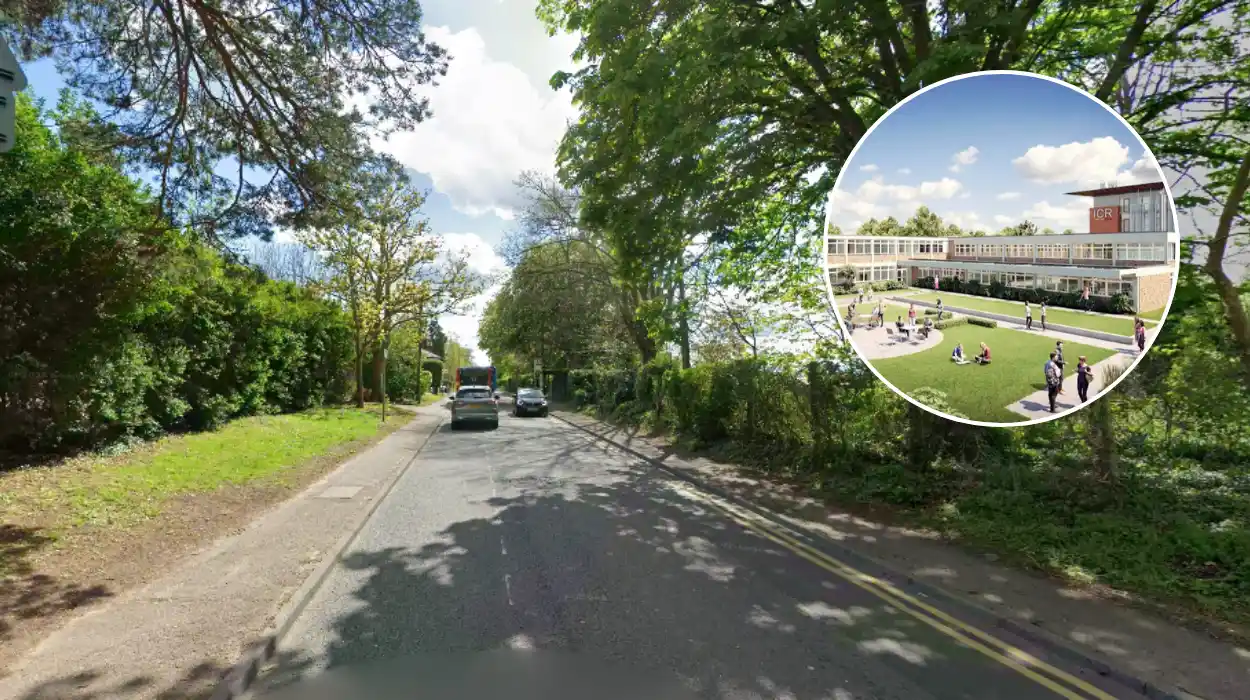
Key Points
- Sutton Council granted planning approval for the £1 billion London Cancer Hub expansion on World Cancer Day, 4 February 2026.
- The project will deliver around 1 million sq ft of new state-of-the-art laboratory and research space across 12 acres.
- It includes homes for approximately 220 key workers, a pub, four padel courts, and new public open spaces to foster collaboration and wellbeing.
- The expansion is expected to create 3,000 new high-skilled jobs, with the wider London Cancer Hub district supporting 13,000 jobs and contributing £1.2 billion in Gross Value Added (GVA) to the UK economy.
- Led by Aviva Capital Partners and development manager Socius, in partnership with The Institute of Cancer Research (ICR), The Royal Marsden NHS Foundation Trust, and designed by Gensler.
- Described as a “Silicon Valley for cancer research” and a vibrant “village” where science happens in labs and the pub, after 20 years in development.
- Construction is set to start later in 2026, targeting net-zero carbon buildings and aligning with UK life sciences ambitions.
- Features amenities like padel courts by Social Sports Society, prioritising local residents and workers, with eco-friendly designs.
Sutton, South London (South London News) February 5, 2026 – Planning chiefs at Sutton Council have approved a transformative £1 billion expansion of the London Cancer Hub, a world-leading cancer research “village” poised to revolutionise oncology innovation, on World Cancer Day.
- Key Points
- What is the London Cancer Hub?
- When did Sutton Council approve the plans?
- What facilities will the cancer research village include?
- How many jobs will the London Cancer Hub create?
- Who are the key partners behind the project?
- What is the economic impact of the approval?
- When will construction start on the village?
- Why was the approval granted on World Cancer Day?
The ambitious scheme, 20 years in the making, will add 1 million square feet of cutting-edge laboratory and research facilities across 12 acres, creating 3,000 high-skilled jobs and bolstering the existing life sciences cluster anchored by The Institute of Cancer Research (ICR) and The Royal Marsden NHS Foundation Trust. Developers Aviva Capital Partners and Socius hail it as a “Silicon Valley for cancer research,” complete with homes for 220 key workers, a pub, padel courts, and open spaces to encourage collaboration among scientists, clinicians, and businesses.
What is the London Cancer Hub?
The London Cancer Hub is an emerging global hub for cancer research, treatment, and commercialisation in Sutton, south London, building on the strengths of the ICR and The Royal Marsden, two internationally renowned institutions. Spanning a wider district, it already includes the Innovation Gateway for early-stage life sciences firms, translating discoveries into clinical impact.
As reported by the Evening Standard, the hub has been described as a place where
“science should happen inside the lab and in the pub,”
emphasising a collaborative ethos. The project aligns with the Mayor of London’s Growth Plan as a key engine for frontier innovation, recognised in the New London Architecture Award 2025 for its mixed-use masterplan blending research labs with community spaces.
When did Sutton Council approve the plans?
Sutton Council granted full planning consent on 4 February 2026, coinciding with World Cancer Day, as confirmed in official announcements from the council and developers. This “hugely significant moment,” according to Councillor Barry Lewis, Leader of the London Borough of Sutton, came after extensive public engagement and years of preparation.
As stated by Councillor Barry Lewis in a Sutton Council release,
“This is a hugely significant moment for Sutton, London, and the UK life-science sector. The approval for the next stage of the London Cancer Hub cements Sutton as a leading global destination for cancer drug discovery.”
The decision unlocks the next phase, with construction slated to begin later this year.
What facilities will the cancer research village include?
The approved plans encompass advanced laboratories, research spaces, and community amenities designed to create a vibrant ecosystem. Key features include affordable homes for about 220 key workers, a pub to facilitate informal collaborations, four demountable padel courts operated by Social Sports Society, and enhanced public realms with planting and eco-friendly materials.
Daniel May, Director of Socius, told the Evening Standard:
“The London Cancer Hub is about more than buildings. We are delivering the next phase of investment into an already world-class cancer district, creating a powerful catalyst for private investment and long-term growth. It’s about creating a vibrant ecosystem where collaboration drives discovery. By working closely with the ICR, The Royal Marsden, and our partners, we are delivering a worldclass environment that will support businesses, attract investment, and ultimately improve patient outcomes.”
The padel courts, planned as a temporary seven-year feature, will offer discounted rates to locals and hub employees, supporting yoga, table tennis, and running clubs, based on feedback from over 4,500 people. Buildings target net-zero carbon in operation, with architects Gensler, structural engineers Arup, and planning consultants Savills involved.
How many jobs will the London Cancer Hub create?
The expansion alone will generate 3,000 new high-skilled roles in R&D and life sciences manufacturing, while the full district is projected to support 13,000 jobs. This influx, per Sutton Council’s analysis, will contribute £1.2 billion in GVA to the UK economy once realised.
Howard Dawber, Deputy Mayor of Business and Growth at the Greater London Authority, commented:
“I am thrilled that planning consent has been granted to expand the London Cancer Hub, enabling the development of this world-leading facility. I have seen first-hand the incredible work that the Hub delivers, and this expansion will create thousands of jobs, support emerging businesses and attract investment, while driving life-saving scientific research.”
The project strengthens the UK’s science infrastructure, drawing global talent and investment.
Who are the key partners behind the project?
Aviva Capital Partners leads the investment, with Socius as development manager, partnering with ICR, The Royal Marsden, and local authorities. Sophie White, Sector Head Regeneration at Aviva Capital Partners, said:
“We’re delighted to secure planning consent for the London Cancer Hub – a landmark moment for this scheme. This development will deliver critical science infrastructure for the UK, helping the UK get ready for the future by creating an environment where innovation can flourish and lifesaving research can accelerate.”
Professor Kristian Helin, Chief Executive of The Institute of Cancer Research (ICR), stated:
“We warmly welcome the approval of these ambitious new plans for The London Cancer Hub, a project the ICR has long championed. Their delivery will create a vibrant, globally competitive life-sciences facility at our Sutton campus, attracting innovative companies and deepening collaboration between academia, industry and the NHS. […] Overall, these plans will accelerate the translation of pioneering discoveries into patient benefit and establish The London Cancer Hub as a nationally and internationally significant centre for cancer innovation – driving investment, enabling the growth of oncology-focused life-sciences companies, and reinforcing the UK’s position as a global leader in cancer research and life-sciences.”
Dame Cally Palmer, Chief Executive of The Royal Marsden NHS Foundation Trust, added:
“We are delighted that planning permission has been granted for the London Cancer Hub. A world leading partnership already exists between The Royal Marsden and the Institute of Cancer Research in improving cancer survival globally through research and innovation in cancer care. Partnering with life sciences and Aviva through the London Cancer Hub will have a major impact and benefit for the local community, the country, and for our international collaborations in cancer research. We are thrilled that planning permission has been granted.”
What is the economic impact of the approval?
Beyond jobs, the hub will attract private investment and position Sutton as a cancer drug discovery powerhouse, per Councillor Barry Lewis:
“This landmark development will deliver economic growth, significant health innovations, and tangible benefits for our community, including jobs. I’m immensely proud of the Council’s work in acquiring the land, securing grant funding, and finding partners in Aviva and Socius to deliver this project. Now I look forward to seeing the construction get underway!”
The PR Newswire release notes the development’s role in tackling future health challenges by supporting start-ups, scale-ups, and global firms. Aviva’s involvement underscores its commitment to urban regeneration and sustainable infrastructure, with long-term assets for customer savings.
When will construction start on the village?
Work is expected to commence later in 2026, following the green light, with phases delivering labs, amenities, and homes progressively. Daniel May of Socius noted the focus on a “worldclass environment” ready for immediate impact.
The padel courts, a community-focused element, are slated for construction this month in related approvals, opening by July 2026 to boost cohesion. Full realisation will expand the cluster to unprecedented scale, cementing south London’s life sciences leadership.
Why was the approval granted on World Cancer Day?
The timing on 4 February 2026 underscores the urgency of cancer innovation, as highlighted in Aviva’s press release: “Planning approval was granted on World Cancer Day (4 February), underlining the urgency of advancing cancer research and treatment.” It symbolises commitment to global health challenges amid rising needs.
This milestone, after public consultations and awards, positions the UK as a life sciences leader, per all stakeholders. The “village” vision promises not just facilities, but a thriving community driving patient outcomes worldwide.