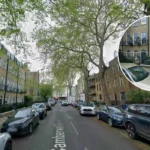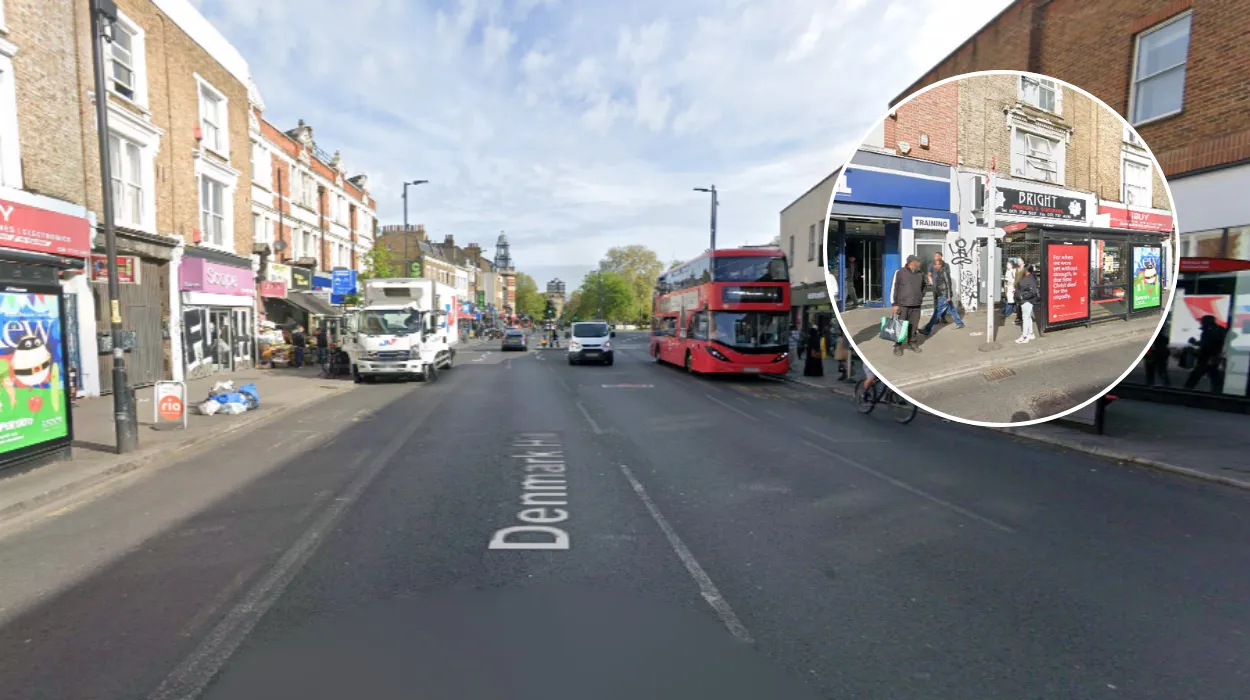
Denmark Hill stands as one of South London’s most intriguing neighborhoods, blending rich history, green spaces, and modern vibrancy.
A Storied Past
Denmark Hill’s origins trace back to medieval times when it formed part of the ancient Lambeth estate. The area gained its name from a Danish resident in the 17th century, though local lore ties it to Viking influences from earlier invasions. By the Georgian era, it evolved into a desirable retreat for London’s elite, with grand villas dotting the hillside overlooking the Thames.
Development accelerated in the Victorian period as railways connected it to the city center. The London, Chatham and Dover Railway opened Denmark Hill station in 1866, spurring residential growth. This era saw the rise of notable institutions, cementing its legacy as a hub for healthcare and education.
Architectural Highlights
The neighborhood boasts striking Victorian and Edwardian architecture. Ruskin Park, named after critic John Ruskin who once resided nearby, features manicured gardens and period bandstands. Many homes retain original iron railings and bay windows, reflecting the prosperity of the late 19th century.
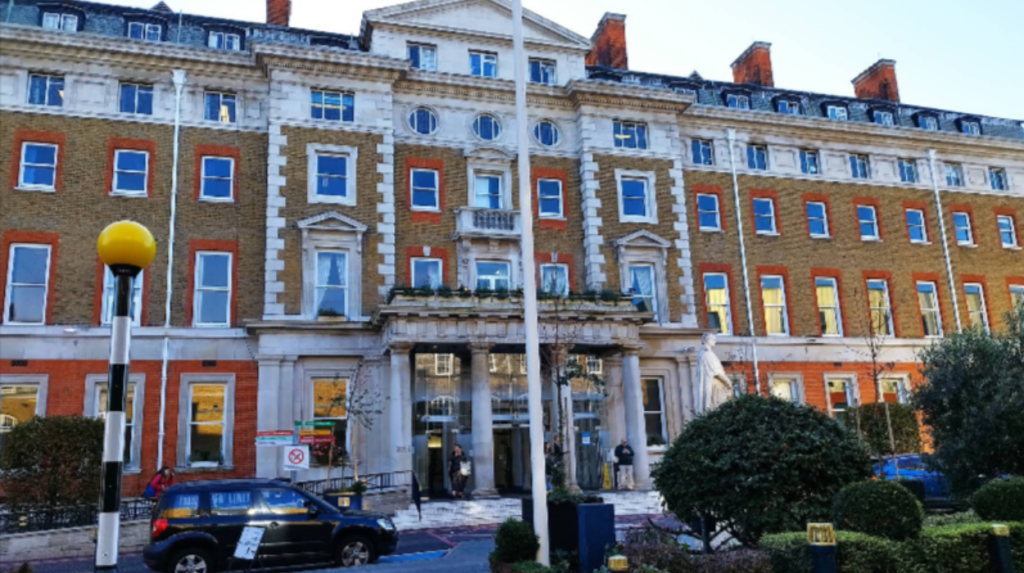
St Thomas’ Hospital campus extends here, with the King’s College Hospital main site dominating the skyline since its 1909 relocation. These red-brick structures exemplify Arts and Crafts influences, blending functionality with ornate detailing.
Green Spaces and Recreation
Denmark Hill thrives on its parks, offering residents an escape from urban bustle. Ruskin Park spans 15 hectares with tennis courts, playgrounds, and a cafe popular for Sunday roasts. Lammas Land fields host community cricket matches, evoking pastoral traditions.
Camberwell Old Cemetery, now a nature reserve, provides serene walks amid wildflowers and historic graves. These spaces support biodiversity, with bat boxes and bird hides attracting wildlife enthusiasts year-round.
Healthcare Legacy
King’s College Hospital has anchored Denmark Hill since the early 20th century, pioneering treatments like the world’s first use of penicillin in 1941. The Maudsley Hospital, adjacent and world-renowned for psychiatry, opened in 1916 and continues groundbreaking research.
The NHS Denmark Hill Dental Hub serves thousands annually, underscoring the area’s commitment to public health. These institutions employ over 10,000 staff, forming the economic backbone.
Cultural and Artistic Scene
Denmark Hill pulses with creativity. The South London Gallery in nearby Peckham influences local art scenes, while independent studios dot the streets. Annual events like the Camberwell Arts Festival spill over, featuring street performances and pop-up exhibitions.
Live music venues such as The Bussey Building host jazz nights, drawing crowds from across the river. Street art murals by local talents adorn railway arches, celebrating the area’s multicultural fabric.
Dining and Local Eats
Food lovers flock to Denmark Hill for diverse options. The Denmark Hill Cafe offers classic British fry-ups, while Franco Manca’s sourdough pizzas draw queues. Sury Kant Street Food serves authentic Indian chaat, reflecting Caribbean and South Asian communities.
Seasonal farmers’ markets in Ruskin Park showcase artisan cheeses and organic veg. Pubs like The Hill Station pour craft ales alongside hearty pies, fostering community gatherings.
Getting Around
Denmark Hill station provides Thameslink services to Blackfriars in 10 minutes and Brighton in an hour. Overground lines link to Clapham Junction and beyond. Cycling routes through Burgess Park connect to central London, with Santander bikes widely available.
Buses like the 185 and 40 offer frequent service, while the area scores high on walkability with pavements lined by independent shops.
Community and Diversity
Home to around 15,000 residents, Denmark Hill reflects South London’s melting pot. Over 40% identify as Black, Asian, or minority ethnic, enriching festivals like Notting Hill Carnival echoes in local celebrations. Schools such as Sacred Heart Catholic School excel in Ofsted ratings, emphasizing inclusivity.
Community groups like the Denmark Hill Conservation Area Association preserve heritage while advocating for green initiatives.
Education and Learning
Maudsley Hospital’s Institute of Psychiatry partners with King’s College London for neuroscience degrees. Local libraries host coding clubs and history talks. Charter School North Dulwich nearby offers IB programs, attracting families.
Ruskin Park events include outdoor chess and book swaps, nurturing lifelong learning.
Property and Living Here
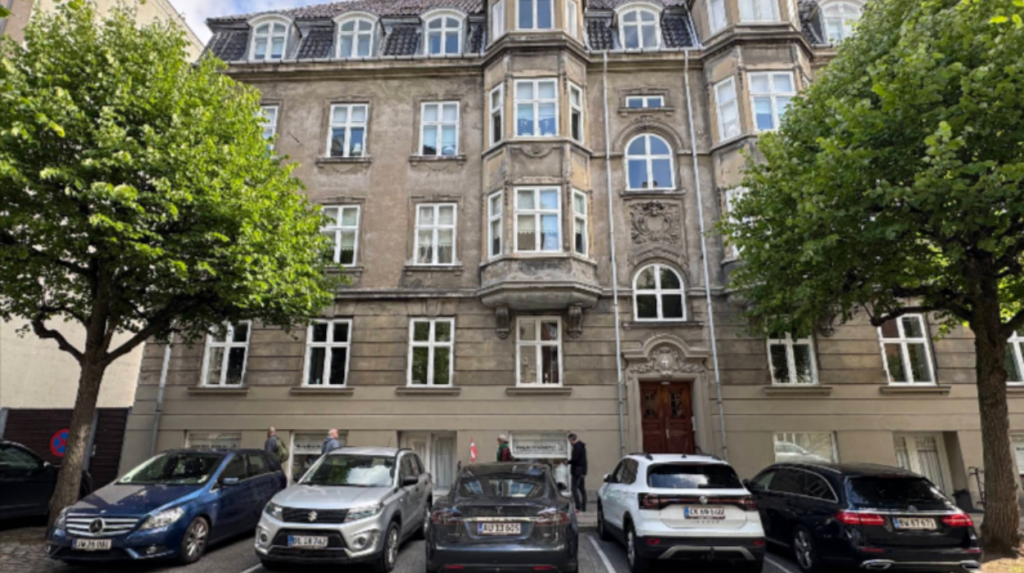
Average house prices hover around £700,000 for terraced Victorians, appealing to professionals. Rental yields remain strong at 4-5%, with one-beds from £1,800 monthly. The area’s low crime rates and proximity to Zone 2 make it family-friendly.
Sustainability efforts include solar panels on social housing and car-free streets pilots.
Fun Facts and Hidden Gems
Did you know Denmark Hill featured in Charles Dickens’ works, inspiring scenes in “Little Dorrit”? A blue plaque marks Bob Marley’s former residence nearby. The hill’s gradient challenged early cyclists, birthing local racing clubs.
Explore the hidden Maudslay Park, named after engineer Henry Maudslay, with its tranquil ponds.
Why Denmark Hill Endures
This South London enclave balances heritage with modernity, offering timeless appeal for residents and visitors alike. Its evolution from rural idyll to urban oasis ensures enduring relevance.