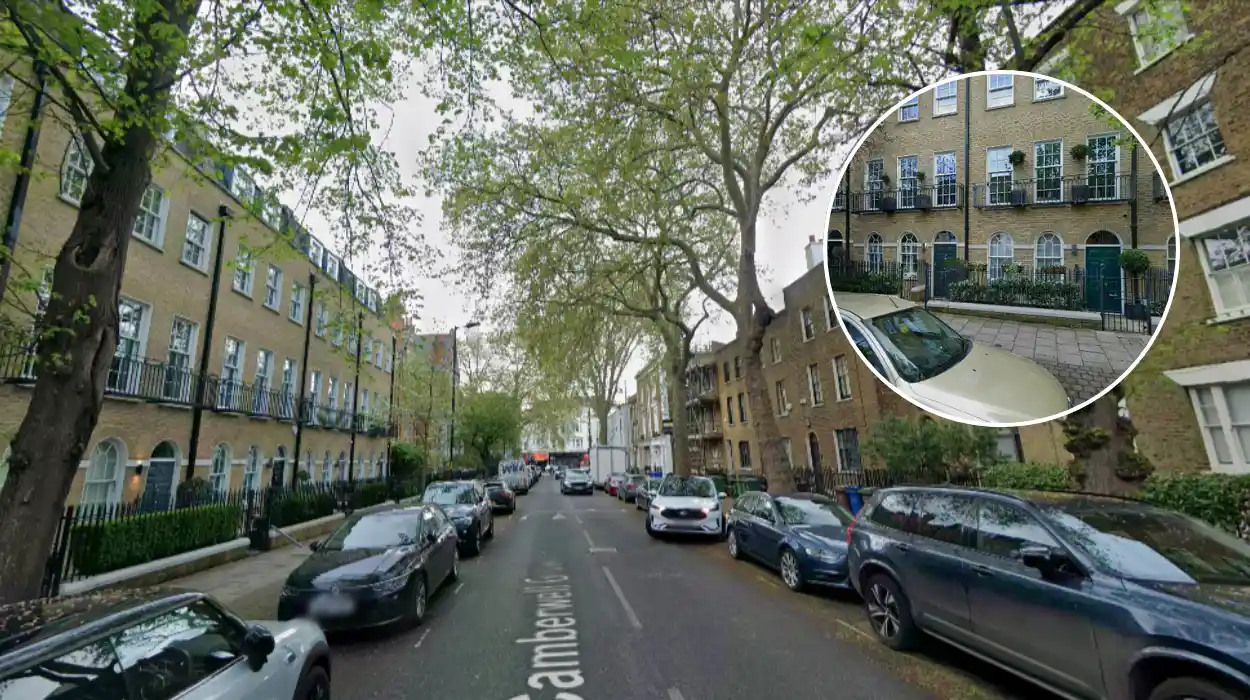
Camberwell Grove stands as a picturesque slice of South London’s rich heritage, blending Georgian elegance with modern community vibes. Nestled in the heart of Camberwell, this street captivates locals and history buffs alike with its timeless architecture and stories from centuries past.
A Storied Past Unveiled
Camberwell Grove emerged in the late 18th century as part of Camberwell’s transformation from rural hamlets to a desirable London suburb. Georgian townhouses line the street, built around 1780-1800 for merchants and professionals seeking respite from the city’s bustle, reflecting the era’s neoclassical influences with symmetrical facades and sash windows. These homes, many Grade II listed, survived Victorian expansions and 20th-century bombs, preserving South London’s architectural legacy.
Local lore ties the grove to Camberwell’s ancient roots; the name “Camberwell” derives from the Old English “Camberwell,” meaning “well of the comb-maker,” hinting at early Saxon settlements near a spring. By the Georgian period, the area flourished as villas dotted the landscape, with Camberwell Grove exemplifying refined suburban living amid orchards and green spaces.
Architectural Marvels Up Close
The street’s hallmark is its terrace of two- and three-story brick houses, featuring pediments, iron railings, and stucco detailing that scream Regency charm. Standout properties include Nos. 1-15, where original fanlights and dentil cornices remain intact, offering a masterclass in period design. Preservation efforts by Southwark Council ensure these structures endure, resisting modern overdevelopment.
Wander the grove, and you’ll spot subtle variations: some homes boast later Victorian bay windows, blending eras seamlessly. This mix creates a harmonious streetscape, ideal for photography or quiet strolls, embodying South London’s knack for evolving without losing soul.
Green Spaces and Daily Life
Adjacent to Camberwell Grove lies Camberwell Old Cemetery, a serene Victorian burial ground turned nature reserve with winding paths and wildflowers. Residents cherish it for peaceful walks, where ancient tombs whisper tales of cholera outbreaks and local notables. The grove itself fronts small gardens bursting with wisteria in spring, fostering community pride.
Modern life pulses here too; families push prams past artisanal coffee spots like Camberwell’s bustling cafes just minutes away. It’s a microcosm of South London living—historic yet vibrant, where blue plaques nod to past residents like artists and reformers.
Cultural Connections and Events
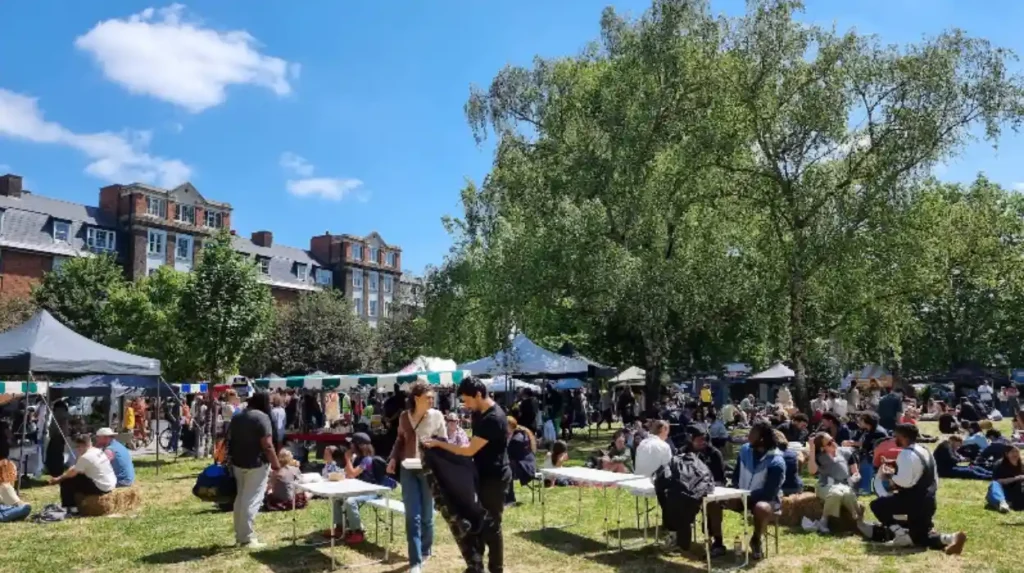
Camberwell Grove anchors a creative hub, near the Camberwell College of Arts, nurturing talents since 1898. Annual events like the Camberwell Open Studios spill onto nearby streets, with artists opening studios in summer for public viewings of pottery and prints. The South London Gallery, a short walk away, hosts contemporary exhibits that contrast the grove’s classical vibe.
Historically, the area inspired writers; Charles Dickens referenced Camberwell locales in his novels, capturing its genteel atmosphere. Today, indie theaters and markets keep the cultural flame alive, making the grove a launchpad for South London’s art scene.
Why Camberwell Grove Endures
Its appeal lies in rarity—few South London streets retain such intact Georgian integrity amid urban sprawl. Property prices reflect this, with homes fetching premiums for their character and proximity to zones 2/3 transport links like Denmark Hill station. For locals, it’s more than real estate; it’s a living timeline of resilience, from wartime survival to gentrification waves.
Sustainability shines through too; many residents retrofit homes with solar panels, blending heritage with eco-conscious living. This forward-thinking ethos ensures Camberwell Grove remains relevant for future generations.
Getting There and Exploring
Hop on the Overground to Denmark Hill or bus routes 40/185 from Victoria. Park wisely—resident permits rule—and explore on foot: from the grove, head to Bellwood Road for views of St Giles Church, a Camberwell landmark since 1841. Combine with a visit to nearby Peckham for street art and rye lane eats.
Safety is solid, with low crime stats bolstered by neighborhood watches. Best times? Dawn for mist-shrouded photos or dusk for glowing lanterns on classic facades.
Property Insights for Buyers
Dreaming of calling it home? Expect £1.2-2 million for a three-bed terrace, per recent Zoopla data, a snip compared to North London equivalents. Renovation potential abounds, but listed status demands planning permission for changes—consult Southwark’s heritage team early.
Rentals hover at £2,500 monthly for similar spots, attracting young professionals commuting to the City. Investment-wise, steady appreciation ties to Camberwell’s school catchments and regeneration projects.
Community Spirit in Action
Locals rally via the Camberwell Society, campaigning for green belts and against overbuilding. Annual street parties on the grove feature Pimms, live jazz, and kid-friendly games, strengthening bonds in this tight-knit pocket. Online forums buzz with tips on period maintenance, from repointing brickwork to sourcing sash repairs.
Diversity thrives; Caribbean influences from Windrush arrivals mix with young creatives, evident in fusion eateries nearby. This inclusivity defines modern South London.
Fun Facts and Hidden Tales
Did you know? Camberwell’s “Grove” nods to lost woodlands that once carpeted the hill, felled for housing. A ghost story persists of a 19th-century lady in white haunting No. 7, tied to a jilted lover—perfect campfire fodder. The street escaped the 1980s riots that scarred nearby areas, thanks to vigilant residents.
Film buffs note appearances in period dramas, its timeless look a director’s dream.
Future-Proofing the Legacy
Southwark Council’s 2025-2030 plan prioritizes heritage zones like Camberwell Grove, funding restorations amid housing pressures. Community solar schemes and bike lanes signal eco-upgrades, ensuring the street adapts without compromise.
For South Londoners, it’s a beacon of what makes the area special: history you can touch, community you feel, and beauty that lasts.