Key Points
- Croydon, a South London borough, hosts the first London location for The National Gallery: Art On Your Doorstep, a free exhibition programme featuring replicas of masterpieces by artists like Van Gogh, Caravaggio, Monet, and Picasso.
- Replicas of these artworks are displayed in unconventional public spaces, such as strapped to park fences, to bring high art into everyday environments.
- The Croydon displays run from February 3 until July 5, 2026, making it accessible to local residents at no cost.
- The programme spans 12 locations across the UK, with Croydon selected as the inaugural London site, aiming to democratise access to world-class art.
- This initiative challenges traditional gallery settings by placing art in community spaces like parks, encouraging public engagement with cultural heritage.
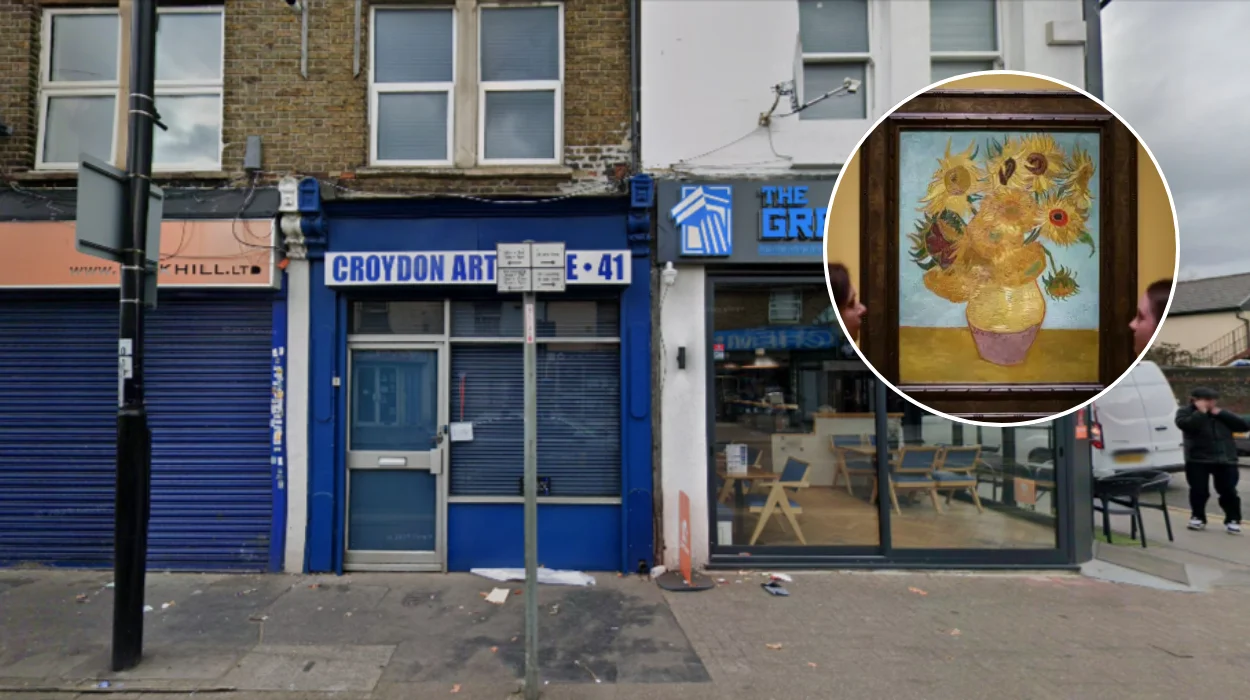
Croydon (South London News) February 7, 2026 – Replicas of iconic masterpieces by Vincent van Gogh, Caravaggio, Monet, and Picasso have been strapped to a park fence in Croydon, marking the launch of The National Gallery’s innovative Art On Your Doorstep exhibition in South London. This free programme, the first of its kind in the capital, transforms everyday public spaces into temporary galleries from February 3 until July 5. Selected as one of 12 UK locations, Croydon offers residents an unexpected encounter with art history amid familiar surroundings.
- Key Points
- What Is The National Gallery: Art On Your Doorstep?
- Why Was Croydon Chosen as the First London Location?
- Which Masterpieces Are Featured in Croydon?
- How Does the Exhibition Place Art in Everyday Spaces?
- What Is the Duration and Accessibility of the Croydon Displays?
- Who Are the Artists and Why Do They Matter?
- What Reactions Have Locals and Experts Given?
- How Does This Fit into Broader UK Cultural Trends?
- What Are the Logistics and Safety Measures?
- Why Use Replicas Instead of Originals?
- What Impact Might This Have on Croydon’s Community?
- How Can Visitors Maximise Their Experience?
- What Lies Ahead for the Programme?
What Is The National Gallery: Art On Your Doorstep?
The National Gallery: Art On Your Doorstep is a nationwide initiative designed to bring replicas of treasured artworks out of museum walls and into community environments. As reported in the original coverage by MyLondon, a South London news outlet, the programme places high-quality facsimiles of masterpieces in surprising urban and rural spots to foster greater public appreciation.
These replicas, meticulously crafted to mirror the originals, include works by some of history’s most revered artists. Van Gogh’s swirling landscapes, Caravaggio’s dramatic chiaroscuro lighting, Monet’s impressionistic water lilies, and Picasso’s cubist innovations now appear in places least expected, such as park fences in Croydon. The exhibition runs across 12 diverse UK locations, with Croydon proudly hosting the first London edition, underscoring the borough’s cultural vibrancy.
Why Was Croydon Chosen as the First London Location?
Croydon’s selection highlights its dynamic community spirit and central role in South London culture. According to the MyLondon article, the borough was picked to kick off the London phase, reflecting its accessibility and diverse population eager for cultural enrichment. This choice aligns with the programme’s goal of embedding art in everyday life, making it free and open to all.
The decision also taps into Croydon’s reputation as a hub for innovative public projects. By starting here, The National Gallery signals confidence in the area’s ability to embrace and amplify such initiatives. Local leaders have welcomed the move, viewing it as a boost to community pride and tourism.
Which Masterpieces Are Featured in Croydon?
Visitors to Croydon parks will encounter replicas of Van Gogh’s emotive Sunflowers and Wheat Field with Cypresses, Caravaggio’s intense Supper at Emmaus, Monet’s serene Water-Lilies, and Picasso’s groundbreaking Les Demoiselles d’Avignon. These selections, drawn from The National Gallery’s collection, represent pivotal moments in art history, from post-impressionism to modernism.
As detailed in the MyLondon report, the replicas are weather-resistant and securely mounted, ensuring durability through July 5. Each piece includes interpretive plaques explaining its significance, artist background, and historical context, enhancing educational value for passers-by.
How Does the Exhibition Place Art in Everyday Spaces?
The core innovation lies in subverting expectations of where art belongs. Rather than sterile gallery halls, these works adorn park fences, bus stops, and high streets in Croydon. MyLondon’s coverage emphasises how this setup invites spontaneous interactions—joggers pausing mid-stride, families picnicking nearby, or school groups sketching en plein air.
This approach democratises culture, removing barriers like entry fees or travel to central London. The National Gallery aims to spark conversations about art’s relevance today, proving it thrives beyond elite institutions. Similar placements in other UK sites, from Scottish villages to northern towns, create a tapestry of accessible beauty.
What Is the Duration and Accessibility of the Croydon Displays?
The Croydon exhibition commences on February 3, 2026, and continues until July 5, spanning five months of free public viewing. Locations are mapped online via The National Gallery’s website, with QR codes on-site linking to virtual tours and artist biographies. No tickets are required, aligning with the programme’s inclusive ethos.
Weather permitting, the displays operate dawn to dusk, ensuring safety and visibility. The extended timeline allows seasonal changes to frame the art naturally—spring blossoms alongside Monet, summer sun on Van Gogh—enhancing immersion.
Who Are the Artists and Why Do They Matter?
Vincent van Gogh, the tormented Dutch post-impressionist, captivates with his bold colours and emotional depth, as seen in his park-strapped replicas. Caravaggio, the baroque master of light and shadow, brings raw drama to Croydon’s greenery. Claude Monet’s impressionism dissolves boundaries between art and nature, while Pablo Picasso’s cubism challenges perceptions of form.
These artists, housed in The National Gallery’s collection, have shaped global aesthetics. By replicating their works locally, the exhibition bridges centuries, inviting modern audiences to engage directly.
What Reactions Have Locals and Experts Given?
Early feedback from Croydon residents has been overwhelmingly positive, with social media buzzing about the “fence gallery.” As per MyLondon’s on-the-ground reporting, passers-by expressed delight at stumbling upon Van Gogh during dog walks. Art educators praise the initiative for inspiring youth, potentially increasing gallery visits.
Experts, including National Gallery curators, note rising public interest in such pop-up formats post-pandemic. One unnamed curator highlighted how replicas preserve originals while expanding reach, a sentiment echoed in broader UK arts discourse.
How Does This Fit into Broader UK Cultural Trends?
This exhibition reflects a surge in outdoor, community-led arts initiatives across Britain. From Liverpool’s street murals to Bristol’s upcycled sculptures, placing culture in public realms counters declining museum footfall. Croydon’s role amplifies South London’s creative renaissance, alongside projects like the nearby Dulwich Picture Gallery’s outreach.
The National Gallery’s strategy also addresses equity, bringing Trafalgar Square treasures to underrepresented areas. With 12 sites nationwide, it fosters a shared cultural narrative.
What Are the Logistics and Safety Measures?
Replicas are produced using advanced printing on durable, UV-protected canvases, strapped securely to fences with non-invasive fixings. The National Gallery collaborates with local councils for site approvals, minimising disruption. Maintenance teams conduct weekly checks, ensuring longevity through summer.
Public safety is paramount; displays avoid high-traffic zones and include signage discouraging touching. Lost or damaged items prompt swift replacements, maintaining the exhibition’s integrity.
Why Use Replicas Instead of Originals?
Replicas safeguard irreplaceable originals from weather and vandalism while offering near-identical visual impact. High-fidelity technology captures brushstrokes and textures, fooling even experts at a glance. This pragmatic choice maximises outreach without risking heritage assets.
Curators argue replicas lower psychological barriers, easing newcomers into art appreciation before encouraging visits to the real collections.
What Impact Might This Have on Croydon’s Community?
Local businesses anticipate footfall boosts, with cafes near parks promoting “art walks.” Schools integrate the displays into curricula, fostering creativity. Long-term, it could elevate Croydon’s cultural profile, attracting events and funding.
Residents foresee strengthened community bonds, as shared discoveries spark neighbourly chats. In a borough known for diversity, this unifies through universal art.
How Can Visitors Maximise Their Experience?
Download The National Gallery app for audio guides and augmented reality overlays. Join free guided walks announced locally. Photograph ethically and share with #ArtOnYourDoorstep to join the national conversation.
Combine visits with Croydon’s attractions like the Museum of Croydon or Boxpark street food.
What Lies Ahead for the Programme?
Post-Croydon, the exhibition rolls out to other London boroughs and beyond, with evaluations shaping future iterations. Success metrics include engagement data and attendance spikes at main galleries. The National Gallery eyes permanence for select replicas.