Key Points
- Over 300 Metropolitan Police officers conducted coordinated raids on 15 homes across Merton in South London on Thursday, February 5, 2026.
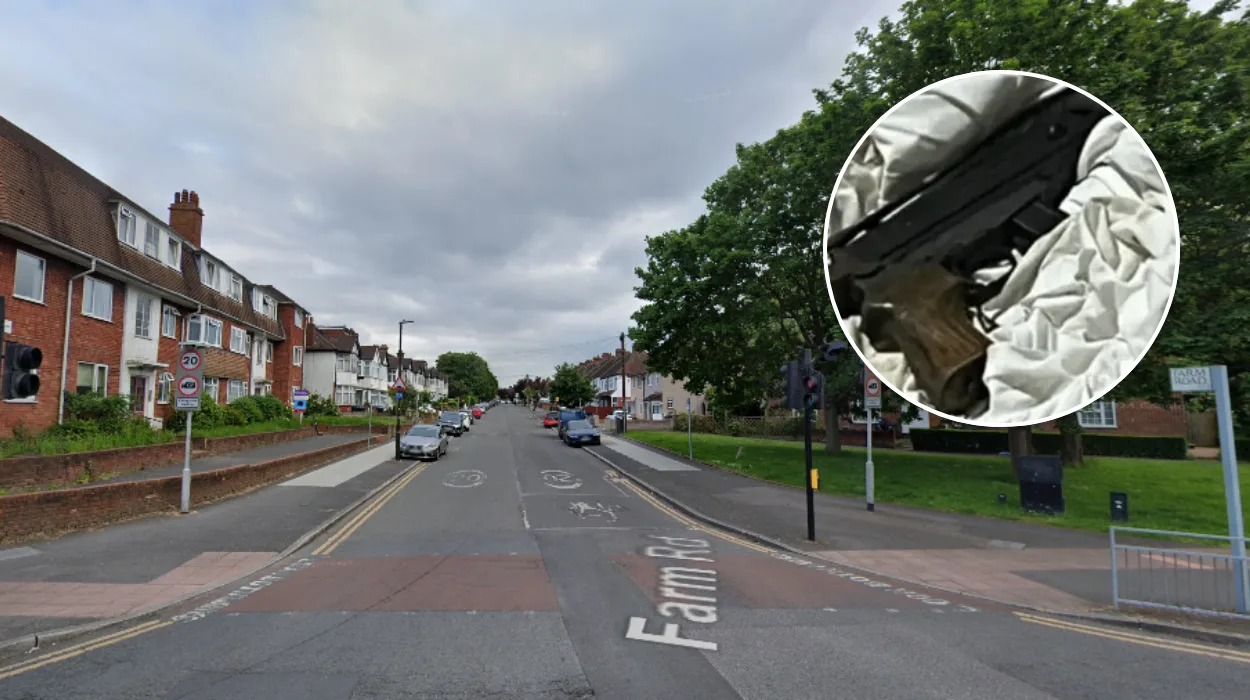
- Authorities seized five guns, a samurai sword, Class A and B drugs, huge amounts of cash, and two high-powered surveillance bikes.
- Twenty-three people were arrested on suspicion of drug dealing, possession of firearms, possession of offensive weapons, possession of criminal property, and modern-day slavery offences.
- Two addresses received Closure Notices to prevent further criminal use of the premises and mitigate risks of ongoing offending.
- The operation targeted intelligence indicating serious criminality, including drug dealing, serious violence, and cuckooing (exploiting vulnerable individuals’ homes for criminal activity).
- Operation lead Inspector Kevin Chambers highlighted the involvement of police constables, rapid-entry specialists, dog units, the Territorial Support Group, and custody teams.
- Inspector Chambers emphasised disrupting supply chains and criminal networks causing violence, fear, and intimidation.
- The Metropolitan Police reported recent figures showing a decline in serious violence and record-low homicides in London.
- Detective Superintendent Ian Cameron noted the raids disrupt drug networks fuelling serious violence and protect vulnerable people.
- Police encouraged public reporting of local criminality via 999 for emergencies, 101 for non-emergencies, or anonymously through Crimestoppers on 0800 555 111.
Merton, South London (South London News) February 7, 2026 – In a major crackdown, more than 300 Metropolitan Police officers raided 15 homes across Merton, uncovering five guns, a samurai sword, Class A and B drugs, substantial cash sums, and two high-powered surveillance bikes. Twenty-three individuals faced arrest on suspicion of drug dealing, firearms possession, offensive weapons, criminal property, and modern-day slavery offences, as part of an intelligence-led operation targeting entrenched criminal networks.
- Key Points
- What Triggered the Massive Police Raids in Merton?
- Who Led the Operation and What Forces Were Involved?
- What Exactly Did Police Seize During the Raids?
- How Many People Were Arrested and for What Offences?
- What Are Closure Notices and Why Were They Issued?
- What Is the Broader Impact on Violence in London?
- Who Is Inspector Kevin Chambers and What Is His Role?
- What Is Cuckooing and Why Does It Matter Here?
- How Does This Fit Into Met Police’s Recent Successes?
- What Should Residents Do If They Suspect Criminality?
- When and Where Exactly Did the Raids Take Place?
- Why Was This Operation So Large-Scale?
What Triggered the Massive Police Raids in Merton?
Police acted on information pointing to serious criminality at the targeted addresses, including drug dealing, serious violence, and cuckooing, where criminals exploit vulnerable people by using their homes for illicit activities. As detailed in the MyLondon News coverage, the operation aimed to sever supply chains linked to violence and intimidation across London.
Two addresses immediately received Closure Notices, a legal measure to deny criminals access to the premises and curb further offending. This swift action underscores the Metropolitan Police’s proactive stance in reclaiming neighbourhoods from organised crime.
The scale of the raids—over 300 officers—demonstrates a unified effort to dismantle networks preying on communities.
Who Led the Operation and What Forces Were Involved?
Operation lead Inspector Kevin Chambers described the raids as “a coordinated show of strength and precision.” As reported by MyLondon News, Inspector Chambers of the Metropolitan Police stated:
“The operation unfolded with the power of over 300 officers working in unison — police constables, rapid-entry specialists, dog units, the Territorial Support Group and custody teams.”
Inspector Chambers further noted:
“This is a significant step in cutting the supply chains and criminal networks that inflict serious violence, fear, and intimidation across our city.”
He highlighted the role of Safer Neighbourhood Teams in intensifying manhunts and seizing illegal cash, guns, and ammunition, adding:
“Our Safer Neighbourhood Teams are ramping up activity — carrying out more manhunts and seizing more illegal cash, guns, and ammunition — because this criminality tears families apart. I hope this activity shows our relentlessness in taking the fight to those responsible.”
Inspector Chambers reaffirmed commitment to community-focused policing:
“We are committed to community crime fighting and targeting offenders who seek to cause harm or exploit vulnerable people. In addition to today’s activity, we have undertaken several pre-planned operations to target criminality and reduce violence and will continue to do so.”
What Exactly Did Police Seize During the Raids?
The haul included five firearms, a samurai sword classified as an offensive weapon, quantities of Class A and B drugs, large amounts of cash believed to represent criminal proceeds, and two high-powered surveillance bikes used likely for scouting or evasion. MyLondon News reported these items were recovered from the 15 addresses in Merton, a borough in South London plagued by gang-related issues.
No specific values for the cash or drug quantities were disclosed in initial reports, but the “huge amounts” suggest significant financial gains from illegal trade. The samurai sword and guns highlight the dangerous weaponry circulating in residential areas.
These seizures form part of broader efforts to disrupt organised crime groups operating in the capital.
How Many People Were Arrested and for What Offences?
Twenty-three people—details on ages, genders, or nationalities not yet released—were taken into custody. Arrests covered a spectrum of suspected crimes: drug dealing, possession of firearms, possession of offensive weapons like the samurai sword, possession of criminal property (the cash), and modern-day slavery offences, which often involve coercion and exploitation.
MyLondon News confirmed all 23 remain in custody as enquiries continue, with no charges filed at the time of reporting. This multi-faceted approach addresses interconnected crimes, from narcotics to human trafficking.
What Are Closure Notices and Why Were They Issued?
Closure Notices are emergency orders under the Anti-social Behaviour, Crime and Policing Act 2014, allowing police to shut premises for up to 48 hours initially, extendable by court order up to three months (or six in serious cases). In this instance, two Merton addresses were hit with notices to “mitigate the risk of further offending and deny criminals the use of premises,” per MyLondon News.
These measures protect residents and prevent properties from serving as hubs for crime, particularly cuckooing, where addicts or vulnerable individuals are forced to host dealers.
What Is the Broader Impact on Violence in London?
Detective Superintendent Ian Cameron provided insight into the operation’s significance. As reported by MyLondon News, Detective Superintendent Ian Cameron of the Metropolitan Police added:
“Drug networks fuel serious violence and today’s coordinated operation disrupts those drivers head-on. We’re protecting vulnerable people who are exploited within these networks, acting on the concerns of our communities and staying firmly committed to safer streets.”
The Met released figures last month showing sustained success: serious violence down across the capital, with homicides at a record low. This Merton operation aligns with that trend, building on pre-planned actions to reduce harm.
Inspector Chambers echoed this, positioning the raids as part of relentless community protection efforts.
Who Is Inspector Kevin Chambers and What Is His Role?
Inspector Kevin Chambers serves as the lead for this specialist operation within the Metropolitan Police’s efforts against serious organised crime. His statements, as covered extensively by MyLondon News, reveal a hands-on leader coordinating diverse units from entry teams to support staff.
Chambers’ emphasis on “relentlessness” reflects a shift towards intelligence-driven, high-impact policing in South London boroughs like Merton, where gang violence has historically strained resources.
What Is Cuckooing and Why Does It Matter Here?
Cuckooing involves criminals “cuckooing” into vulnerable people’s homes—often those with drug dependencies—for storing drugs, weapons, or running operations. Intelligence for these raids flagged this practice alongside drug dealing and violence, prompting the multi-agency response.
By targeting such activity, police aim to safeguard at-risk individuals, many from marginalised communities, from exploitation.
How Does This Fit Into Met Police’s Recent Successes?
The Met’s data, referenced in the MyLondon report, indicates progress: serious violence declining and homicides at historic lows as of January 2026. Operations like this contribute by choking drug supply lines that fund knives and guns on streets.
Detective Superintendent Cameron stressed community responsiveness: acting on local concerns to foster safer environments.
What Should Residents Do If They Suspect Criminality?
Police urge vigilance. MyLondon News quoted the Met:
“If you have any concerns about criminal activity in your local area then please come forward to police, you can dial 999 in an emergency or 101 to report a crime. You can also call Crimestoppers on 0800 555 111 to remain anonymous.”
This call-to-action empowers Merton’s residents, signalling ongoing commitment beyond one raid.
When and Where Exactly Did the Raids Take Place?
Raids struck 15 homes in Merton on Thursday, February 5, 2026—specific streets undisclosed to protect investigations. The operation’s timing followed fresh intelligence, maximising surprise against suspects.
Merton, with its mix of suburban areas and urban challenges, has seen rising concerns over gangs, making this a pivotal local story.
Why Was This Operation So Large-Scale?
The 300-officer mobilisation—unusual for residential warrants—ensured safety and thoroughness against armed suspects. Inspector Chambers, as per MyLondon News, praised the “unison” of units, from dogs sniffing drugs to rapid-entry for forced access.
This precision minimised risks to officers and public while maximising disruptions.