Grove Lane in South London stands as a quiet testament to the area’s layered past, tucked away in the SE5 postcode of Camberwell. This unassuming street weaves through Camberwell’s residential heart, offering locals a blend of Victorian charm and modern community vibes.
- A Walk Through Grove Lane’s Origins
- Architectural Highlights Along the Lane
- Grove Lane’s Place in Camberwell’s History
- Community Life on Grove Lane Today
- Nearby Green Spaces and Recreation
- Cultural and Artistic Connections
- Getting Around from Grove Lane
- Property and Living in Grove Lane
- Local Shops, Eats, and Hidden Gems
- Schools and Family-Friendly Features
- Health and Wellbeing Nearby
- Events and Annual Highlights
- Why Grove Lane Endures as Evergreen South London
A Walk Through Grove Lane’s Origins
Grove Lane traces its roots to the 18th century, emerging from Camberwell’s rural landscape before London’s sprawl enveloped it. Originally part of ancient manor lands, the lane bordered orchards and groves that gave it its name, serving as a vital link between Camberwell Green and surrounding hamlets.
By the early 19th century, as South London industrialized, Grove Lane evolved from farmland paths into a proper road lined with Georgian cottages. Records show it hosted smallholders and artisans, reflecting Camberwell’s shift from agriculture to suburban living.
Today, the lane retains that intimate scale, with narrow pavements ideal for strolling.
Architectural Highlights Along the Lane
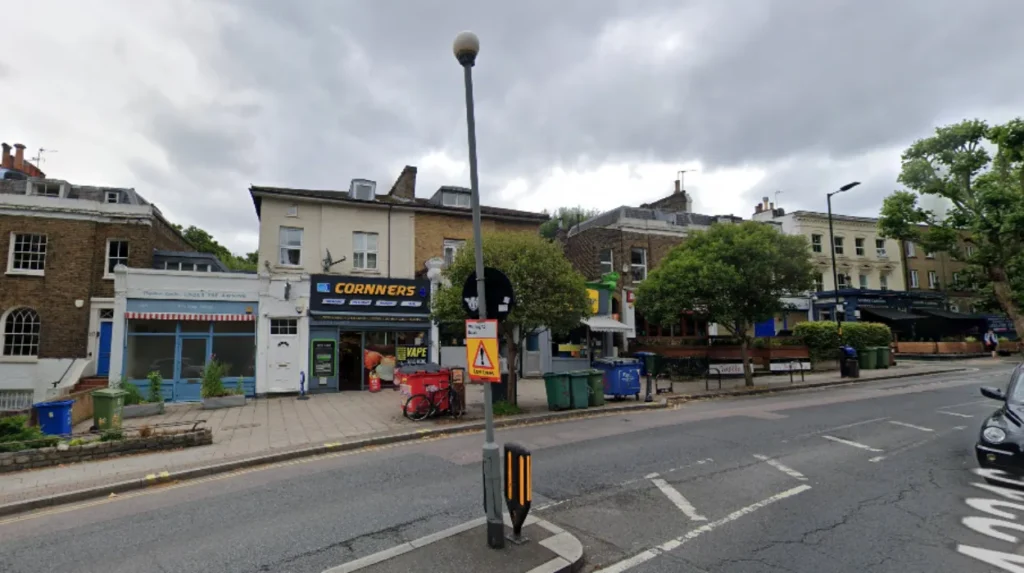
Victorian terraces dominate Grove Lane, their red-brick facades and sash windows capturing South London’s housing boom era. Many homes date to the 1870s, built for the growing middle class commuting to the City via newly opened rail lines.
Notable spots include the Grade II-listed buildings near the lane’s eastern end, featuring ornate iron railings and stucco details. These structures echo the speculative building frenzy that transformed Camberwell into a desirable borough.
Modern adaptations blend seamlessly, with subtle extensions preserving the street’s cohesive look.
- Period features like original fireplaces and cornicing in many homes.
- Quiet mews at the rear, once stables, now trendy conversions.
- Street trees—London planes and limes—adding seasonal greenery.
Grove Lane’s Place in Camberwell’s History
Camberwell, encompassing Grove Lane, boasts a history predating Roman times, with archaeology uncovering Iron Age settlements nearby. The name “Camberwell” derives from an ancient well on Camberwell Green, a short walk from the lane, once revered for its healing waters.
During the medieval period, the area fell under the Archbishop of Canterbury’s Lambeth Palace estate, which owned much of Grove Lane’s surroundings. By Tudor times, it was a retreat for Londoners escaping plague, with inns dotting paths like Grove Lane.
The 19th-century arrival of the Peckham and Dulwich railways turned Camberwell into a bustling suburb, boosting Grove Lane’s profile.
Community Life on Grove Lane Today
Residents cherish Grove Lane for its village-like feel amid urban bustle. It’s a family-friendly spot, with kids cycling to local primaries like Crawford Primary School nearby.
Local events foster tight-knit bonds—summer street parties and Christmas lights displays light up the lane annually. Camberwell’s vibrant food scene spills over, with Grove Lane folk frequenting spots like Theo’s Pizzeria or the nearby Camberwell Arms pub.
Diversity thrives here, mirroring South London’s multicultural fabric, with shops on Camberwell Church Street offering global cuisines just minutes away.
Nearby Green Spaces and Recreation
Grove Lane borders several pockets of nature, starting with Camberwell Old Cemetery at its end—a peaceful Victorian burial ground turned wildlife haven. Birdwatchers spot woodpeckers amid its overgrown paths.
Ruskin Park, a five-minute walk, provides playgrounds, tennis courts, and gardens designed by Capability Brown’s influence. It’s perfect for picnics overlooking the city skyline.
Larger escapes like Peckham Rye Park draw Grove Lane locals for park runs and festivals.
- Camberwell Old Cemetery: 33 acres of biodiversity.
- Ruskin Park: Formal rose gardens and war memorial.
- Myatt’s Fields: Community allotments nearby.
Cultural and Artistic Connections
Camberwell’s art legacy enriches Grove Lane life. The Camberwell College of Arts, part of the University of the Arts London, sits close by, its alumni including Turner Prize winners.
Grove Lane itself inspires artists—its quiet facades feature in local sketches and photos. The South London Gallery, a quick bus ride away, hosts contemporary exhibits that draw neighborhood crowds.
Street art peppers Camberwell, with murals on walls near Grove Lane celebrating Black history and local heroes.
Getting Around from Grove Lane
Connectivity shines for Grove Lane dwellers. Camberwell’s bus network links to central London in under 30 minutes via routes 12, 35, and 185.
Denmark Hill station, 10 minutes’ walk, offers Overground and Thameslink services to Victoria or Blackfriars. Cycling hubs make Grove Lane bike-friendly, with Quietway routes nearby.
Driving suits short trips, with easy access to the A205 South Circular.
Property and Living in Grove Lane
Homes on Grove Lane command premiums for their period appeal—average prices hover around £800,000 for three-beds. Buyers seek the blend of history and convenience.
Rental yields attract investors, with two-beds fetching £2,200 monthly. The street’s low crime and high walkability boost desirability.
Renovation tips abound: Preserve original floorboards, add skylights for light.
Local Shops, Eats, and Hidden Gems
Grove Lane’s proximity to Camberwell Church Street delivers daily essentials. Sainsbury’s Local stocks fresh produce, while delis like Franklins Farm offer artisanal cheeses.
Eateries tempt with variety:
- Camberwell Arms: Gastropub with Sunday roasts.
- Morley’s fried chicken: Iconic South London fast food.
- Cafe Village: Lebanese mezze for casual lunches.
Hidden gems include the lane’s own community garden, where volunteers grow herbs for neighbors.
Schools and Family-Friendly Features
Excellent education options surround Grove Lane. State schools like Sacred Heart Catholic Primary rate “Outstanding” by Ofsted.
Comprehensives such as Harris Academy Peckham provide strong GCSE results. Private choices like James Allen’s Girls’ School lie nearby in Dulwich.
Playgrounds dot the area, with after-school clubs at local leisure centers.
Health and Wellbeing Nearby
Grove Lane benefits from King’s College Hospital at Denmark Hill, a leading NHS trauma center. GP surgeries like Camberwell Green Practice serve the street directly.
Fitness thrives at Camberwell Leisure Centre, offering pools and gyms. Yoga studios and running groups keep wellness routines accessible.
Events and Annual Highlights
Grove Lane joins Camberwell’s calendar of fun. The Camberwell Arts Festival in summer showcases open studios and markets.
Peckham Levels hosts music nights, reachable on foot. Christmas markets on Camberwell Green light up winter evenings.
Why Grove Lane Endures as Evergreen South London
Grove Lane captures South London’s essence—historic roots, diverse community, and everyday joys. It’s not flashy like Brixton but rewards those who call it home with authenticity.
For newcomers, it’s an entry to Camberwell’s creative pulse; for locals, a constant in flux. Whether tracing its grove-named past or enjoying modern perks, Grove Lane invites exploration.