Key Points
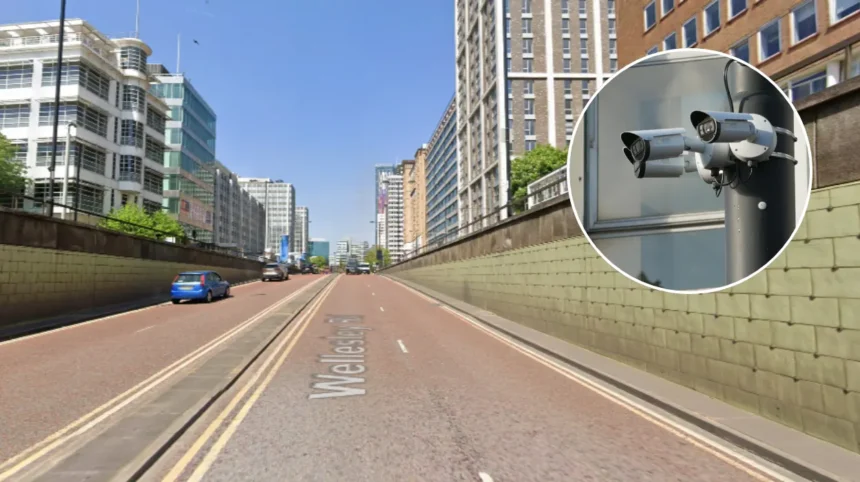
- Croydon Council has installed 15 new mobile CCTV cameras in areas plagued by fly-tipping, drug dealing, knife crime, and antisocial behaviour.
- The initiative forms part of Mayor Jason Perry’s efforts to combat crime and antisocial behaviour across the borough.
- Mayor Perry visited the Tamworth Estate in central Croydon to inspect the cameras in operation.
- Kian Patel, a Tamworth Estate resident, expressed optimism, calling the cameras “great”.
- Abdillahi Mohamed, 18, a frequent visitor to the Tamworth area due to family ties, feels safer but notes it “feels like I’m being watched”.
- Cameras are deployed in Selhurst, Broad Green, Woodside, Thornton Heath, South Norwood, East Croydon, West Croydon, and the town centre, plus several housing estates.
- One camera overlooks Winterborne Road’s entrance to Thornton Heath Recreation Ground, targeting late-night disturbances and drug use.
- The move builds on a 4.1 per cent decrease in overall crime last year, from 38,102 to 36,519 offences.
- Data from the Love Clean Streets reporting system identifies fly-tipping hotspots for camera placement to gather video evidence.
- Kelly Gater, Chair of the Tamworth Estate Residents Association, described the initiative as “wonderful news” and thanked all involved for addressing concerns.
- A Croydon Council statement highlights residents welcoming the cameras as a positive step for safety on housing estates.
- Mayor Perry affirmed his commitment to ensuring Croydon is no longer an easy target for lawbreakers.
Croydon (South London News) February 10, 2026 – Croydon Council has rolled out 15 new mobile CCTV cameras targeting hotspots of fly-tipping, drug dealing, knife crime, and antisocial behaviour, as residents voice cautious optimism about enhanced safety. Mayor Jason Perry personally inspected the installations during a visit to the Tamworth Estate in central Croydon, underscoring his administration’s pledge to curb crime in the borough. This deployment leverages data from resident reports and builds on a recent dip in overall offences.
- Key Points
- Why Were the CCTV Cameras Installed?
- What Do Residents Think of the New Cameras?
- How Does This Fit into Mayor Perry’s Plans?
- Where Exactly Are the Cameras Located?
- Has Crime Decreased Already?
- What Role Does Love Clean Streets Play?
- Are There Privacy Concerns?
- How Will the Cameras Help Police and Council?
- What’s Next for Croydon’s Crime Fight?
Why Were the CCTV Cameras Installed?
The cameras address persistent resident complaints about fly-tipping, drug dealing, knife crime, and other antisocial issues in high-risk areas. As detailed in the council’s announcement, they will supply vital footage to aid both the council and police in identifying and prosecuting perpetrators. Locations include Selhurst, Broad Green, Woodside, Thornton Heath, South Norwood, East Croydon, West Croydon, and the town centre, with additional units on housing estates reporting ongoing problems.
One specific site features a camera overlooking Winterborne Road’s entrance to Thornton Heath Recreation Ground. Residents there have repeatedly flagged late-night disturbances and drug use, prompting this targeted placement. The council utilises the Love Clean Streets reporting system to pinpoint fly-tipping hotspots, ensuring cameras capture video evidence for investigations.
This initiative follows a 4.1 per cent reduction in borough-wide crime last year, with offences falling from 38,102 to 36,519. The deployment aims to sustain and build on this progress by deterring criminal activity through visible surveillance.
What Do Residents Think of the New Cameras?
Local reactions blend hope with mild reservations, as captured in direct resident testimonials. Kian Patel, who lives on the Tamworth Estate, told East London Lines:
“I’m very optimistic…I think it’s great.”
His enthusiasm reflects broader sentiment that the cameras mark progress in tackling longstanding issues.
Abdillahi Mohamed, 18, a frequent visitor to the Tamworth area due to family ties, agreed the new camera makes him feel “safe”. However, he added a note of caution:
“it feels like I’m being watched”.
This duality highlights privacy concerns amid the push for security.
Kelly Gater, Chair of the Tamworth Estate Residents Association, praised the move unequivocally. She said it was “wonderful news” and added:
“We are grateful that everyone has worked together and that our concerns have been heard.”
A Croydon Council statement further quotes several residents welcoming the change as a positive step towards improving safety on housing estates.
How Does This Fit into Mayor Perry’s Plans?
Mayor Jason Perry’s visit to the Tamworth Estate signalled strong personal backing for the project. He stated his commitment to ensuring Croydon is no longer seen as an easy target for those intent on breaking the law. This aligns with his broader bid to tackle crime and antisocial behaviour across the borough.
The cameras represent a practical extension of Perry’s priorities, focusing on resident-reported trouble spots. By integrating surveillance with police collaboration, the council seeks proactive enforcement rather than reactive measures.
Where Exactly Are the Cameras Located?
Strategic placement covers diverse hotspots. Beyond the town centre wards—Selhurst, Broad Green, Woodside, Thornton Heath, South Norwood, East Croydon, and West Croydon—units protect housing estates facing repeated antisocial behaviour. The Winterborne Road camera at Thornton Heath Recreation Ground exemplifies this precision, directly addressing complaints of disturbances and drug activity.
These sites were selected using resident feedback via Love Clean Streets, ensuring cameras hit fly-tipping and other problem areas. Mobile units allow flexibility to shift as needs evolve, maximising impact.
Has Crime Decreased Already?
Croydon recorded a 4.1 per cent drop in overall crime last year, reducing offences from 38,102 to 36,519. This baseline success informs the CCTV rollout, which aims to reinforce downward trends through evidence-based policing. Footage from the new cameras will support investigations, potentially accelerating prosecutions.
While specific post-installation data remains pending, the council anticipates further declines by deterring opportunists in monitored zones. Early resident feedback suggests heightened public confidence could amplify these effects.
What Role Does Love Clean Streets Play?
The Love Clean Streets platform empowers residents to report fly-tipping and other issues directly. Croydon Council analyses this data to identify hotspots, guiding camera deployments for irrefutable video evidence. This community-driven approach ensures resources target verified problems.
By linking reports to surveillance, the system closes the loop from complaint to action. It exemplifies how digital tools enhance traditional enforcement in modern local governance.
Are There Privacy Concerns?
Abdillahi Mohamed’s comment—“it feels like I’m being watched”—echoes a common tension between security and surveillance. While most residents, like Kian Patel and Kelly Gater, applaud the cameras, the sense of constant monitoring persists for some. The council maintains that footage serves investigative purposes only, with safeguards under data protection laws.
Mobile units’ temporary nature may mitigate long-term unease, allowing relocation as threats shift. Balancing deterrence with resident comfort remains key to sustained support.
How Will the Cameras Help Police and Council?
The primary benefit lies in actionable footage identifying perpetrators of fly-tipping, drug dealing, knife crime, and disturbances. This evidence bolsters council prosecutions and police cases, streamlining affirmative action. Past crime reductions suggest such tools yield results when paired with resident intelligence.
At Tamworth Estate and beyond, cameras deter would-be offenders while enabling swift responses. Mayor Perry’s oversight ensures alignment with borough-wide safety goals.
What’s Next for Croydon’s Crime Fight?
Building on last year’s 4.1 per cent crime fall, the council eyes ongoing evaluation of camera efficacy. Resident associations like Kelly Gater’s will likely provide feedback loops, refining deployments. Mayor Perry’s vow positions Croydon as resolute against lawbreakers, potentially inspiring similar measures elsewhere.
Success hinges on integration—data from Love Clean Streets, resident input, and inter-agency cooperation. If effective, this could solidify Croydon’s trajectory towards safer streets.