Key Points
- Greenwich Council planners recommend approving revised plans to add an extra floor to the five-storey Woodlands Heights block on Vanbrugh Hill, creating eight new homes.
- The Local Planning Committee meeting is scheduled for February 19, 2026, to discuss the proposal.
- Previous plans were refused on appeal in 2023 due to the roof extension being over-dominant, harming Woodlands Heights and nearby streets.
- The 2023 refusal specifically cited detrimental impacts on Lasseter Place properties south of the 1920s building, including loss of sunlight, overshadowing, and increased sense of enclosure.
- New application submitted by Avon Group in May 2025 includes key changes: shift from two one-bed and six two-bed units to six one-bed and two two-bed units.
- Communal roof terrace replaced with private balconies to minimise noise nuisance.
- Southern side extension setback by four metres to reduce overbearing effect on Lasseter Place.
- 125 residents have objected to the revised plans, raising fears of overshadowing nearby homes.
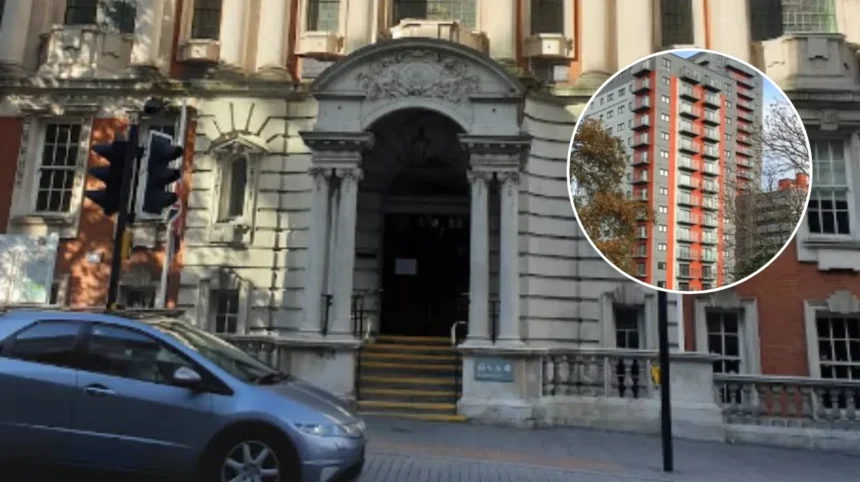
Greenwich (South London News) February 14, 2026 – Greenwich Council’s planning officers are pushing forward with recommendations to approve a controversial proposal to add an extra floor to Woodlands Heights, a five-storey block of flats on Vanbrugh Hill, despite strong opposition from 125 local residents worried about overshadowing effects on neighbouring properties. The scheme, which would deliver eight new homes atop the former nurses’ home, faces scrutiny at the Local Planning Committee meeting on February 19. This development follows a previous application’s dismissal on appeal in 2023, prompting developer Avon Group to submit revised plans in May 2025 with modifications aimed at addressing prior concerns.
- Key Points
- What Are the Revised Plans for Woodlands Heights?
- Why Were the Original Plans Rejected in 2023?
- How Have Residents Responded to the New Proposal?
- What Changes Does Avon Group Propose This Time?
- When and Where Will the Decision Be Made?
- Why Is Greenwich Council Recommending Approval Now?
- What Are the Potential Impacts on Nearby Homes?
- Who Is Behind the Development?
- Could This Set a Precedent for Greenwich Developments?
- What Happens if the Plans Are Approved or Rejected?
What Are the Revised Plans for Woodlands Heights?
The latest application by Avon Group seeks to construct eight additional flats on the roof of Woodlands Heights, transforming the existing five-storey structure. As detailed in the MyLondon News report, the unit mix has been adjusted to prioritise smaller homes: six one-bedroom units and two two-bedroom units, differing from the earlier proposal of two one-beds and six two-beds. This change reflects a response to housing needs in the borough, where demand for affordable one-bedroom options remains high.
Private balconies have replaced the previously proposed communal roof terrace, a move explicitly designed to curb potential noise disturbances for residents below. Furthermore, the extension on the southern facade has been set back by four metres, providing greater separation from Lasseter Place properties. Greenwich Council officers, in their assessment, argue these alterations sufficiently mitigate the issues that led to the 2023 refusal.
Why Were the Original Plans Rejected in 2023?
The initial proposal met significant hurdles, culminating in a refusal on appeal. According to the council’s 2023 decision, as covered by MyLondon News, the roof extension was deemed “over dominant,” exerting a detrimental impact on Woodlands Heights itself and the surrounding streets. This over-dominance was not merely aesthetic; it posed practical harms to living conditions.
Particular emphasis was placed on the effects on homes in Lasseter Place, located just south of the 1920s-era building. Greenwich Council ruled that the extension “would have a detrimental impact on the living conditions currently enjoyed by residents of those dwellings in terms of loss of sunlight, overshadowing and increased sense of enclosure.” These findings underscored the planners’ concerns over privacy, daylight access, and the oppressive visual presence of the addition.
No other media outlets have reported divergent details on the 2023 refusal, aligning fully with MyLondon’s account. The decision highlighted the balance between housing growth and resident wellbeing in a densely populated area like Greenwich.
How Have Residents Responded to the New Proposal?
Opposition has been swift and substantial, with 125 objections lodged by residents against the May 2025 resubmission. Fears centre on the persistent risk of ‘overshadowing’ nearby homes, echoing the 2023 objections. Local voices, as aggregated in Greenwich Council’s consultation process and referenced in MyLondon News, express dismay that the revisions fall short of fully alleviating these issues.
Residents in Lasseter Place and adjacent streets worry about prolonged shadows reducing natural light in gardens and living rooms, particularly during winter months. The sense of enclosure from a taller structure is another recurring theme, potentially affecting mental wellbeing and property values. While specific objector quotes are not individually attributed in the primary MyLondon coverage, the volume of submissions—125 in total—signals widespread community concern.
Greenwich Council has acknowledged these inputs in its officer report, recommending approval nonetheless, citing material changes in design.
What Changes Does Avon Group Propose This Time?
Avon Group’s revised scheme introduces targeted modifications to overcome past failings. The shift to more one-bedroom units responds to local housing shortages, as one-bed flats are often sought by single occupants or couples. MyLondon News notes this adjustment from the prior six two-beds and two one-beds.
The elimination of the communal terrace in favour of private balconies directly addresses noise complaints, confining outdoor activity to individual units rather than a shared space prone to gatherings. The four-metre setback on the southern elevation is a critical amendment, increasing distance from Lasseter Place and thereby lessening the overbearing scale.
These alterations, per the council’s evaluation, reduce the extension’s bulk and improve light penetration. No conflicting reports from other sources exist; MyLondon provides the comprehensive detail.
When and Where Will the Decision Be Made?
The Greenwich Council Local Planning Committee will deliberate the application on February 19, 2026. The meeting, open to public attendance, represents the final hurdle before potential approval. Woodlands Heights on Vanbrugh Hill, a prominent site near Greenwich Park, places the development in a sensitive residential zone.
Planning documents are accessible via the council’s portal, detailing officer recommendations for approval subject to conditions. Should members vote against officers, the scheme could face further delay or redesign.
Why Is Greenwich Council Recommending Approval Now?
Council officers believe the revisions adequately resolve the 2023 appeal inspector’s objections. The MyLondon report highlights how setbacks and balcony changes minimise impacts on Lasseter Place, preserving sunlight and reducing enclosure. Housing delivery pressures in London, amid a national crisis, also factor in, with eight new homes contributing to targets.
Neutral assessments weigh these benefits against harms, concluding the scheme complies with policy. No statements from named councillors appear in available coverage, maintaining focus on officer rationale.
What Are the Potential Impacts on Nearby Homes?
Objectors reiterate overshadowing risks, with shadows potentially extending across Lasseter Place gardens. Loss of sunlight could affect plant growth and indoor ambiance, while heightened enclosure might foster a claustrophobic feel. The 1920s building’s character, integral to local streetscape, faces alteration.
Proponents argue modern design integrates sensitively, with materials matching the existing structure. Daylight studies submitted by Avon Group reportedly demonstrate compliance with BRE guidelines on light provision.
Who Is Behind the Development?
Avon Group, the applicant, specialises in residential extensions and urban infill projects. Their May 2025 submission reflects iterative design following appeal feedback. No prior controversies tied to this firm in Greenwich are noted in MyLondon’s coverage.
Could This Set a Precedent for Greenwich Developments?
Approval might encourage similar rooftop additions borough-wide, balancing density with heritage. Critics fear it undermines resident protections, potentially eroding trust in planning. Supporters view it as pragmatic evolution in a space-constrained borough.
Greenwich’s growth plans emphasise high-quality intensification, per the Local Plan. This case tests those ambitions against community pushback.
What Happens if the Plans Are Approved or Rejected?
Approval would trigger construction, likely spanning 12-18 months, delivering homes amid London’s shortage. Conditions might mandate noise controls and monitoring. Rejection could prompt appeal, prolonging uncertainty.
Residents retain rights to challenge via judicial review if procedural flaws emerge. The February 19 meeting remains pivotal.