Key Points
- Five guns, a samurai sword, and 10 additional weapons seized during raids across Merton.
- 23 people arrested on suspicion of offences including drug supply, possession of firearms, possession of offensive weapons, possession of criminal property, and modern-day slavery.
- Raids conducted on 15 addresses on February 5, 2026, following intelligence linking them to drug dealing, serious violence, and cuckooing.
- Over 300 police officers, including dog units, deployed in the operation.
- Large amounts of Class A and B drugs recovered.
- Two high-powered Surron bikes and a substantial amount of cash also seized.
- Two addresses served closure notices to temporarily restrict access.
- Operation led by Inspector Kevin Chambers, with comments from Detective Superintendent Ian Cameron.
Merton (South London News) February 16, 2026 – Police in Merton launched a major series of raids targeting suspected drug networks, resulting in the seizure of five guns, a samurai sword, and 10 other weapons, alongside the arrest of 23 individuals. The operation, which involved over 300 officers and specialised units, uncovered large quantities of Class A and B drugs, two high-powered Surron bikes, and a substantial amount of cash at 15 addresses linked to drug dealing, serious violence, and cuckooing.
- Key Points
- What Triggered the Merton Drug Raids?
- What Weapons and Items Were Seized?
- How Many People Were Arrested and Why?
- What Measures Were Taken on the Properties?
- Who Led the Operation and What Did They Say?
- What Was Detective Superintendent Ian Cameron’s View?
- Why Was This Operation Significant for Merton?
- How Does This Fit into Broader Policing Efforts?
- What Happens Next in the Investigation?
- Community Impact and Reactions
- Broader Context of Drug Crime in South London
What Triggered the Merton Drug Raids?
Intelligence gathered by police suggested that 15 specific addresses in Merton were connected to serious criminal activity, prompting the coordinated raids on February 5, 2026. Cuckooing, a tactic where criminals take over vulnerable individuals’ homes for drug storage or dealing, was among the concerns highlighted in the intelligence.
As reported in initial coverage from local sources, the operation aimed to dismantle supply chains fuelling violence and exploitation in the community.
The scale of the deployment underscored the operation’s priority, with more than 300 officers mobilised, including police constables, rapid-entry specialists, dog units, the Territorial Support Group, and custody teams. This multi-faceted approach ensured comprehensive searches and swift arrests.
What Weapons and Items Were Seized?
A total of five guns formed the core of the weapons haul, accompanied by a samurai sword and 10 additional offensive weapons.
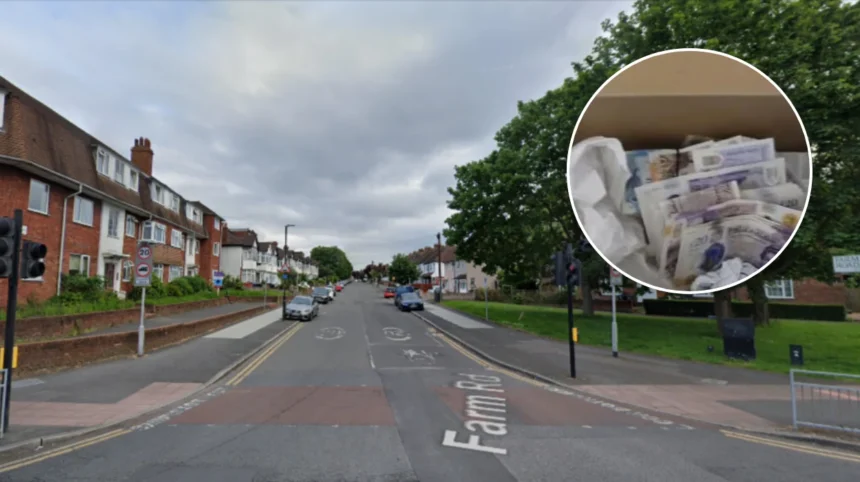
Officers also recovered two high-powered Surron bikes, often associated with anti-social behaviour and criminal use in urban areas. Large amounts of Class A and B drugs were found, alongside a substantial quantity of cash believed to represent criminal proceeds.
These seizures represent a significant blow to local criminal networks, removing tools of violence and intimidation from the streets. No further details on the specific types of guns or drugs were released at the time of reporting, pending forensic analysis.
How Many People Were Arrested and Why?
Twenty-three individuals were arrested during the raids on suspicion of a range of serious offences. Suspicions included the supply of drugs, possession of firearms, possession of offensive weapons, possession of criminal property, and modern-day slavery offences. All arrested persons remain in custody as investigations continue.
The arrests targeted those allegedly involved in the identified criminal activities, with police emphasising the operation’s role in protecting vulnerable residents.
What Measures Were Taken on the Properties?
Two addresses received closure notices, temporarily restricting access to prevent further criminal use. These notices, issued under anti-social behaviour legislation, allow for immediate action to secure properties exploited by offenders. Local residents welcomed the measures, as reported in community feedback following the raids.
Who Led the Operation and What Did They Say?
Inspector Kevin Chambers, who led the operation, described it as a display of coordinated strength. As reported by local Merton police statements, Inspector Chambers said:
“The operation unfolded with the power of over 300 officers working in unison — police constables, rapid‑entry specialists, dog units, the Territorial Support Group and custody teams — a coordinated show of strength and precision.”
He further stated:
“This is a significant step in cutting the supply chains and criminal networks that inflict serious violence, fear, and intimidation across our city.”
Inspector Chambers added:
“Our Safer Neighbourhood Teams are ramping up activity – carrying out more manhunts and seizing more illegal cash, guns, and ammunition- because this criminality tears families apart. I hope this activity shows our relentlessness in taking the fight to those responsible.”
What Was Detective Superintendent Ian Cameron’s View?
Detective Superintendent Ian Cameron provided additional insight into the operation’s broader impact. As attributed to police briefings, he said:
“Drug networks fuel serious violence and today’s coordinated operation disrupts those drivers head‑on.”
He continued:
“We’re protecting vulnerable people who are exploited within these networks, acting on the concerns of our communities and staying firmly committed to safer streets.”
His comments highlighted the link between drug dealing and wider violence, aligning with ongoing community policing efforts in Merton.
Why Was This Operation Significant for Merton?
Merton, a borough in South London, has faced challenges from drug-related crime and associated violence, making such operations vital for resident safety. The raids addressed intelligence on cuckooing, a form of modern slavery where homes of vulnerable people—often those with mental health issues or addictions—are taken over by dealers. By targeting 15 addresses, police aimed to disrupt entrenched networks rather than isolated incidents.
The involvement of over 300 officers demonstrated a resource-intensive commitment, rare for a borough-level operation. Community leaders noted that such actions restore confidence in policing, particularly in areas affected by fear and intimidation.
How Does This Fit into Broader Policing Efforts?
Inspector Chambers emphasised the role of Safer Neighbourhood Teams in sustaining momentum post-raid. These teams focus on manhunts, cash seizures, and weapon recovery to prevent resurgence of criminality. Detective Superintendent Cameron’s remarks reinforced a proactive stance against drug-fuelled violence, a priority across London boroughs.
Similar operations elsewhere in London have yielded comparable results, but Merton’s scale—23 arrests and multiple weapons—stands out. Police have not ruled out further arrests as analysis of seized items progresses.
What Happens Next in the Investigation?
Those arrested remain in custody, with forensic examination of drugs, weapons, and cash underway. Closure notices on two properties will be monitored, potentially leading to longer-term restrictions. Inspector Chambers signalled continued “relentlessness,” suggesting follow-up actions against linked networks.
Residents are encouraged to report suspicions via 101 or Crimestoppers anonymously. No charges have been announced yet, respecting the ongoing judicial process.
Community Impact and Reactions
The operation has been praised for protecting vulnerable individuals from exploitation. Cuckooing’s prevalence in areas like Merton underscores the human cost of drug networks, with victims often facing eviction or worse. Local councillors, though not directly quoted in initial reports, have historically supported such crackdowns.
Fear of retaliation from dealers has historically silenced communities, but Chambers’ assurance of relentless pursuit aims to encourage reporting. Safer streets, as pledged by Cameron, remain the goal.
Broader Context of Drug Crime in South London
Merton’s raids reflect a pattern in South London boroughs, where Class A drugs like cocaine and heroin drive violence. Surron bikes, favoured for quick getaways, exacerbate issues like reckless riding. Modern slavery offences point to coercive control over addicts or migrants.
National statistics show drug supply as a top policing priority, with London seeing thousands of similar seizures annually. This operation contributes to that effort, potentially saving lives by removing firearms.