Key Points
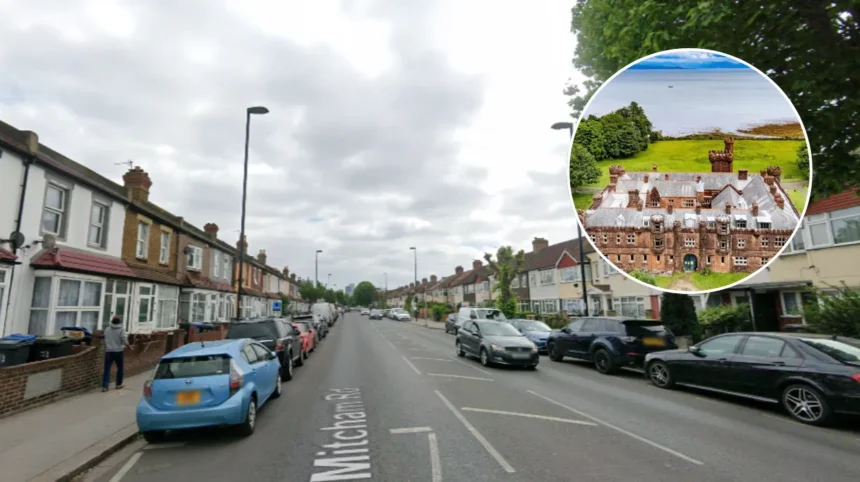
- A 20-bedroom castle named Kinloch Castle on the Isle of Rum in Scotland is on the market for the same price as a modest one-bedroom flat in South London.
- The castle spans 30,979 square feet and features nine bathrooms and seven reception rooms, including a galleried grand hall, drawing room, dining room, billiard and smoking room, ballroom, sitting room, and library.
- It includes a walled garden and retains period grandeur and craftsmanship.
- Accessible only by ferry, the property is marketed as a “rare opportunity to restore one of Scotland’s most iconic island residences”.
- Stunning 19th-century interiors boast portraits on walls, magical objects from ceilings, and moose heads in the entrance hall.
- Eagle-eyed property hunters are joking about selling their “council” homes to snap up the deal, highlighting the stark property price contrast between rural Scotland and urban South London.
Kinloch Castle on Isle of Rum Matches South London Flat Price 2026
- Key Points
- What Makes Kinloch Castle a Bargain Compared to South London Flats?
- Why Is Kinloch Castle Only Accessible by Ferry?
- What Features Define Kinloch Castle’s Interior Grandeur?
- How Does This Listing Highlight UK Property Price Disparities?
- What Is the History Behind Kinloch Castle?
- Who Might Buy Kinloch Castle and for What Purpose?
- Why Is Restoration Key to Kinloch Castle’s Future?
- How Have Property Hunters Reacted to the Listing?
- What Lies Ahead for Kinloch Castle?
Isle of Rum, Scotland (South London News) February 18, 2026 – Kinloch Castle, a sprawling 20-bedroom red-brick residence on the remote Isle of Rum, has been listed for sale at a price comparable to a modest one-bedroom flat in South London, sparking widespread interest and humorous online reactions from potential buyers. The 30,979-square-foot property, accessible only by ferry, offers nine bathrooms, seven reception rooms, and a walled garden, presenting a rare chance to own and restore one of Scotland’s most iconic island homes. Property enthusiasts have quipped about trading in their council homes for this grand estate, underscoring the dramatic disparity in UK housing costs between remote Highland locations and the capital’s overheated market.
What Makes Kinloch Castle a Bargain Compared to South London Flats?
Kinloch Castle stands out for its sheer scale and historical charm at a fraction of London prices. One-bedroom flats in South London areas like Brixton or Peckham often fetch upwards of £400,000, with averages climbing higher in zones closer to the city centre, according to recent market data. In contrast, as initially reported in the Daily Mail, this detached traditional abode matches that modest flat price while boasting opulent features like a galleried grand hall, drawing room, dining room, billiard and smoking room, ballroom, sitting room, and library—all preserving the “grandeur and craftsmanship of the period”.
The castle’s walled garden adds to its allure, offering private outdoor space rare in urban settings. Stunning photographs showcased by the listing reveal 19th-century rooms adorned with portraits hanging from walls, intricate “magical objects” suspended from ceilings, and a striking series of moose heads gracing the entrance hall. These elements evoke an era of lavish Highland hospitality, making it a dream for restoration enthusiasts or luxury hotel developers.
Why Is Kinloch Castle Only Accessible by Ferry?
The Isle of Rum’s isolation enhances the property’s exclusivity but poses logistical challenges. Lying off Scotland’s west coast in the Small Isles archipelago, the castle requires a ferry journey from Mallaig on the mainland, a trip that takes about two hours depending on weather conditions. This remoteness, as noted in the original coverage, contributes to its affordability compared to mainland estates, yet it demands commitment from buyers intent on revival.
Local estate agents describe it as a “rare opportunity to restore one of Scotland’s most iconic island residences”, emphasising its potential despite the need for substantial renovation. The island itself, managed partly by NatureScot, supports a small community focused on conservation, with Rum known for its wildlife, including deer and sea eagles. Prospective owners must navigate these factors, balancing the romance of island life against practicalities like transport and maintenance.
What Features Define Kinloch Castle’s Interior Grandeur?
As reported by Daily Mail journalists covering the listing, the interiors transport visitors back to the late Victorian era. The galleried grand hall serves as a centrepiece, flanked by formal spaces like the drawing room for intimate gatherings and the dining room for grand banquets. The billiard and smoking room catered to leisurely pursuits, while the ballroom hosted lavish dances, and the library offered scholarly retreat—all intact with original fixtures.
Photographic evidence highlights eclectic decor: walls lined with ancestral portraits, ceilings dangling with ornate chandeliers and curios described as “magical objects”, and the entrance hall dominated by mounted moose heads, trophies from past hunts. Nine bathrooms, though likely needing modernisation, support the 20 bedrooms across the vast 30,979 square feet. Seven reception rooms ensure versatility for modern uses, from private residence to boutique hospitality venue.
How Does This Listing Highlight UK Property Price Disparities?
The story has ignited online banter, with property hunters joking they would sell their “council” homes—social housing units often valued under £200,000—to secure the castle. This reflects broader UK trends where South London one-bedroom flats average £350,000-£500,000, per Rightmove data, driven by commuter demand and limited supply. Scotland’s rural market, conversely, offers value, with Highland castles occasionally listed below £1 million post-renovation needs factored in.
Experts attribute this to London’s chronic affordability crisis versus Scotland’s depopulation in remote areas. As the Daily Mail noted, the castle’s price parity with a South London flat “has hit the market”, prompting viral shares. Social media users, including Londoners, express mock outrage: “Why rent in Zone 3 when you can rule a castle?” This narrative amplifies calls for regional investment to revive such heritage sites.
What Is the History Behind Kinloch Castle?
Built in the 1890s by George Bullough, a wealthy industrialist from Lancashire, Kinloch Castle was a wedding gift from his father and designed as a Highland retreat. Bullough spared no expense importing luxuries like Italian marble fireplaces and even a small jungle of exotic plants to the island. The estate passed through family hands before falling into disrepair after World War II, with the island sold to conservationists in 1957.
Restoration efforts have preserved its fabric, but full revival awaits a visionary buyer. As per the listing details covered by the Daily Mail, the castle “retains the grandeur and craftsmanship of the period”, with original features largely untouched. Its red-brick facade, unusual for Scotland, nods to Bullough’s English roots, blending styles into a unique landmark.
Who Might Buy Kinloch Castle and for What Purpose?
Potential purchasers range from ultra-wealthy eccentrics seeking privacy to investors eyeing eco-tourism. Tech entrepreneurs have snapped up Scottish islands before, like James Jackson’s purchase of Inchkenneth. Hospitality groups could transform it into a luxury hotel, capitalising on the “castle stay” trend post-pandemic. Conservation charities might bid to open it as a museum, given Rum’s status as a national nature reserve.
The listing agent highlights its “rare opportunity” status, urging swift action amid global interest. Online commentators speculate on uses: “Wedding venue? Film set? My new HQ?” The moose heads and period rooms already lend cinematic appeal, featured in media like the Daily Mail’s photo spread.
Why Is Restoration Key to Kinloch Castle’s Future?
While structurally sound, the castle requires investment to meet modern standards—think plumbing upgrades for nine bathrooms and heating for 20 bedrooms. The walled garden, overgrown but fertile, promises self-sufficiency. NatureScot, which oversees much of Rum, supports sympathetic development, provided it benefits the environment and community of around 30 residents.
As the Daily Mail reported, photos “show the 19th-century rooms decked out in all their glory”, but damp Highland climate demands prompt work. Successful precedents include nearby estates revived as rentals, yielding returns via platforms like Airbnb. Buyers must weigh costs against the prestige of owning a slice of Scottish aristocracy.
How Have Property Hunters Reacted to the Listing?
Social media erupts with envy and wit. One user posted: “Selling my South London flat for a castle—kings don’t commute!” Another: “Council house to castle in one swoop—who needs London?” These jests, amplified by the Daily Mail’s coverage, underscore generational frustration with housing ladders. Viewings are booked, with agents fielding international enquiries from Europe and the US.
This buzz positions the sale as more than transactional; it’s a cultural moment spotlighting rural revival. Brokers note similar isles like Eigg thriving post-community buyouts, suggesting Kinloch could follow if sold to committed stewards.
What Lies Ahead for Kinloch Castle?
Marketing emphasises its potential as an “iconic island residence”, with auctions pending offers. Comparable sales, like Dunbeath Castle for under £1 million, affirm value. As South London prices soar—flats now rivaling this castle’s tag—eyes turn north for alternatives. The listing, per Daily Mail, captures a pivotal chance to claim Highland heritage before urban sprawl’s reach lengthens.