Key Points
- Pierluigi’s, an Italian restaurant on Beckenham High Street, South London, faces a third premises licence review in three years.
- The Metropolitan Police (Met Police) raised “serious concerns” over the restaurant’s management after it delayed and refused to provide full CCTV footage related to an alleged theft in December.
- Owners displayed “a lack of responsibility and engagement” according to police, prompting the latest review.
- Previous issues stem from neighbour complaints about late-night noise and nuisance on weekends, leading to earlier licence battles lasting over a year.
- The restaurant has been embroiled in retaining its premises licence amid ongoing disputes.
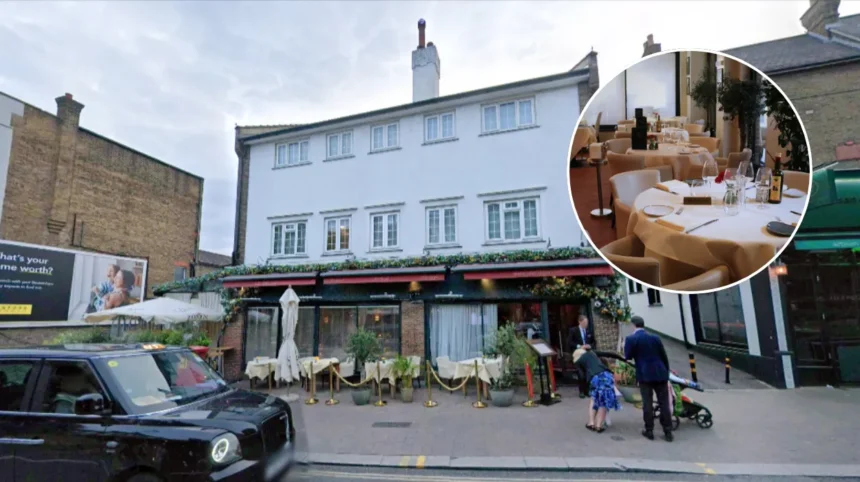
Beckenham, South London (South London News) February 18, 2026 – Pierluigi’s Italian restaurant on Beckenham High Street faces its third premises licence review in three years after the Metropolitan Police accused its owners of refusing to hand over CCTV footage linked to an alleged theft last December. The Met Police have expressed “serious concerns” about the management’s “lack of responsibility and engagement”, escalating a dispute that began with neighbour complaints over noise. This latest development marks another chapter in the eatery’s prolonged battle to keep its licence.
- Key Points
- What Triggered the Latest Licence Review?
- Why Have Police Raised Serious Concerns?
- What Is the History of Pierluigi’s Licence Issues?
- Who Are the Key Players Involved?
- When Did the Alleged Theft Occur and What Happened Next?
- Where Exactly Is Pierluigi’s Located?
- How Does This Fit Into Broader Licensing Regulations?
- What Have Neighbours Said About the Restaurant?
- What Is the Restaurant’s Response So Far?
- Could This Lead to Licence Revocation?
- What Do Licensing Experts Say?
- How Has the Community Reacted Recently?
- What Happens at a Licence Review Hearing?
- Why Is Beckenham a Hotspot for Such Disputes?
- When Is the Review Scheduled?
- Broader Implications for South London Venues
What Triggered the Latest Licence Review?
The immediate catalyst for the review was an incident of alleged theft at Pierluigi’s last December. As detailed in coverage by MyLondon News, the Met Police requested full CCTV footage from that night, but the owners delayed providing it and ultimately refused. This refusal led police to question the restaurant’s cooperation with law enforcement.
According to the MyLondon report, the police believe the owners’ actions demonstrate a pattern of inadequate management. No specific details on the theft itself—such as the value stolen or suspects involved—were disclosed in available accounts, but the footage denial became the focal point. Bromley Council, responsible for licensing, has scheduled the review, though a date was not specified in initial reports.
Why Have Police Raised Serious Concerns?
The Met Police’s stance centres on Pierluigi’s owners showing “a lack of responsibility and engagement”. As reported by MyLondon News journalists, this stems directly from the handling of the CCTV request. Police argued that timely provision of footage is essential for investigating crimes on licensed premises.
This is not an isolated grievance. The restaurant’s history includes prior police and council scrutiny, amplifying current worries. The Met Police’s involvement underscores broader expectations for licensed venues to support public safety efforts.
What Is the History of Pierluigi’s Licence Issues?
Pierluigi’s has faced licence challenges for over a year, with this marking the third review in three years. Initial concerns arose from neighbours complaining of late-night noise and nuisance, particularly on weekends, as covered in a prior MyLondon article titled “Beckenham Pierluigi Bromley licence review”.
That earlier report, linked within the latest coverage, highlighted resident frustrations with disturbances from the Italian eatery. Neighbours reported issues persisting despite previous warnings, leading to the first review. The restaurant has been “embroiled in a battle to retain its premises licence”, per MyLondon’s summary.
No outcomes from the first two reviews were detailed in the provided sources, but the recurrence suggests unresolved tensions. Bromley Council’s licensing sub-committee typically handles such matters, weighing public safety against business rights.
Who Are the Key Players Involved?
The owners of Pierluigi’s remain unnamed in reports, with focus on their collective actions rather than individuals. The Met Police represent law enforcement, emphasising accountability for licensed operators.
Bromley Council oversees the review process, as Beckenham falls under its jurisdiction. Neighbours, as initial complainants, indirectly drive the narrative through noise reports. MyLondon News provided primary coverage, with no additional journalists named in the snippets.
When Did the Alleged Theft Occur and What Happened Next?
The alleged theft took place at Pierluigi’s last December, though an exact date was not specified. Police promptly sought CCTV footage to aid their investigation.
Delays ensued, followed by a outright refusal, prompting police escalation to Bromley Council. The licence review announcement followed, positioning this as a “third time in three years”.
Where Exactly Is Pierluigi’s Located?
Pierluigi’s operates on Beckenham High Street, a bustling area in South London’s Bromley borough. Beckenham, known for its vibrant high street, has seen the restaurant become a local flashpoint. The venue’s position amplifies neighbour impacts from any disturbances.
How Does This Fit Into Broader Licensing Regulations?
UK premises licences, governed by the Licensing Act 2003, require operators to prevent crime, disorder, and public nuisance. Refusing police access to CCTV breaches these duties, especially post-theft.
Councils like Bromley can revoke, suspend, or modify licences after reviews. Previous Beckenham cases, such as noise-related revocations elsewhere, set precedents. Pierluigi’s case highlights tensions between business autonomy and regulatory compliance.
What Have Neighbours Said About the Restaurant?
Neighbours first flagged “late night noise and nuisance on weekends”, as per MyLondon’s earlier coverage. Complaints centred on disturbances affecting residential peace near Beckenham High Street.
No direct quotes from residents appear in the latest reports, but their input triggered initial reviews. Ongoing issues suggest persistent frustration.
What Is the Restaurant’s Response So Far?
Available sources do not include statements from Pierluigi’s owners. Neither MyLondon’s primary article nor the linked prior report quotes management defending the CCTV refusal or noise complaints.
This silence leaves police claims unchallenged in public reporting. Owners may address this at the upcoming review hearing.
Could This Lead to Licence Revocation?
Possible outcomes range from no action to full revocation. Bromley Council’s sub-committee will assess police evidence on CCTV, past compliance, and noise history.
Similar South London cases have resulted in suspensions or closures for lesser issues. With three reviews in three years, risks appear elevated.
What Do Licensing Experts Say?
While no expert commentary appears in MyLondon reports, standard practice views CCTV refusal as grave. Licensing solicitors often advise full cooperation to avoid escalation.
Police “serious concerns” signal strong grounds for intervention.
How Has the Community Reacted Recently?
Recent coverage focuses on police action, with no fresh community statements. Earlier neighbour complaints indicate divided local sentiment, balancing dining appeal against disruptions.
Beckenham’s high street relies on such venues, complicating views.
What Happens at a Licence Review Hearing?
Hearings involve presentations from police, council officers, residents, and the licence holder. The sub-committee deliberates on four objectives: crime prevention, public safety, nuisance minimisation, and child protection.
Decisions can be appealed in magistrates’ court.
Why Is Beckenham a Hotspot for Such Disputes?
Beckenham High Street’s mix of eateries and homes fosters noise conflicts. Bromley’s strict enforcement reflects South London trends amid rising post-pandemic licensing scrutiny.
When Is the Review Scheduled?
No firm date is given in MyLondon’s report, but processes typically conclude within 28 days of application. Updates may follow via council notices.
Broader Implications for South London Venues
This case exemplifies heightened accountability for CCTV and cooperation. Other restaurants face similar pressures amid crime concerns.
Pierluigi’s saga underscores challenges for family-run eateries in regulatory environments. As reported across sources, resolution hinges on the hearing’s outcome.