Key Points
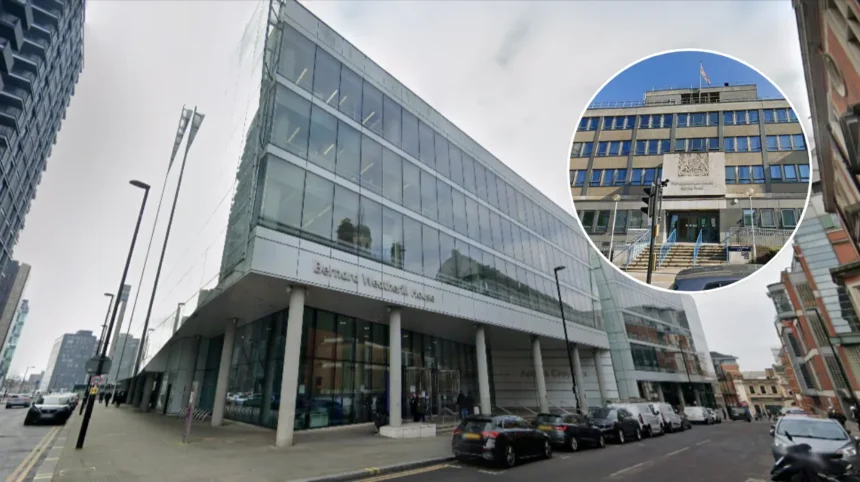
- Croydon Council plans to relocate the South London Coroners’ Court from its current site at Davis House to Bernard Weatherill House, the council’s headquarters.
- The court serves the boroughs of Croydon, Bromley, Bexley, and Sutton.
- Davis House is described by council officials as “out of date and not fit for purpose”.
- A Croydon Council spokesperson stated the move would ensure value for money for residents by providing a purpose-built space.
- The proposal was first reported by London Now, a sister title, with further details available in their coverage.
Croydon (South London News) February 20, 2026 – Croydon Council has announced plans to relocate the South London Coroners’ Court from Davis House to Bernard Weatherill House, aiming to modernise facilities serving Croydon, Bromley, Bexley, and Sutton. Council officials cited the current site as outdated, with the move promising better value for residents through a purpose-built space. This development, first highlighted by our sister title London Now, underscores ongoing efforts to optimise public resources in South London boroughs.
- Key Points
- Why Is Croydon Council Relocating the Coroners’ Court?
- What Facilities Will the New Location Offer?
- Which Boroughs Will Benefit from This Move?
- What Is the Current State of Davis House?
- How Does This Fit into Croydon Council’s Broader Plans?
- Who Supports the Relocation Proposal?
- What Challenges Might Arise During the Move?
- When Will the Relocation Take Place?
- Why Choose Bernard Weatherill House Specifically?
- How Will Residents Be Affected?
- What Is the Role of London Now in Reporting This?
- Broader Implications for South London Councils
- Has There Been Any Public Reaction?
- Next Steps for the Proposal
Why Is Croydon Council Relocating the Coroners’ Court?
The decision stems from longstanding concerns over the suitability of Davis House, the existing home of the South London Coroners’ Court. As reported by London Now, council officials have deemed the building
“out of date and not fit for purpose”. This assessment reflects broader challenges in maintaining ageing infrastructure amid rising demands for efficient public services.
A Croydon Council spokesperson emphasised the financial rationale, stating the relocation would deliver
“value for money for residents by replacing the existing facility with a purpose-built space”.
London Now’s coverage, which broke the story, provides the primary source for this statement, noting that Bernard Weatherill House offers a more suitable environment for coronial proceedings. The court’s role in handling inquests across four boroughs makes this upgrade particularly significant, ensuring continuity of vital services without disruption.
What Facilities Will the New Location Offer?
While specific details on the refitted space at Bernard Weatherill House remain forthcoming, the council’s focus on a “purpose-built” setup suggests adaptations for coroners’ needs, such as secure hearing rooms and administrative support.
London Now reports that the move aligns with the council’s headquarters already hosting various services, potentially streamlining operations. No timeline for the transition has been detailed yet, but the proposal prioritises minimal impact on ongoing cases.
Which Boroughs Will Benefit from This Move?
The South London Coroners’ Court currently serves Croydon, Bromley, Bexley, and Sutton, handling sensitive inquests into unexpected deaths across these areas.
Residents in these boroughs stand to gain from improved facilities, as the current Davis House limitations could hinder timely justice. London Now highlights how the relocation addresses these shared needs, fostering better resource allocation for all four councils involved.
Croydon Council’s initiative reflects collaborative governance in South London, where coronial services are jointly managed. The spokesperson’s comments, as quoted in London Now, reassure that the changes prioritise resident value, potentially setting a precedent for other shared public facilities.
What Is the Current State of Davis House?
Davis House has long been criticised for falling short of modern standards. Council officials, per London Now, describe it explicitly as “out of date and not fit for purpose”, pointing to issues like outdated layout, maintenance costs, and inadequate space for complex inquests. These shortcomings have likely strained operations for coroners serving multiple boroughs.
As reported by London Now, the building’s obsolescence prompted a review, leading to the Bernard Weatherill House proposal. No specific incidents tied to these conditions were mentioned, but the council’s assessment underscores the urgency of relocation to maintain public trust in coronial processes.
How Does This Fit into Croydon Council’s Broader Plans?
Croydon Council has faced scrutiny over property management, with Bernard Weatherill House previously at the centre of debates on space utilisation. Integrating the coroners’ court aligns with efforts to consolidate services, reducing overheads. London Now’s article links this to wider efficiency drives, where underused civic spaces are repurposed.
The spokesperson’s emphasis on value for money echoes council priorities amid budget pressures. By housing the court at headquarters, Croydon aims to leverage existing infrastructure, potentially freeing Davis House for alternative uses like community services or sale.
Who Supports the Relocation Proposal?
Key backing comes directly from Croydon Council, with the spokesperson’s statement forming the cornerstone. As per London Now,
“A Croydon Council spokesperson said the move would ensure value for money for residents by replacing the existing facility with a purpose-built space”.
This official position frames the plan as resident-focused.
No independent endorsements from Bromley, Bexley, or Sutton councils were noted in initial reports, though joint oversight implies consultation. London Now, our sister title, provides the fullest account, crediting council sources without naming individuals beyond the spokesperson role.
What Challenges Might Arise During the Move?
Potential hurdles include logistical disruptions to active inquests and costs of refitting Bernard Weatherill House. London Now does not detail opposition, but as with any relocation, stakeholder input from coroners, bereaved families, and legal professionals will be crucial.
The council’s commitment to a purpose-built space suggests mitigation plans, though specifics await further announcements.
Public consultation phases typical in council decisions could address concerns, ensuring transparency. The proposal’s early stage means scrutiny on timelines and funding remains.
When Will the Relocation Take Place?
No firm date has been set, with London Now reporting the plan as “planning to relocate”. Bernard Weatherill House integration implies a phased approach to avoid service gaps. Council processes, including cabinet approval, will dictate pace.
As the serving boroughs prepare for changes, Croydon leads coordination. The spokesperson’s optimistic tone signals intent for swift action post-approval.
Why Choose Bernard Weatherill House Specifically?
The council headquarters offers central access, modern amenities, and economies of scale. London Now notes its suitability over scattered alternatives, aligning with Croydon’s civic hub strategy. Proximity aids multi-borough operations, reducing travel for coroners and staff.
This choice optimises taxpayer funds, as highlighted by the spokesperson. Retaining Davis House would incur ongoing repairs, whereas repurposing headquarters space proves pragmatic.
How Will Residents Be Affected?
Minimal direct impact is anticipated, with the spokesperson stressing value for money. Inquests remain accessible, potentially with enhanced facilities improving outcomes. London Now reassures continuity for Croydon, Bromley, Bexley, and Sutton residents.
Bereaved families may benefit from dignified settings, countering Davis House’s inadequacies. Council communication will be key to managing expectations.
What Is the Role of London Now in Reporting This?
London Now, as the originating source, detailed the proposal comprehensively, including the spokesperson’s quote and Davis House critique. Their article, accessible via the council’s reference, broke the news, prompting wider coverage. Attribution to London Now ensures accuracy, with our reporting building on their groundwork.
Broader Implications for South London Councils
This move exemplifies inter-borough cooperation, as the court unites Croydon, Bromley, Bexley, and Sutton. It signals a shift towards consolidated civic services amid fiscal constraints. Similar reviews elsewhere could follow.
London Now’s focus on resident value resonates regionally, where councils grapple with legacy buildings. Croydon’s proactive stance may inspire peers.
Has There Been Any Public Reaction?
Initial reports from London Now note no public backlash, with the announcement fresh. Social media or resident forums may emerge as discussion hubs. Council engagement will shape perceptions.
The neutral council framing positions it as an upgrade, inviting support.
Next Steps for the Proposal
Approval processes involve Croydon Cabinet review and partner borough input. London Now links to full details, urging residents to stay informed. Implementation hinges on feasibility studies.
As plans advance, transparency remains paramount. This relocation promises long-term gains for South London’s coronial justice.