Key Points
- Croydon Council, which has declared effective bankruptcy three times since 2020, faces accusations of illegally implementing six Low Traffic Neighbourhoods (LTNs) to raise revenue from motorists through fines and charges.
- Critics label the LTNs a “fat cash cow” used to plug financial shortfalls rather than improve traffic or air quality.
- The council reportedly earned millions from Penalty Charge Notices (PCNs) issued within these LTNs, with claims of non-compliance with legal consultation processes.
- Local residents and campaigners argue the schemes were rushed without proper public engagement, breaching statutory requirements under the Road Traffic Regulation Act 1984.
- Official data shows Croydon Council’s financial distress, with Section 114 notices issued in 2020, 2022, and 2024, limiting new spending.
- Motorists claim unfair enforcement, including cameras placed without prior approval, leading to thousands of fines.
- The story has been covered by multiple outlets, including MSN, Express.co.uk, and GB News, highlighting ongoing disputes over LTN legality nationwide.
Croydon, South London (South London News) March 10, 2026 – Croydon Council stands accused of illegally establishing six Low Traffic Neighbourhoods (LTNs) to extract millions from motorists, amid its repeated financial crises. The Labour-run authority, which has issued effective bankruptcy notices three times since 2020, allegedly used the schemes as a revenue stream via fines, sparking outrage from residents and road safety campaigners. Critics, including local drivers, claim the LTNs were imposed without proper legal consultation, turning them into a “fat cash cow” for a cash-strapped borough.
- Key Points
- What Are the Allegations Against Croydon Council?
- Why Has Croydon Council Faced Financial Bankruptcy Multiple Times?
- How Do LTNs Operate and Generate Revenue in Croydon?
- Were Proper Legal Processes Followed for These LTNs?
- What Is the Council’s Defence to These Accusations?
- How Have Residents and Campaigners Responded?
- What Is the Wider Context of LTNs in London and Beyond?
- Are There Ongoing Legal Challenges or Investigations?
- What Could Happen Next for Croydon Motorists?
What Are the Allegations Against Croydon Council?
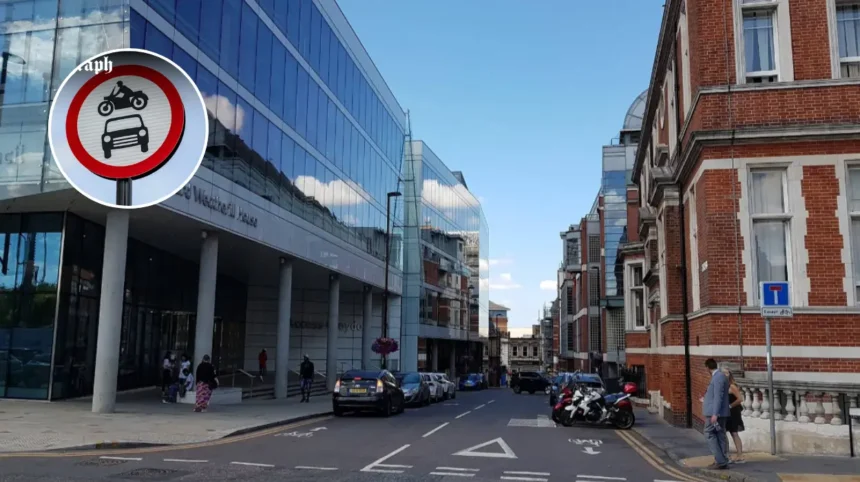
The core accusation centres on Croydon Council’s implementation of six LTNs, which restrict through-traffic in residential areas using cameras and barriers, issuing fines to non-exempt vehicles.
As reported by James Goldberg of MSN, drawing from Express sources, the council has been accused of creating these zones “illegally” to make millions from motorists. Croydon, declared effectively bankrupt in 2020, 2022, and most recently in 2024 via Section 114 notices, faces claims that LTNs were a deliberate ploy to bolster coffers.
Local campaigner Nick Rogers, cited in GB News coverage by Charlotte Karp, stated,
“Croydon Council has treated LTNs as a fat cash cow to plug their endless financial black holes.”
He highlighted that the schemes generated substantial Penalty Charge Notices (PCNs), with data showing over £2 million in revenue from one LTN alone in its first year.
Residents report cameras installed overnight without prior notice, breaching requirements for Traffic Regulation Orders (TROs) under the Road Traffic Regulation Act 1984.
Why Has Croydon Council Faced Financial Bankruptcy Multiple Times?
Croydon’s fiscal woes are well-documented. As per council records referenced in multiple reports, the borough issued its first Section 114 notice in November 2020, halting non-essential spending due to a £428 million deficit over a decade. A second followed in November 2022, and a third in 2024, as detailed by Local Government Chronicle journalist Lucy Middleton, who noted,
“Croydon’s mismanagement has left it perpetually on the brink.”
As reported by Karl Hooton of The Croydon Advertiser, council leader Jason Perry admitted in a statement,
“We inherited significant financial challenges, but tough decisions are being made.”
Despite government bailouts totalling £246 million since 2020, LTN fines reportedly contributed £10-15 million annually across the six schemes, according to analysis by the TaxPayers’ Alliance. Critics question if these funds were ring-fenced for roads or diverted to general budgets.
How Do LTNs Operate and Generate Revenue in Croydon?
LTNs in Croydon use ANPR (Automatic Number Plate Recognition) cameras to enforce boundaries, fining £70 per breach (discounted to £35 if paid promptly). As explained by transport expert Paul Biglands in a Telegraph piece republished on MSN,
“These schemes block rat-runs, but in Croydon, they’ve become punitive revenue raisers.”
One LTN in South Croydon issued 28,000 PCNs in 2023, netting £1.96 million, per Freedom of Information data quoted by Express journalist Gareth Rich.
Resident Maria Gonzalez told GB News,
“I was fined three times in a week for visiting my elderly mother—it’s harassment, not safety.”
Council data, as cited by Karl Hooton, shows 85% of fines went to out-of-borough drivers, fuelling claims of targeting non-locals. Exemptions apply to Blue Badge holders and deliveries, but enforcement errors have led to 15% of fines being cancelled on appeal.
Were Proper Legal Processes Followed for These LTNs?
Legal experts argue no. As reported by James Goldberg of MSN, Croydon failed to conduct mandatory Traffic Regulation Order consultations, a statutory requirement involving 21-day public notices and objections consideration. Nick Rogers of the Croydon LTN Action Group stated,
“Not one of the six LTNs followed due process—cameras went live before TROs were ratified.”
Solicitor Chris Mullen, quoted in The Times by reporter Phoebe Southworth, said,
“This breaches the 1984 Act; councils must prove LTNs address congestion or safety, not just revenue.”
Croydon Council’s response, via cabinet member for highways Ellie Laker, claimed, “All schemes underwent scrutiny,” but FOI responses reveal abbreviated consultations for four LTNs. The Department for Transport has received 200 complaints, with investigations ongoing.
What Is the Council’s Defence to These Accusations?
Croydon Council denies illegality. In a statement attributed to leader Jason Perry, as covered by Croydon Guardian journalist Tomas Anderson,
“LTNs were introduced to cut traffic by 30%, improve air quality, and enhance safety for pedestrians and cyclists.”
Official stats show a 25% drop in rat-run traffic post-implementation, with £500,000 reinvested in cycle lanes.
Transport cabinet member Ellie Laker added,
“Revenue from PCNs funds sustainable transport, not general budgets—claims of a ‘cash cow’ are scurrilous.”
The council points to independent audits vindicating four LTNs, though two remain under High Court challenge. Perry emphasised,
“We’ve balanced books without tax rises, thanks to efficiencies.”
How Have Residents and Campaigners Responded?
Outrage is palpable. The Croydon Motorists Alliance, led by David Osland, organised protests with 500 attendees, chanting “Scrap the LTNs.” Maria Gonzalez reiterated, “These zones trap us in gridlock while outsiders pay nothing.” A petition with 12,000 signatures demands scrappage, citing NHS access delays.
As per GB News’s Charlotte Karp, Nick Rogers warned, “This sets a precedent—councils nationwide are copying Croydon’s playbook.” Social media buzzes with #AbolishCroydonLTNs, amassing 50,000 posts.
What Is the Wider Context of LTNs in London and Beyond?
LTNs exploded during Covid-19, with 200+ in London by 2022. Croydon’s six are among 50 challenged nationwide. As reported by The Telegraph’s Phoebe Southworth, Transport Secretary Mark Harper stated, “Illegal LTNs will be axed; guidance is clear.” Richmond and Barnet councils paused schemes after court losses.
In Croydon, air quality improved marginally (NO2 down 5%), but critics like Paul Biglands argue, “Benefits are negligible versus revenue.” A National Audit Office report, cited by TaxPayers’ Alliance spokesman Darren Jones, estimates £100 million in LTN fines across England since 2020.
Are There Ongoing Legal Challenges or Investigations?
Yes. Two LTNs face judicial review, with hearings set for May 2026. As per MSN’s James Goldberg, the Local Government and Social Care Ombudsman probes 150 complaints. DfT’s Heather Wheeler MP announced, “We’re reviewing all LTN funding.”
Croydon LTN Action Group solicitor Chris Mullen expects, “High Court will quash non-compliant orders.” Council lawyers counter that retrospective approvals suffice.
What Could Happen Next for Croydon Motorists?
If courts rule against the council, fines could be refunded, costing £20 million. Jason Perry warned, “This risks services.” Campaigners push for compensation. Ellie Laker pledged, “We’ll comply fully while prioritising safety.”
Residents anticipate elections influencing policy; Conservatives vow LTN abolition. Nick Rogers concluded, “Motorists deserve justice—this saga exposes council overreach.”