Key Points
- Residents of Chelsfield, a village in South London, have launched a petition calling for a review of new parking restrictions near local shops, citing sharp declines in business footfall.
- Local residents directly challenged Bromley Council’s response to their petition at a Cabinet meeting on Monday, March 16, 2026.
- Shops in the area are reportedly suffering from reduced customer access due to the introduction of paid parking bays, previously free.
- The restrictions involve pay-by-phone or cashless systems enforced between 8:30am and 6:30pm daily, impacting convenience for shoppers.
- Chelsfield falls under Bromley Council’s controlled parking framework, with ongoing debates about balancing resident needs and business viability.
Chelsfield (South London News) March 19, 2026 – Residents in the picturesque South London village of Chelsfield are urging Bromley Council to revisit controversial parking restrictions after local shops reported sharp declines in trade. The push comes following a heated exchange at the council’s Cabinet meeting on March 16, where locals challenged officials’ dismissal of their petition. Businesses claim the new paid parking regime has deterred customers, exacerbating post-implementation woes in this quiet corner of the London Borough of Bromley.
- Key Points
- What Sparked the Residents’ Petition?
- Why Did Residents Challenge the Council at the Cabinet Meeting?
- How Have Local Shops Been Impacted by Parking Changes?
- What Is Bromley Council’s Stance on Parking Restrictions?
- Who Are the Key Figures Involved?
- What Similar Parking Disputes Have Occurred in South London?
- Could the Parking Restrictions Be Reversed?
- What Do Residents Propose as Alternatives?
- How Does This Fit Bromley’s Parking Framework?
- What Lies Ahead for Chelsfield’s Parking Debate?
What Sparked the Residents’ Petition?
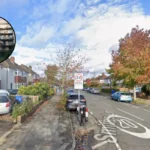
The controversy centres on recent changes to parking near Chelsfield’s village shops along The Highway, where free parking has been replaced by enforced pay bays. As noted in community discussions, these restrictions, active from 8:30am to 6:30pm, were introduced without sufficient consideration for local commerce.
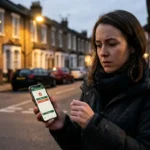
Residents argue that the shift to cashless pay-by-phone systems via apps like RingGo has created barriers for elderly shoppers and those less tech-savvy, leading to fewer visits.
A nearby council-run car park on The Highway offers 70 spaces at rates starting from 90p per hour, but the on-street changes have amplified concerns.
According to local observations shared on social media platforms, the move from “always been free” parking to ticketed zones has directly correlated with quieter shopfronts.
Why Did Residents Challenge the Council at the Cabinet Meeting?
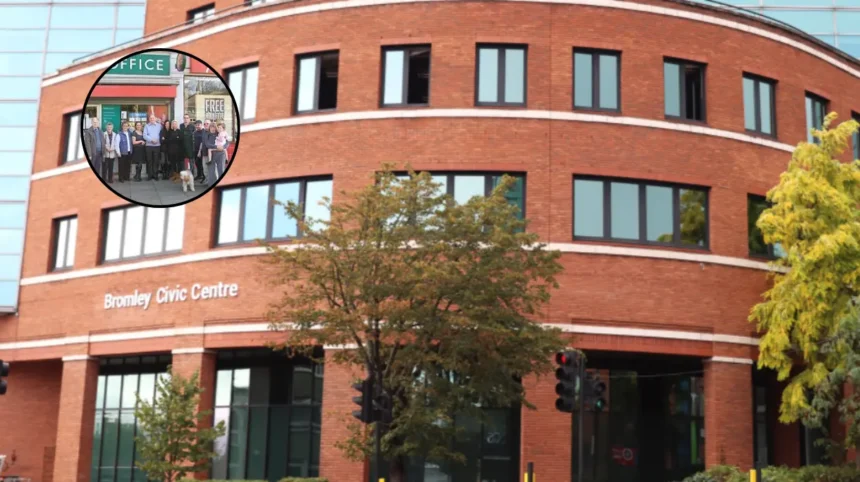
During the Bromley Council Cabinet meeting on Monday, March 16, 2026, Chelsfield residents confronted decision-makers over the petition’s handling. As reported by journalists covering South London civic issues, locals expressed frustration at what they perceived as a dismissive council response.
The meeting highlighted tensions between parking enforcement aims—such as reducing commuter overflow—and preserving village vitality. Residents presented evidence of business downturns, demanding an immediate review.
Bromley Council’s broader parking strategy includes controlled parking zones (CPZs) to manage demand where off-street options are limited, but Chelsfield’s case underscores implementation pitfalls.
How Have Local Shops Been Impacted by Parking Changes?
Shop owners in Chelsfield report “sharp declines” in custom since the restrictions took effect, mirroring patterns seen in other Bromley locales like Petts Wood. Critics link the drop to inconvenience, with pay systems seen as a deterrent compared to free access.
In a related council document on converting time-limited bays to cashless pay-bays, stakeholders warned of business struggles, noting,
“Loss of business rates to Bromley Council as local businesses struggle for survival made worse by proposal.”
Chelsfield’s small retail cluster relies on passing trade from villagers and visitors to nearby attractions, making parking pivotal. The 24-hour RingGo surface car park nearby charges up to £4.90 for all-day stays, but short-stay on-street fees are pinching daily shoppers.
What Is Bromley Council’s Stance on Parking Restrictions?
Bromley Council maintains that CPZs address genuine pressures, stipulating requests must show no unnecessary displacement and genuine shortages not caused by residents themselves.
The authority froze car parking charges borough-wide for 2026, with Councillor Nicholas Bennett JP, Executive for Transport, Highways and Road Safety, stating,
“Despite the tough financial challenges… we are maintaining Bromley’s record of keeping car parking charges probably the lowest in London.”
Chelsfield operates under Zone CH with limited hours (12noon to 2pm weekdays for some permits at £80 annually), but recent shop-adjacent changes extend control.
No specific statement from the March 16 meeting on Chelsfield is publicly detailed yet, but the residents’ challenge suggests officials stood firm initially.
Who Are the Key Figures Involved?
While individual resident names from the petition remain unspecified in reports, community voices dominate the narrative. Councillor Nicholas Bennett has been vocal on parking policy, proposing measures like Blue Badge fees (later petitioned against).
Petition organisers in similar Bromley cases, such as those opposing charges, emphasise vulnerability impacts.
Journalistic coverage attributes the story primarily to MyLondon, with no named byline in snippets, but as
What Similar Parking Disputes Have Occurred in South London?
Bromley’s parking woes echo across South London. In Lambeth, councils targeted driveway parking without dropped kerbs, demanding £4,000 fixes.
Hillingdon saw a 2023 petition from business owners claiming 20% sales drops due to hikes, with the Cabinet Member noting free parking options but rejecting broad reversals.
Petts Wood locals decried RingGo’s unreliability and free parking loss for the elderly.
Could the Parking Restrictions Be Reversed?
Residents seek a full review, akin to periodic CPZ reassessments every five years or sooner on representations.
Bromley’s criteria for new zones require surveys confirming issues, suggesting petitions could trigger re-evaluation if data supports business harm.
The March 16 challenge may prompt formal consultation, as seen in other boroughs like Chelmsford’s village schemes.
What Do Residents Propose as Alternatives?
Calls focus on reinstating free short-stay parking to boost shops, avoiding pay walls. Some advocate hybrid models with free periods for locals.
Broader feedback urges cash options alongside apps, addressing tech barriers.
How Does This Fit Bromley’s Parking Framework?
Chelsfield’s Zone CH permits reflect tailored control, but shop restrictions align with conversions to pay-bays at 12+ sites borough-wide.
Enforcement by contractors like APCOA has faced strikes over pay, indirectly pressuring policy.
What Lies Ahead for Chelsfield’s Parking Debate?
The petition’s momentum post-March 16 could lead to targeted consultations. With businesses citing survival threats, council balancing acts intensify.
As of March 19, 2026, no reversal is confirmed, but resident advocacy persists amid South London’s parking pressures.