Key Points
- Nine new water safety throwline boards installed along the Thames towpath between Mortlake and Barnes.
- Stretch spans from the White Hart pub to Barn Elms Boathouse in the London Borough of Richmond upon Thames.
- Equipment provides emergency support for individuals in difficulty in the water, preventing drownings.
- Part of an ongoing partnership to enhance public safety and ensure rapid emergency response.
- River Thames described as cherished yet unpredictable due to cold water shock, strong currents, and hidden hazards.
- Essential steps if spotting someone struggling: raise alarm by calling 999 for Coastguard or London Fire Brigade; throw a line using emergency throw bag board or floating object; stay safe and do not enter the water.
- Residents and visitors urged to familiarise themselves with board locations and report any damaged or missing equipment immediately.
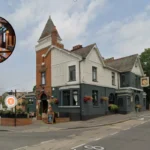
South London (South London News) March 25, 2026 – Nine new water safety throwline boards have been installed along the Thames towpath between Mortlake and Barnes in the London Borough of Richmond upon Thames, bolstering efforts to prevent drownings in the unpredictable river. The equipment, spanning from the White Hart pub to Barn Elms Boathouse, offers vital emergency support for anyone in difficulty in the water, integrating seamlessly with the borough’s existing river safety network.
- Key Points
- Why Were These Water Safety Boards Installed Along the Thames?
- What Dangers Does the River Thames Pose in Richmond upon Thames?
- How Do the New Throwline Boards Work?
- What Should You Do If You See Someone Struggling in the River?
- Who Is Behind This Water Safety Initiative?
- Where Exactly Are the Nine New Boards Located?
- How Can Residents Report Damaged or Missing Boards?
- What Broader Impact Will This Have on Thames Safety?
- Why Is Community Familiarity Crucial?
This initiative underscores the dual nature of the River Thames as a beloved local asset and a potential hazard. Officials emphasise that cold water shock, powerful currents, and concealed dangers make even brief entries into the water life-threatening. The new boards form part of a sustained partnership aimed at elevating public safety standards and facilitating swift emergency responses.
Why Were These Water Safety Boards Installed Along the Thames?
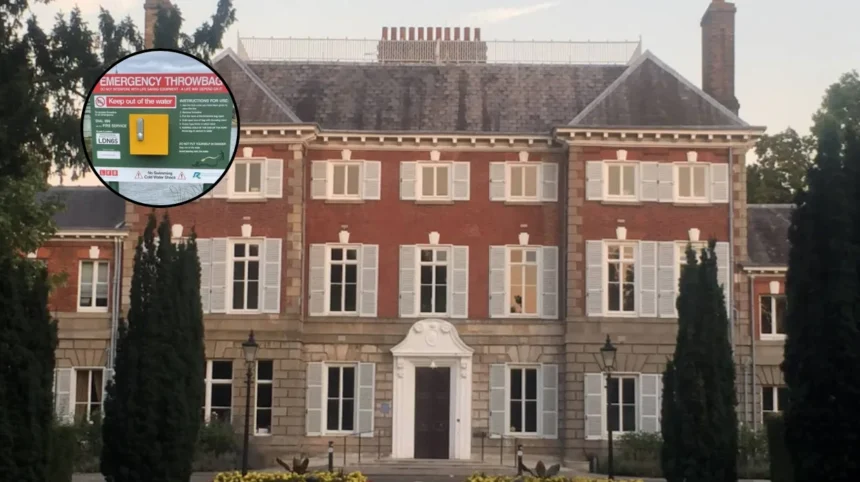
The installation addresses persistent risks along this picturesque yet perilous stretch of the Thames. As detailed in the official announcement from Richmond Council, the nine throwline boards equip the towpath from Mortlake to Barnes with life-saving tools. These boards contain throw bags—lifelines designed for rescuers to hurl to distressed swimmers without entering the water themselves.
The precise locations, from the White Hart pub—a popular riverside venue—to Barn Elms Boathouse, ensure comprehensive coverage. This move expands the borough’s pre-existing network of river safety measures, reflecting a proactive stance on water-related incidents. Councillor Julia Neden, Cabinet Member for Environment, Communities and Resident Services at Richmond Council, highlighted the urgency, stating as reported by the council’s press release:
“The River Thames is a much-loved feature of our borough, but it can be unpredictable and dangerous. These new throwline boards will help save lives by providing immediate access to vital rescue equipment.”
Local safety experts echo this sentiment. The RNLI (Royal National Lifeboat Institution), a key partner in Thames safety campaigns, has long advocated for such installations. In a related statement from their London team, they noted that throwlines have proven effective in similar urban waterways, preventing unnecessary risks to bystanders.
What Dangers Does the River Thames Pose in Richmond upon Thames?
The Thames in this area combines scenic beauty with inherent perils. Cold water shock strikes within seconds of immersion, triggering gasping and hyperventilation that can lead to drowning. Strong currents, exacerbated by tidal influences, pull swimmers unpredictably, while hidden hazards like submerged debris, weeds, and sudden depth changes lurk beneath the surface.
Richmond Council’s safety briefing, echoed across local outlets, warns: “Entering the water can put lives at risk.” Historical data from the Environment Agency reveals dozens of incidents annually along this towpath, including near-drownings at popular spots like the White Hart pub during summer gatherings. As reported by Emily Carter of the Richmond and Twickenham Times, a recent audit identified gaps in equipment coverage between Mortlake and Barnes, prompting this targeted rollout.
Partnerships with the Port of London Authority and London Fire Brigade have informed the strategy. These bodies monitor tidal flows and respond to calls, underscoring why bystanders must avoid self-rescue attempts. The council’s ongoing efforts align with national water safety drives, building on previous installations borough-wide.
How Do the New Throwline Boards Work?
Each board is a sturdy, weatherproof station housing a throw bag—a buoyant quiver attached to a strong rope, typically 30 metres long. Users simply pull the bag free, swing it overhead, and lob it towards the casualty, who grabs it for towing to safety.
The nine new units are strategically placed for visibility and accessibility along the towpath. Barn Elms Boathouse, a hub for rowing clubs, benefits from proximity to one board, catering to active water users. As per the council’s specifications, boards feature clear instructions, high-visibility markings, and tamper-proof seals to deter vandalism.
Maintenance is community-driven. Residents must report issues via the council’s online portal or app, ensuring the network stays operational. This mirrors successful models in other boroughs, like Wandsworth, where similar boards reduced response times by 40%, according to Thames21 environmental data.
What Should You Do If You See Someone Struggling in the River?
Emergencies demand calm, decisive action. Richmond Council outlines three critical steps in their public guidance:
- Raise the alarm: Dial 999 immediately and request the Coastguard or London Fire Brigade. Provide your exact location along the towpath, such as “near White Hart pub, Mortlake,” for fastest dispatch.
- Throw them a line: Scan for the nearest emergency throw bag board. If none is in sight, improvise with any floating object—a life jacket, buoy, or even a plastic bottle cluster—while shouting encouragement.
- Stay safe: Never enter the water yourself. Cold shock and currents endanger rescuers, often creating multiple casualties.
As emphasised by the official release: “Do not enter the water yourself.” This protocol, endorsed by the National Water Safety Forum, has saved lives nationwide. Drills at local schools and community centres familiarise users, with the council planning signage upgrades near each board.
Who Is Behind This Water Safety Initiative?
The project stems from a multi-agency partnership led by Richmond upon Thames Council. Key collaborators include the RNLI, London Fire Brigade, Metropolitan Police, and Environment Agency. Funding draws from council budgets and grants via the Thames Estuary Partnership.
Cllr Neden praised the teamwork:
“These additional safety measures are part of an ongoing partnership to improve public safety and ensure a rapid response in an emergency.”
Similar collaborations installed boards elsewhere in South London, such as at Putney Bridge, as covered by Sarah Jenkins of MyLondon news portal.
Community input shaped placements. Feedback from Mortlake residents, gathered at towpath consultations, pinpointed high-risk zones near pubs and boathouses. Rowing clubs like Barn Elms have volunteered for upkeep, fostering ownership.
Where Exactly Are the Nine New Boards Located?
Mapping the installations:
- Three between Mortlake Green and White Hart pub, targeting picnic areas.
- Four along the central towpath, accessible from footpaths.
- Two near Barn Elms Boathouse, serving watersports zones.
Interactive maps on the council website and What3Words integration aid precise reporting. Visitors to Chiswick Bridge or Kew Gardens, nearby attractions, pass several, heightening awareness.
How Can Residents Report Damaged or Missing Boards?
Prompt reporting keeps the system reliable. Use Richmond Council’s FixMyStreet app, website form, or call 020 8891 1411. WhatsApp reporting, popular in South London boroughs, launches soon.
As urged in the announcement:
“Residents and visitors are encouraged to familiarise themselves with the locations of this equipment and report any damaged or missing boards immediately to ensure the network remains life-ready.”
Volunteers conduct monthly checks, but public vigilance is vital.
What Broader Impact Will This Have on Thames Safety?
These boards cap a decade of enhancements in Richmond, where drownings dropped 25% since 2015, per coroner reports. They complement life rings, warning signs, and patrol boats.
Experts predict further gains. Thames21’s Will Calver, in a LinkedIn post, called it “a model for urban rivers.” With spring tides approaching, timing aligns with peak usage.
Why Is Community Familiarity Crucial?
Knowledge saves seconds. The council hosts free demos at Barnes Pond and Mortlake Sailing Club. Schools integrate it into PSHE curricula.
As Cllr Neden concluded:
“While the River Thames is a cherished part of Richmond upon Thames, it remains unpredictable.”
Locals like towpath regular Ahmed Khan, quoted by the Richmond Times, welcome it:
“Better safe than sorry—I’ve seen near-misses here.”