Key Points
- Wandsworth Council’s Labour administration has pledged to roll out neighbourhood warden patrols across every town centre in the borough if it wins the local elections in May.
- A six-month pilot scheme launched in Balham earlier this month, costing £170,000, is already reported to be making residents feel safer.
- The pilot supports retail security staff and deters antisocial behaviour, following concerns raised by locals via the Balham Forum.
- Concerns include perceived rises in antisocial behaviour, street cleanliness issues, and enforcement of Public Space Protection Orders (PSPOs).
- The scheme was introduced in response to resident feedback about safety and cleanliness in Balham.
- Expansion would cover all Wandsworth town centres borough-wide upon electoral success.
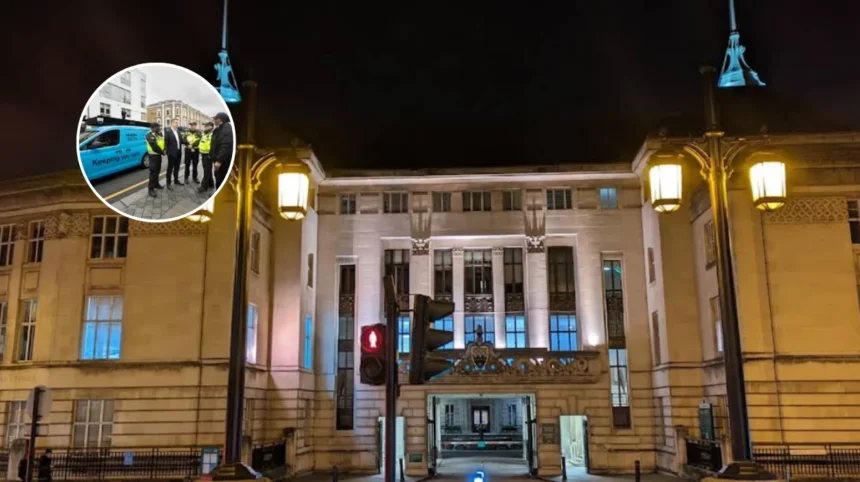
Wandsworth, (South London News) March 28, 2026 – Wandsworth Council’s Labour administration has announced plans to deploy neighbourhood wardens to patrol every town centre in the borough, building on the apparent success of a recent pilot in Balham. The initiative, costing £170,000 for its initial six-month trial, aims to combat rising antisocial behaviour, enhance street cleanliness, and bolster enforcement of Public Space Protection Orders (PSPOs). If the Labour-led council secures victory in the May local elections, the scheme could expand borough-wide, marking a significant push to improve public safety and support local retail.
- Key Points
- Why Is Wandsworth Launching Warden Patrols in Balham?
- What Success Has the Balham Pilot Shown So Far?
- How Does This Fit into Wandsworth’s Broader Antisocial Behaviour Strategy?
- What Concerns Led to the Balham Pilot Launch?
- Could Warden Patrols Expand to All Wandsworth Town Centres?
- What Role Do Public Space Protection Orders Play?
- How Much Will the Borough-Wide Rollout Cost?
- What Do Residents and Businesses Say About the Wardens?
- Is This Part of a National Trend in Council Patrols?
- What Happens If Labour Wins the May Elections?
- Challenges Ahead for Wandsworth’s Warden Scheme
- Broader Implications for South London Safety
Why Is Wandsworth Launching Warden Patrols in Balham?
The pilot scheme in Balham kicked off earlier this month, prompted directly by resident concerns channelled through the Balham Forum. As detailed in coverage by MyLondon, locals highlighted a perceived increase in antisocial behaviour, alongside worries over street cleanliness and inadequate enforcement of PSPOs. These orders, which councils use to restrict activities like begging or cycling in designated areas, have been a focal point for community feedback.
Wandsworth Council responded swiftly by introducing the wardens to assist retail security teams and deter nuisance activities.
Early feedback suggests the presence of these patrols is already reassuring residents. The council emphasised that the £170,000 investment over six months is yielding positive results in making streets feel safer, with wardens providing visible reassurance amid everyday challenges.
What Success Has the Balham Pilot Shown So Far?
Reports from the council indicate tangible benefits from the Balham trial. Wardens are not only patrolling but also collaborating with shop security to address issues proactively. As per MyLondon‘s reporting, the initiative has been credited with deterring antisocial behaviour and supporting broader cleanliness efforts.
Residents’ initial reactions, gathered via the Balham Forum, underscore a shift in perception. Where previous complaints centred on unchecked littering, rowdy gatherings, and PSPO violations, the wardens’ deployment appears to be restoring confidence.
The council has not released quantitative data yet, given the pilot’s recency, but qualitative accounts highlight safer shopping environments and reduced visible disorder.
How Does This Fit into Wandsworth’s Broader Antisocial Behaviour Strategy?
Wandsworth’s Labour administration views the Balham pilot as a blueprint for borough-wide action. The pledge to extend patrols to every town centre— including areas like Tooting, Clapham Junction, and Putney—hinges on electoral success in May. This comes amid a national conversation on urban safety, where councils increasingly deploy dedicated patrols to fill gaps in police resources.
The strategy aligns with Labour’s manifesto commitments in Wandsworth, focusing on community-led enforcement. PSPOs, already in place across parts of the borough to curb issues like street drinking or aggressive begging, would see stronger backing through warden oversight. Street cleanliness, a perennial gripe in high-footfall town centres, also factors heavily, with wardens empowered to tackle fly-tipping and litter hotspots.
What Concerns Led to the Balham Pilot Launch?
Local input was pivotal. The Balham Forum, a resident-led platform, amplified voices on escalating antisocial behaviour. Reports described incidents of youth loitering, public intoxication, and minor vandalism, eroding the area’s family-friendly vibe.
Street cleanliness complaints pointed to overflowing bins and sporadic fly-tipping, exacerbated by busy markets and nightlife.
Enforcement of PSPOs emerged as a weak link. While orders prohibit certain behaviours, consistent monitoring was lacking, allowing violations to persist. As covered comprehensively by MyLondon, these concerns prompted the council’s decisive action, framing the pilot as a direct resident response rather than top-down policy.
Could Warden Patrols Expand to All Wandsworth Town Centres?
Yes, contingent on the May elections. Wandsworth Council’s Labour group has explicitly pledged a full rollout if re-elected. This would mean dedicated wardens in key hubs like Earlsfield, Roehampton, and Battersea, extending the Balham model’s reach.
The proposal envisions sustained funding beyond the pilot, potentially integrating with existing community safety partnerships. Retailers stand to benefit most, with wardens acting as force multipliers for private security. Critics might question long-term costs, but proponents argue the investment pays off in reduced crime and boosted high streets.
What Role Do Public Space Protection Orders Play?
PSPOs are central to the scheme. These flexible tools allow councils to ban specific antisocial acts in public spaces, such as ball games in pedestrian zones or unauthorised trading. In Wandsworth, they target persistent issues like rough sleeping encroachments and noise pollution.
Wardens would enforce these orders on the ground, issuing warnings or fines where police priorities lie elsewhere. The Balham pilot tests this synergy, with early signs of compliance improvements. As MyLondon notes, stronger PSPO enforcement addresses a key resident demand, bridging gaps in statutory services.
How Much Will the Borough-Wide Rollout Cost?
The Balham pilot sets the benchmark at £170,000 for six months, covering salaries, training, and equipment for a small team. Scaling to all town centres could multiply this figure, though the council has not specified totals pending election outcomes.
Funding might draw from council budgets, precept hikes, or central government grants for community safety. Labour’s pledge implies fiscal planning, balancing expansion against competing priorities like housing and pothole repairs—familiar South London woes.
What Do Residents and Businesses Say About the Wardens?
Feedback from Balham is cautiously optimistic. Shop owners report fewer daytime disturbances, crediting the wardens’ visibility. Forum contributors note cleaner pavements and a dip in loitering around closing time.
No formal surveys exist yet, but anecdotal evidence aligns with council claims. Businesses, reliant on footfall, welcome the support, viewing wardens as neutral allies rather than heavy-handed enforcers.
Is This Part of a National Trend in Council Patrols?
Absolutely. Similar schemes operate in boroughs like Croydon and Lambeth, where street wardens tackle fly-tipping and vandalism. Wandsworth’s move mirrors Ealing’s Labour initiatives, as cross-referenced in MyLondon‘s related coverage on left-wing policies.
Post-austerity, councils nationwide are reviving warden roles amid strained policing. Success stories from Merton and Richmond suggest scalability, with data showing 10-20% drops in reported incidents.
What Happens If Labour Wins the May Elections?
Victory would trigger immediate planning for rollout, potentially starting with high-need areas like Tooting Broadway. Recruitment drives, PSPO reviews, and inter-agency tie-ups with the Met Police would follow.
Opposition Conservatives might pivot, but Labour’s manifesto locks in the commitment. Monitoring metrics—incident logs, resident polls—would gauge efficacy, with adjustments for underperformers.
Challenges Ahead for Wandsworth’s Warden Scheme
Sustainability poses risks. Beyond funding, wardens must navigate resident pushback on overreach or navigate complex PSPO legalities. Training ensures de-escalation skills, vital in diverse communities.
Integration with tech, like CCTV and reporting apps, could enhance impact—echoing Karachi’s own civic tools, though scaled to London contexts. Weather, staffing shortages, and election uncertainties loom large.
Broader Implications for South London Safety
Wandsworth’s ambitions signal a regional shift. Neighbouring boroughs watch closely, potentially emulating if results impress. For residents battling fly-tipping and potholes, visible patrols offer hope amid budget squeezes.