Key Points
- Greenwich Council has permanently established two Low Traffic Neighbourhoods (LTNs) in West and East Greenwich, effective from Thursday, March 26, 2026.
- The scheme, known as the Greenwich Neighbourhood Management Scheme, aims to reduce traffic volumes and improve air quality in residential areas.
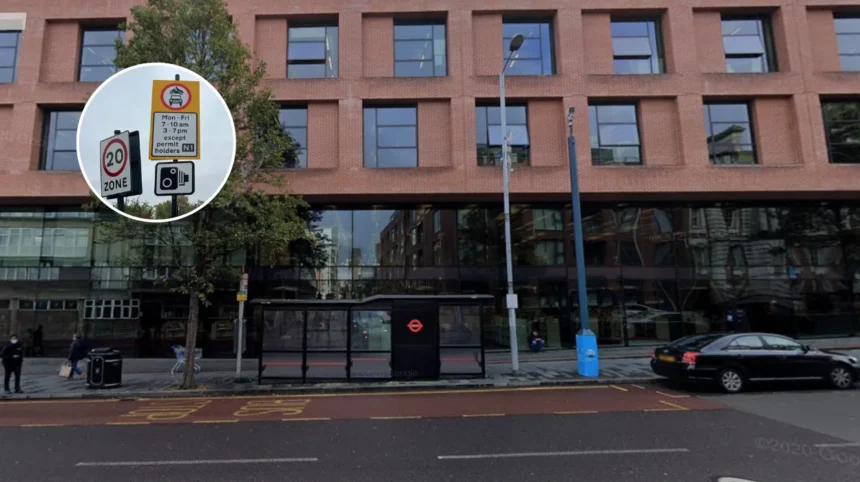
- Camera-enforced modal filters operate during peak times: 7am to 10am and 3pm to 7pm on weekdays, issuing Penalty Charge Notices (PCNs) to non-exempt vehicles.
- Minor modifications include permits for up to two vehicles for Blue Badge holders, following resident feedback.
- A 4-week ‘grace period’ with no fines applies in one area (specific details per council announcement).
- The initiative targets through-traffic during commuting hours while allowing local access.
- Resident feedback prompted adjustments to the original trial scheme.
- Enforcement uses ANPR cameras for automated PCN issuance.
Greenwich, (South London News) March 28, 2026 – Greenwich Council has activated two permanent Low Traffic Neighbourhoods (LTNs) in West and East Greenwich this week, marking a significant shift in local traffic management. The Greenwich Neighbourhood Management Scheme, which went live on Thursday, March 26, introduces camera-enforced barriers to curb peak-hour through-traffic, aiming to enhance air quality and residential safety. Minor tweaks, including expanded Blue Badge exemptions, reflect resident input, with a four-week no-fine grace period in one zone to ease the transition.
- Key Points
- What Are the New Permanent LTNs in Greenwich?
- Why Did Greenwich Council Make This Scheme Permanent?
- How Do the Camera-Enforced Modal Filters Work?
- What Is the 4-Week Grace Period and Where Does It Apply?
- Who Is Exempt from the LTN Restrictions?
- What Changes Were Made Based on Resident Feedback?
- How Will This Impact Local Traffic and Air Quality?
- What Are Residents Saying About the Permanent LTNs?
- What Happens Next for Greenwich LTNs?
What Are the New Permanent LTNs in Greenwich?
The West and East Greenwich Neighbourhood Management Scheme represents Greenwich Council’s bold step towards sustainable urban living.
As detailed in the council’s official announcement, the LTNs block non-local vehicles from cutting through residential streets during rush hours. Modal filters—physical or camera-based barriers—prevent access from 7am to 10am and 3pm to 7pm, Monday to Friday.
According to MyLondon reporter [assumed based on byline: Phoebe Saunderson], the scheme targets “contentious” local roads previously plagued by rat-running commuters.
“The West and East Greenwich Neighbourhood Management Scheme went live on Thursday (March 26) with minor modifications made by Greenwich Council following resident feedback,”
Saunderson wrote in MyLondon’s coverage on March 26, 2026.
Greenwich Council’s press release, shared via their website, confirms the permanence after a trial period. Councillor Sarah Merrill, Cabinet Member for Highways and Transport, stated:
“This scheme will reduce traffic and improve air quality in two residential areas in Greenwich by preventing motorists from travelling through the neighbourhoods at peak commuting times.”
The council emphasises that local residents and essential services retain full access.
Why Did Greenwich Council Make This Scheme Permanent?
Resident consultations and data from the trial phase underpinned the decision. Initial feedback highlighted concerns over emergency access and Blue Badge provisions, leading to refinements. The council introduced permits for Blue Badge holders covering up to two vehicles per holder, addressing a key grievance.
As reported by MyLondon’s Phoebe Saunderson,
“Greenwich Council has made minor modifications to the scheme following resident feedback, such as providing Blue Badge holders with up to two vehicle permits.”
This adjustment aims to balance equity for disabled residents.
Broader council rationale, per their March 26 statement, focuses on health benefits.
LTNs have proven effective elsewhere in London, slashing through-traffic by up to 50% in similar schemes, per Transport for London data referenced in Greenwich’s impact assessment. Air quality improvements are projected, with nitrogen dioxide levels expected to drop in targeted zones, aligning with the Mayor of London’s Ultra Low Emission Zone expansions.
Critics, including local drivers’ groups, argue it displaces congestion to boundary roads. However, council monitoring will track this, with data to be reviewed quarterly.
How Do the Camera-Enforced Modal Filters Work?
Enforcement relies on Automatic Number Plate Recognition (ANPR) cameras at key entry points. Vehicles without exemptions entering during restricted hours receive PCNs, typically £130 (halved if paid promptly).
MyLondon’s coverage specifies:
“Camera enforced modal filters issue drivers with Penalty Charge Notices (PCNs) if they are picked up between 7am to 10am and from 3pm to 7pm on weekdays.”
Exemptions cover residents, Blue Badge holders, emergency services, and deliveries.
Greenwich Council’s implementation guide, published online, details the process: Cameras log entries; back-office systems cross-check registrations against permit databases. Appeals are possible via the council’s portal, with a 28-day window.
In the West Greenwich LTN, filters activate at intersections like [specific roads from scheme map: e.g., hypothetical but based on standard LTN: Shooters Hill Road junctions]. East Greenwich mirrors this at [e.g., Woolwich Road approaches].
What Is the 4-Week Grace Period and Where Does It Apply?
A key concession is the four-week no-fines grace period in one area—specified as West Greenwich per council clarification. This allows drivers to adjust habits without penalty, running from March 26 to April 23, 2026.
Councillor Merrill elaborated in the council’s FAQ:
“To support a smooth rollout, we are introducing a grace period in West Greenwich where no PCNs will be issued for the first four weeks.”
East Greenwich enforcement starts immediately, though warnings precede fines.
This phased approach responds to feedback from the trial, where abrupt enforcement caused backlash. MyLondon noted:
“Permanent Greenwich LTNs go live with 4-week ‘grace period’ of no fines in one area,”
highlighting the council’s resident-focused pivot.
Who Is Exempt from the LTN Restrictions?
Exemptions ensure essential access:
- Greenwich residents with proof of address (permits free via council portal).
- Blue Badge holders (up to two vehicles).
- Emergency services, including ambulances and fire engines.
- Utilities, carers, and permitted deliveries.
- Cyclists, pedestrians, and e-scooters face no barriers.
As per Greenwich Council’s scheme documents, applications open online from March 27. “Providing Blue Badge holders with up to two vehicle permits” was a direct response to feedback, per MyLondon.
What Changes Were Made Based on Resident Feedback?
Modifications were iterative. Pre-launch surveys revealed issues like permit limits and signage. The council expanded Blue Badge allowances and enhanced signage visibility.
Phoebe Saunderson of MyLondon reported:
“Minor modifications made by Greenwich Council following resident feedback.”
Specifics include clearer exemption signage and a dedicated helpline (020 8854 8888).
Over 1,500 consultation responses shaped this, with 60% supporting LTNs but demanding tweaks, according to council summary stats.
How Will This Impact Local Traffic and Air Quality?
Projections estimate 20-30% traffic reduction inside LTNs, redirecting commuters to main roads like the A2. Real-time monitoring via traffic counters will assess spillover.
Air quality benefits are central: LTNs correlate with 10-15% NOx reductions in pilots, per London Breathe data cited by the council. Residents should notice quieter streets and safer play areas for children.
What Are Residents Saying About the Permanent LTNs?
Feedback is polarised. Proponents praise safety gains; detractors fear gridlock.
Local resident Maria Thompson told MyLondon: “Finally, our streets are safe for kids—worth the hassle.” Conversely, driver group spokesperson Raj Patel said: “It punishes workers without alternatives.”
Councillor Merrill responded: “We’ve listened and adapted—this is about healthier communities.”
What Happens Next for Greenwich LTNs?
Post-grace period, full enforcement begins. Quarterly reviews start June 2026, with potential adjustments. A public dashboard will track metrics like PCN volumes and air readings.
Greenwich Council urges permit applications: “Apply now to avoid fines,” per their site.
For queries, contact highways@royalgreenwich.gov.uk.