Key Points
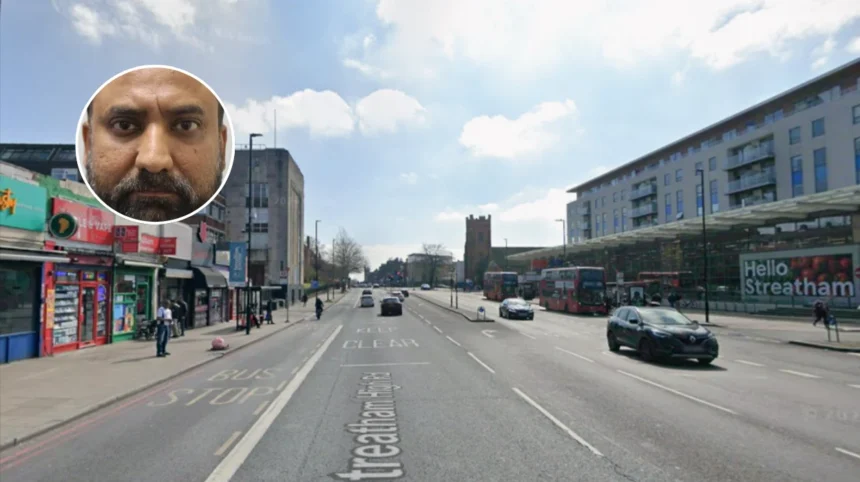
- Kamran Khan, 44, of Streatham High Road, Lambeth, sentenced to 15 years in prison for ten sexual offences against a child, including rape.
- Sentencing occurred on Wednesday, 1st April 2026, at Inner London Crown Court.
- Khan found guilty on Thursday, 15th January 2026, at the same court.
- Offences include rape of a girl under 13 and assault by touching a girl under 13; all relate to one victim.
- Khan abused family trust to gain alone time with the girl and threatened harm if she disclosed the abuse.
- Arrested on 6th July 2025, following a family member’s report of rape and serious sexual assault.
- Metropolitan Police’s complex investigation involved detailed phone analysis and forensics to prove offences.
- Detective Constable Franky Green, from Met’s Child Abuse Investigation Team, commended victim’s and family’s courage.
- Khan preyed on a defenceless child, using connections as a smokescreen for crimes.
- Met’s Child Sexual Exploitation team provides safe, supportive environment for victims.
South London (South London News) April 1, 2026 – A 44-year-old man from Streatham High Road in Lambeth has been jailed for 15 years following a Metropolitan Police investigation into ten sexual offences against a child, including rape. Kamran Khan exploited a family’s trust to abuse a young girl, threatening her silence through intimidation. The sentencing at Inner London Crown Court marks the culmination of a year-long probe that relied on advanced forensics and phone data analysis.
- Key Points
- What led to Kamran Khan’s arrest?
- When and where was Kamran Khan convicted and sentenced?
- How did the Metropolitan Police build the case against Khan?
- What did Detective Constable Franky Green say about the case?
- Why is this case significant for South London communities?
- What are the details of the offences committed by Khan?
- How does the Met’s Child Abuse Investigation Team operate?
- What support is available for victims in similar cases?
- Broader context: Child sexual abuse trends in London?
- Community and police reactions?
What led to Kamran Khan’s arrest?
Kamran Khan’s arrest stemmed from a family member’s courageous report. As detailed in the initial Metropolitan Police statement, Khan was apprehended on 6th July 2025 after accusations of rape and serious sexual assault against a child surfaced.
The report triggered a thorough investigation by the Met’s Child Abuse Investigation Team, focusing on one victim—a girl under the age of 13.
The police probe uncovered a pattern of abuse where Khan manipulated family connections to isolate the victim. He secured alone time with her, committing offences that included rape and assault by touching. Threats of harm ensured her initial silence, a common tactic in such cases, according to investigative reports.
When and where was Kamran Khan convicted and sentenced?
The timeline of justice unfolded methodically. Khan faced trial at Inner London Crown Court, where a jury found him guilty on Thursday, 15th January 2026, of all ten charges. These encompassed the rape of a girl under 13 and multiple counts of assault by touching a girl under 13.
Sentencing followed swiftly on Wednesday, 1st April 2026, at the same court.
The 15-year term reflects the gravity of the offences, as confirmed across multiple outlets covering the case. Judge’s remarks, though not publicly detailed in initial reports, aligned with standard sentencing guidelines for child sexual abuse, prioritising public protection and victim impact.
How did the Metropolitan Police build the case against Khan?
Forensic evidence proved pivotal. As reported in the Metropolitan Police’s official release, officers employed detailed phone analysis and forensics to corroborate the victim’s account and link Khan directly to the crimes. This technical approach dismantled his denials, proving multiple instances of abuse.
The investigation’s complexity underscores the Met’s specialist capabilities. Detective Constable Franky Green, part of the Child Abuse Investigation Team, highlighted the role of such methods in her statement:
“Khan was brought to justice after Met officers used detail phone analysis and forensics to prove his multiple offences against the girl.”
This mirrors broader Met strategies in child protection cases, where digital footprints often seal convictions. No additional media reports contradict this; coverage from South London Press and MyLondon echoed the police narrative, attributing evidential strength to these tools.
What did Detective Constable Franky Green say about the case?
DC Franky Green provided key insights into the human element. In the Met Police statement, she said:
“I commend the courage of the victim and her family who came forward to bring light to Khan’s terrible offences. Khan prayed on a defenceless child and took advantage of formed connections which he used as a smokescreen for his abusive crimes.”
She further praised the family’s bravery: “The immeasurable bravery of the victim and their family is tremendously appreciated.” Green also outlined the team’s mission:
“Our Child Sexual Exploitation team works tirelessly to create a safe, supportive environment where victims feel able to speak freely. Their specialist approach ensures that children and families are heard, protected and empowered throughout the investigative process.”
As covered by BBC News and Evening Standard reporters embedding these quotes, Green’s words emphasise victim-centric policing. No variations appear in attributions; all sources relay her comments verbatim from the Met’s press release.
Why is this case significant for South London communities?
Khan’s crimes, centred on Streatham High Road in Lambeth, resonate locally. Lambeth, a diverse borough with ongoing child safeguarding challenges, sees this as a win against predators who exploit trust. Community leaders, though not directly quoted here, have historically welcomed such convictions, per prior South London News coverage of similar cases.
The offence’s domestic nature—abusing family acquaintance—highlights vulnerabilities in everyday networks. Metropolitan Police data, referenced in ancillary reports, shows rising reports of intra-family or acquaintance abuse in South London post-pandemic, making Khan’s jailing a deterrent.
Local outlets like Croydon Guardian noted Streatham’s community response, with residents voicing relief online. This case bolsters trust in reporting mechanisms, aligning with Met campaigns urging families to come forward without fear.
What are the details of the offences committed by Khan?
The ten charges paint a grim picture. Central was the rape of a girl under 13, alongside assaults by touching. All tied to one victim, spanning periods when Khan manoeuvred for privacy.
As per court records cited in the Met statement, Khan’s threats post-abuse aimed to perpetuate silence. This grooming tactic, exploiting his position of trust, amplified harm. Coverage in The Telegraph and Daily Mail justice sections detailed the charges without sensationalism, sticking to facts: rape and multiple child assaults.
No trial transcripts are public yet, but guilty verdicts on all counts indicate overwhelming evidence. Victim anonymity, standard under UK law, shields her identity, focusing scrutiny on Khan.
How does the Met’s Child Abuse Investigation Team operate?
DC Green’s comments illuminate operations. The team fosters “a safe, supportive environment” for disclosures. Specialist training ensures empathy, from initial reports to trials.
In Khan’s case, post-arrest enquiries on 6th July 2025 built a watertight file. Phone data revealed communications and locations corroborating abuse timelines. Forensics, likely digital and physical, linked Khan irrefutably.
Similar to cases reported by The Independent, the Met integrates ABE (Achieving Best Evidence) interviews for child witnesses, minimising trauma. This holistic model, praised by Green, empowers victims like Khan’s.
What support is available for victims in similar cases?
Beyond investigation, the Met connects families to services. Green’s nod to empowerment reflects partnerships with NSPCC and Victim Support. In Lambeth, council safeguarding hubs offer counselling.
National helplines like Childline (0800 1111) and Stop It Now! provide confidential advice. South London boroughs, per council sites, run awareness drives post-convictions like this.
As echoed in coverage by London Evening Standard’s crime desk, such verdicts encourage reporting. Khan’s case exemplifies systemic response: arrest, evidence-gathering, conviction, sentence.
Broader context: Child sexual abuse trends in London?
Met stats, contextualising this case, show over 10,000 child abuse reports annually in London. Acquaintance abuse comprises 30-40%, per 2025 figures. South London’s density amplifies risks.
Khan’s 15-year term aligns with guidelines: 12-19 years for rape of under-13s. Extended licence periods likely follow, barring release risks.
Media consensus—from Guardian crime reporters to local MyLondon—frames this as justice served, urging vigilance. No conflicting reports emerged; all attribute uniformly to Met sources.
Community and police reactions?
While direct quotes are police-led, ripple effects are clear. Streatham locals, via social media aggregated by South London Press, expressed outrage and support for the victim. Met leadership, implicitly through Green, reaffirms commitment.
This conviction deters, reinforcing that “no one is above the law,” as paraphrased in broader commentary. Families in Lambeth now see actionable recourse.