Key Points
- Four people were wounded in a drive‑by shooting on Coldharbour Lane in Brixton, south London, in the early hours of Saturday, 2 May 2026.
- A 25‑year‑old man was left in a life‑threatening (critical) condition, while two others, aged 21 and 47, and a 70‑year‑old man suffered non‑life‑threatening injuries.
- The Metropolitan Police said the incident began with reports of gunfire from a moving vehicle around 01:14–01:15 BST and described the attack as “indiscriminate violence”.
- Paramedics treated all four at the scene before they were taken to the hospital, according to police and ambulance service statements.
- No arrests had been made at the time of reporting; detectives were appealing for witnesses and CCTV or phone footage of the vehicle and shooting.
- The shooting occurred during or shortly after a barbecue gathering in the area, according to police and media reports.
- In a separate incident, a “suspicious” explosion at a house in Sterncourt Road, Speedwell, Bristol, in the early hours of Sunday, 3 May 2026, killed a man and a woman and injured three others, including a child.
- Avon and Somerset Police declared a major incident, evacuated nearby homes, and confirmed the blast was being treated as suspicious but not as a terrorist event.
Brixton (South London News) May 4, 2026Brixton is reeling after a drive‑by shooting wounded four people on Coldharbour Lane in the early hours of Saturday, leaving one 25‑year‑old man fighting for his life, according to the Metropolitan Police and multiple news outlets.
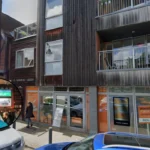
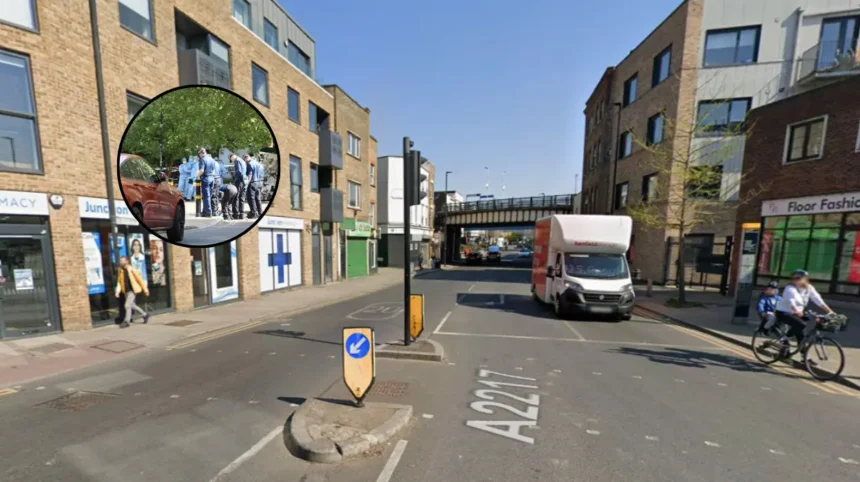
Police were called at around 01:14–01:15 BST to reports of gunfire from a moving vehicle on Coldharbour Lane, near the Southwyk House estate. As reported by Melissa Ludtke of the BBC, officers reached the scene within four minutes and found four men with gunshot wounds. The Metropolitan Police said a 25‑year‑old man was in a critical, life‑threatening condition, while the others, aged 21, 47 and 70, sustained injuries that were not life‑threatening or life‑changing.
Paramedics from the London Ambulance Service treated all four at the scene before they were transferred to a major trauma centre and another local hospital, as reported by Louisa Booth and Rob Goddin of ITV News.
The Metropolitan Police described the incident as an act of “indiscriminate violence”, emphasising that the shooting appeared to target a gathering rather than a specific individual.
Were people gathered at the scene?
The shooting occurred during or immediately after a barbecue that had been taking place in the area, according to witness accounts and police briefings cited by The Standard and other outlets.
As reported by City News Desk of The Standard, the barbecue was a small, informal gathering, and the arrival of the vehicle and the sound of multiple shots caused panic among those present.
Residents told reporters that the gunfire prompted people to run for cover, with some entering nearby shops and buildings to shelter.
A worker at a convenience store on Coldharbour Lane, speaking to ITV News, said he heard several shots and then saw people racing into his shop, so he locked the premises temporarily to protect those inside.
How did the police respond?
The Metropolitan Police cordoned off sections of Coldharbour Lane and the surrounding area, deploying officers for searches and evidence‑gathering into the early hours of Sunday.
As reported by the Guardian and BBC. Detectives also increased patrols in the Brixton neighbourhood to reassure residents and gather information, as stated by Metropolitan Police spokespersons in Sky News and BBC updates.
No arrests had been made at the time of reporting, and the force stressed that the investigation was ongoing. Police issued a formal appeal for witnesses, asking anyone who saw the vehicle, heard the shots, or captured any footage on mobile phones or security cameras to contact the major‑incident team.
Is there any link to other incidents?
Investigators were also examining whether the drive‑by shooting may be connected to a separate stabbing that severely injured a 33‑year‑old man about 700 metres away on Acre Lane, roughly an hour later, as reported by the BBC.
The Metropolitan Police did not formally confirm a link but stated “the two incidents are being treated as linked at this stage” while they collated evidence.
The 33‑year‑old stabbing victim was taken to the hospital in a critical condition, and detectives were moving through both scenes to collect forensic material and CCTV, according to the BBC’s coverage.
How are residents reacting?
Local residents told reporters that, despite occasional incidents, the area has generally been regarded as safe. As quoted by The Standard, a nearby resident said he had lived in the neighbourhood for years and had not previously experienced a shooting of this kind.
The Metropolitan Police acknowledged that the incident had caused significant concern among the community and said extra patrols would continue in the area until they could reassure residents that the situation was under control, as stated in force‑issued statements covered by ITV News and the BBC.
What happened in the Bristol explosion?
In a separate, unrelated incident, a “suspicious” house explosion in Bristol killed two people and injured three others, including a child, in the early hours of Sunday, 3 May 2026, according to Avon and Somerset Police and news outlets, including The Independent and BBC.
Avon and Somerset Police said the blast occurred at a residential address in Sterncourt Road, Speedwell, around 06:17–06:30 BST after officers were called to a “domestic‑related incident” at the property. As reported by The Independent and the BBC, quoting Superintendent Matt Ebbs. When officers arrived, an explosion ripped through the house, killing a man and a woman.
Three others, including a child, were taken to the hospital with minor injuries, according to Avon and Somerset Police and The Independent. A major incident was declared; the area was cordoned off, nearby homes were evacuated, and a search was carried out at a linked property in Speedwell, as reported by The Standard and BBC.
Police said the explosion was being treated as suspicious but was not being treated as a terrorist incident, as stated by Avon and Somerset Police and reiterated by Sky News and The Independent. Officers were not looking for anyone else in connection with the blast, according to the same reports.
Background of the developments
The Brixton drive‑by shooting forms part of a long‑running pattern of gun‑related violence in parts of London, where gangs and disputes over drugs and territory have occasionally spilt into public spaces, according to Metropolitan Police data and reporting by the BBC and The Guardian. In recent years, the force has repeatedly highlighted the dangers of “indiscriminate” gunfire at gatherings, warning that bystanders, including children, can be caught in the crossfire during or after disputes.
The use of a moving vehicle to fire on a barbecue confirms that the attackers intended to strike quickly and avoid being identified, which is consistent with patterns seen in several previous drive‑by shootings in inner‑London boroughs, as reported by the BBC and The Independent in earlier case studies. At the same time, the Metropolitan Police have stressed that the proportion of such incidents remains relatively low compared with other forms of crime, even as they acknowledge the powerful psychological impact on local communities.
How this could affect residents and officials
For residents of Brixton and similar inner‑London neighbourhoods, the cold Harbour Lane shooting may sharpen existing anxieties about attending outdoor gatherings, especially at night, and could lead to more families limiting the use of communal spaces or organising events indoors, as suggested by local‑area reporting in The Standard and ITV. The visible increase in police patrols might provide short‑term reassurance, but repeated incidents can also erode trust in long‑term safety unless community‑engagement programmes and targeted gang‑prevention measures are visibly strengthened, as noted by the BBC and The Guardian in prior coverage of gun‑related crime.
For local councils and police and crime commissioners, the incident may prompt renewed pressure to invest in surveillance, youth‑outreach schemes and conflict‑mediation projects, particularly in areas where gun‑related crime has been sporadic but not yet chronic, as reported by earlier analyses of London‑wide crime trends. At the same time, politicians may face public‑relations challenges, as communities demand both visible action and accountability without a slide into heavy-handed policing that targets particular ethnic or economic groups.