Key Points
- Dramatic Urban Transformation: Woolwich has shifted from an overlooked south-east London town centre into a major regeneration hotspot over the past decade.
- Infrastructure Catalysts: The opening of the Elizabeth line in 2022 drastically improved connectivity, cutting journey times and attracting a surge of commuters.
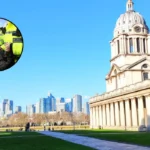
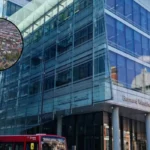
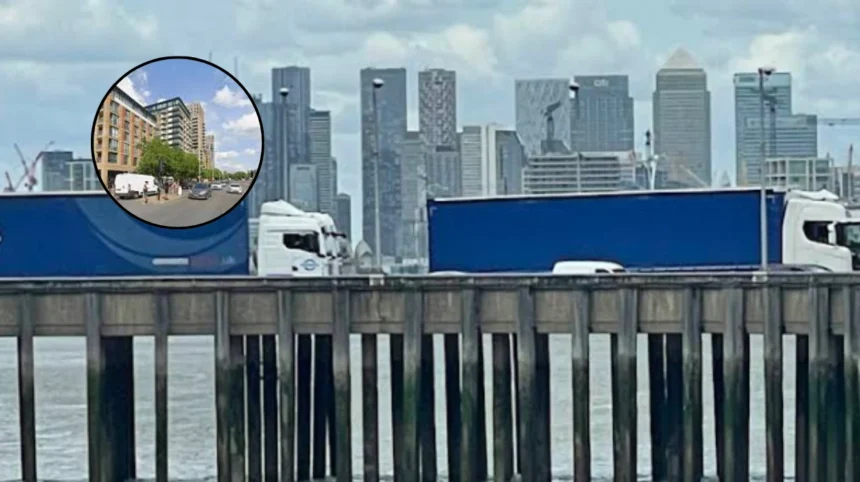
- Visual Evolution: Photographic evidence from 2008 to 2025 highlights the transition of the station area from an underdeveloped plot into a modern transport hub.
- Residential Expansion: The redevelopment of the Royal Arsenal Riverside has served as the anchor for the area’s physical and economic growth.
- Socio-Economic Friction: While the influx of investment has modernised the public realm, it has sparked local debate regarding gentrification and community cohesion.
Woolwich (South London News) May 18, 2026 –Woolwich has undergone one of the most dramatic transformations in south-east London over the past decade, shifting from a largely overlooked town centre into a key regeneration hotspot. Driven by major transport upgrades, large-scale housing developments, and multi-million-pound investments in culture and public spaces, the area today looks markedly different from how it did in the mid-2010s. This rapid urban evolution has repositioned the district within the broader London economy, drawing fresh capital and a new demographic of residents. However, while the physical change has been swift and visually profound, the process has not been without local controversy regarding the balance between modernisation and affordability.
The primary catalyst for this shift was the formal arrival of high-capacity transit links. The opening of the Elizabeth line in 2022 marked a permanent turning point for Woolwich, which for decades had lacked fast, direct connections into central London. According to property analysts and transport planners, the implementation of the new railway altered the area’s economic geography almost overnight. By cutting journey times to Canary Wharf, Liverpool Street, and the West End down to a fraction of their previous durations, the transit link rendered Woolwich significantly more attractive to professional commuters who had previously dismissed south-east London due to transit isolation.
The physical footprint of this infrastructure investment is heavily documented through local geographic records. The scale of change is clearly visible in Google Maps images spanning from 2008 through to 2025, which show the land around the station evolving from a relatively underdeveloped, industrial space into a major transport hub surrounded by modern high-rise buildings and newly landscaped public areas. The station itself has reshaped the surrounding environment, bringing increased footfall, commercial interest, and high-density residential development to its immediate periphery.
What Role Did The Royal Arsenal Riverside Play In Spurring Local Development?
Much of Woolwich’s physical transformation has been driven by the large-scale redevelopment of the Royal Arsenal Riverside. As documented by urban planning journalists covering the London Borough of Greenwich, the conversion of this historic, former military manufacturing site into a luxury riverside enclave created a template for the wider district’s master plan.
What was once an enclosed, industrial complex barred from public access has been progressively converted into thousands of modern apartments, mixed-use commercial units, dining spaces, and cultural venues.
This residential expansion fundamentally altered the local property market. As detailed by real estate correspondents across multiple regional publications, the stark contrast between the newly built, premium historic conversions along the river and the older, traditional town centre initially created two distinct economic zones within the same post code.
Over the last five years, local authority planning departments have actively sought to bridge this gap, using public realm funding to upgrade the connection between the high street and the riverside developments.
How Has Public Investment Impacted The High Street And Cultural Sectors?
In tandem with residential construction, significant funding has been directed toward the local cultural economy to ensure the area does not simply become a commuter dormitory.
The establishment of Woolwich Works, a major creative district set within the historic buildings of the Royal Arsenal, represented a multi-million-pound bet by the local council on the creative industries.
Journalists reviewing the development note that the site now hosts theatre companies, music venues, and artists’ studios, drawing visitors from across the capital.
Concurrently, the traditional high street has experienced a phased remodelling. Public realm upgrades funded by the London Borough of Greenwich and historic preservation grants have targeted Beresford Square and Powis Street.
These initiatives aimed to modernise the historic market spaces, introduce sustainable urban drainage systems, and improve pedestrian safety, though local traders have frequently noted that construction periods temporarily disrupted footfall for traditional businesses.
Background of the Woolwich Regeneration Scheme
The structural overhaul of Woolwich is rooted in long-term strategic planning dating back to the late 20th and early 21st centuries. Historically, Woolwich was an essential military and industrial hub, dominated by the Royal Arsenal, which employed tens of thousands of people at its peak.
However, the decommissioning of the Arsenal operations in the late 20th century left behind a massive economic void, leading to decades of high unemployment, low capital investment, and physical isolation from the rest of London.
Recognising the area’s latent potential, the London Borough of Greenwich, alongside the Greater London Authority (GLA), designated Woolwich as an “Opportunity Area” in the London Plan. The overarching framework aimed to utilise the district’s extensive river frontage and available brownfield land to deliver thousands of new homes and jobs.
The success of the entire master plan was fundamentally contingent upon the securing of the Crossrail (Elizabeth line) station, which required intense lobbying and financial contributions from both the private sector and local government to guarantee that the high-speed line would make a stop south of the river in Woolwich.
Prediction: How Future Phases Will Affect Residents And Local Businesses
The continued trajectory of the Woolwich regeneration scheme is projected to bring both distinct advantages and ongoing structural pressures to the local population over the next decade. For existing property owners and incoming professional commuters, the completion of the remaining residential phases along the riverside will likely secure long-term asset appreciation and maintain strong connectivity advantages.
The local business community will benefit from a larger, more affluent consumer base, which is expected to diversify the retail and dining offerings along the high street and within the market squares.
Conversely, the ongoing appreciation of land values presents measurable challenges for low-income tenants and long-standing independent traders. As private rental prices and commercial lease rates continue to adjust to Woolwich’s status as a premium transport hub, the risk of displacement remains high for vulnerable demographics. The long-term social sustainability of the area will heavily depend on whether local government frameworks can successfully mandate the delivery of genuinely affordable housing and protected commercial spaces for community-focused enterprises, ensuring the historical population is not priced out of the modernised district.