More than 170 arrests have led to a steady decrease in violent crime by a six-month facial recognition pilot in Croydon, as reported by the Metropolitan Police. Campaigners have been silently warning against the technological risks that have normalised mass surveillance across South London.
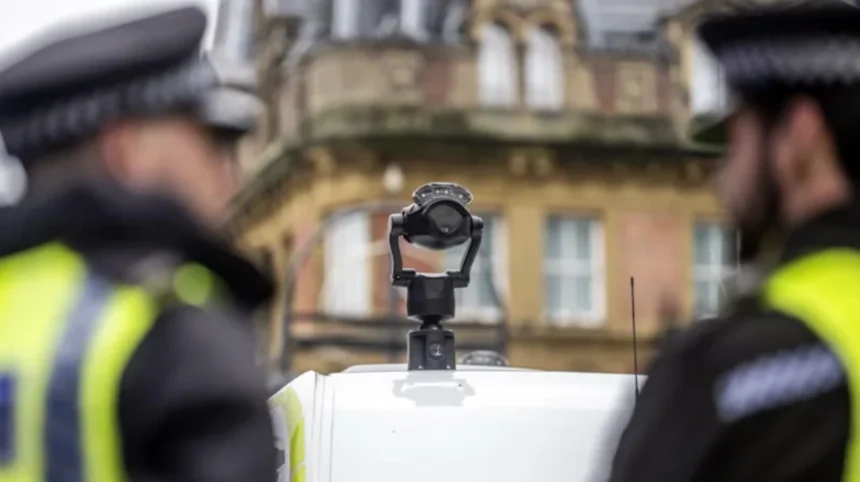
The trial ran between October 2025 and March 2026 and marked the first long term use of the fixed facial live recognition (LFR) camera in London, by the Metropolitan Police. The short-term van deployments used across the capital, were replaced by the static cameras that were installed around the Croydon city centre.
The Metropolitan police have so far reported 173 arrests across 24 different deployments, which include suspects wanted for robbery, assault, sexual offences and rape. The overall crime rate in the area has fallen by 10.5 percent, while hate crimes against women have seen a sharp decline of 21 percent as compared to the previous year.
A 41-year-old man was arrested on account of rape and a 36-year-old woman who had been illegally at large for more than twenty years after she failed to appear in court for an assault case back in 2004 was also arrested. Croydon was specifically chosen for the pilot usage because of increased anti-social behaviour and violent crimes and also robbery in the city centre.
The pilot has successfully helped the police to recognise dangerous suspects promptly, as reported by Detective Superintendent Lindsey Chiswick of the Metropolitan Police.
“Live facial recognition is helping us locate offenders who pose a risk to communities and victims. This pilot demonstrated how the technology can support frontline policing and help reduce harm,”
she said.
The expansion into facial recognition has been heavily criticised by civil liberties groups as they argue that it risks privacy rights in long term deployment of public spaces.
The met has been accused of transforming the borough into a “testing ground for mass surveillance” and the Croydon pilot has been referred to as ‘deeply concerning’ by campaign organisations such as Big Brother Watch
The campaigners have repeatedly raised their concerns about how facial recognition could potentially affect ethically diverse communities and that the legal safeguards in place are limited. The transparency of police watchlists and the safety of biometric data and processing have also been questioned.
Silkie Carlo, the group’s director, has previously warned that the expansion of LFR across London represents “an alarming escalation in biometric surveillance”.
The public reactions in Croydon have been mixed so far, some business owners and entrepreneurs agree that the cameras have helped in dealing with persistent issues regarding shoplifting and more anti-social behaviour. Most other residents and locals have complained about how uncomfortable they feel about the permanent style surveillance in their everyday lives.
One shop manager on North End said the cameras had made staff feel safer, while a local resident described the pilot as “creeping normalisation of monitoring”, as reported by the Metropolitan police.
It has been confirmed by the Met that facial recognition will continue to operate in Croydon despite the criticisms and there will be more deployments across London in the coming few months.
Police forces nationwide are increasingly adopting AI‑assisted tools to tackle crime amid pressure on resources, but campaigners say the technology still lacks sufficient independent oversight.
There has been an increase in adoption of AI-assisted tools to deal with crime and anti-social behaviour by police forces across London, amid intense pressure on resources available but campaigners continue to argue that the technology lacks sufficient independent oversight.
The debate over Croydon’s pilot is likely to intensify as the Met expands its use of facial recognition and as questions continue over how far surveillance should go on South London’s streets.