Key points
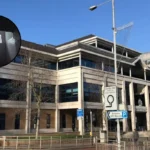
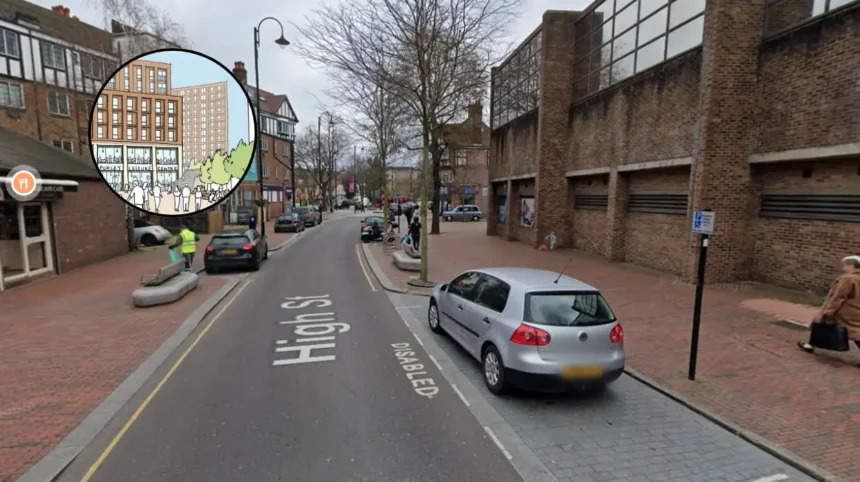
- The former Purley Leisure Centre site at 50 High Street, Purley, has been closed since March 2020 and remains fenced off with no construction yet underway.
- The wider site includes the old leisure centre, the former Sainsbury’s supermarket (closed in 2001), and a multi‑storey car park.
- The redevelopment is being led by developer Polaska Assets Limited, which holds the long lease on the site.
- Under the current plans, the existing buildings would be demolished and replaced with a new leisure centre, retirement “later‑living” housing, a care home, public space and new pedestrian links through Purley town centre.
- The new leisure centre would include a 25‑metre six‑lane swimming pool, a learner pool, gym, fitness studios, café, a soft‑play area and accessible facilities.
- The wider scheme also includes 180 later‑living flats and a 40‑bed care home, with the housing element intended to fund construction of the new leisure centre.
- Planning documents suggest the leisure centre could be leased back to Croydon Council for around £830,000 a year, although the precise terms have not been fully published.
- The original plans contained no affordable housing, prompting the Greater London Authority (GLA) to describe them as “wholly unacceptable”.
- Revised plans increased affordable housing to 10 per cent, still below London Plan targets but enough for the scheme to proceed.
- Maximum building heights were initially up to 12 storeys, but later versions were reduced following local objections.
- Public parking will be drastically cut: the current multi‑storey offers more than 400 spaces, while the redevelopment would leave only around 74 public spaces.
- Residents’ groups and local businesses have raised concerns over scale, affordable‑housing levels and transparency around the developer.
- Croydon Council’s planning committee approved the application in February 2025.
- The scheme was then referred to the GLA, which confirmed in December 2025 that it would not intervene, effectively clearing the project to go ahead.
- As of May 2026, however, no demolition or construction has started, despite an original timeline expecting demolition in 2024 and a new leisure centre opening by 2026.
Purley (South London News) May 22, 2026 – The long‑awaited redevelopment of the former Purley Leisure Centre site at 50 High Street has yet to break ground, even though Croydon’s planning and London‑level authorities have given it the green light. As reported by multiple local outlets covering the site, the complex of buildings and car park remains fenced off and unused more than six years after the Purley Pool first closed in March 2020. Local coverage has repeatedly stressed that the continued stagnation of the project stands in contrast to the original projections for a 2024 start and a 2026 opening for the new leisure centre.
- Key points
- What does the approved leisure‑centre plan include?
- Why did the pool close and why is redevelopment favoured over reopening?
- How did the affordable‑housing and design issues play out?
- How will the redeveloped site affect parking and local businesses?
- What is the current status and what has already been approved?
- Background of the Purley Pool‑Croydon development
- What could this development mean for its key audiences?
The site encompasses the former Purley Leisure Centre, the disused Sainsbury’s supermarket (which shut in 2001), and the adjacent multi‑storey car park, all of which are earmarked for demolition under the current scheme. The developer behind the project is Polaska Assets Limited, which holds the long lease on the site and is leading the £60‑plus million redevelopment. Officials and local press describe the plan as a mixed‑use regeneration of the town‑centre heart, aiming to replace an ageing cluster of buildings with a modern leisure hub and later‑living facilities.
What does the approved leisure‑centre plan include?
Detailed coverage of the planning documents, as outlined by property and planning‑focused outlets, shows that the new leisure centre would feature a 25‑metre six‑lane swimming pool, a separate learner pool, a gym, fitness studios, a café, a soft‑play area and accessible facilities for people with disabilities.
These elements are intended to create a “destination” leisure facility for residents across south Croydon, rather than just a basic community pool.
Planning‑board summaries and local news reports note that the leisure centre would be delivered alongside 180 later‑living flats and a 40‑bed care home, with the income from the housing element used to fund the construction of the leisure centre.
As reported by planning‑focused journalists, the agreement envisages that Croydon Council would take ownership and management of the new leisure centre once built, potentially leasing it back from the developer for around £830,000 per year.
However, several outlets have pointed out that the exact contractual and financial details of this arrangement have not been fully set out in public documents, leaving some questions unanswered for local residents.
Why did the pool close and why is redevelopment favoured over reopening?
Local political and community‑focused reporting explains that Purley Pool originally closed during the Covid‑19 pandemic in March 2020, but, unlike Croydon’s other leisure centres, it never reopened. Structural surveys later carried out for the council, as quoted in council‑statement coverage, indicated that the existing building would require millions of pounds of repairs, with estimates said to exceed £3 million.
Campaigners and community groups, however, have repeatedly disputed that assessment. According to campaigners quoted in local news features, they argued that the facility could have been restored and reopened at a lower cost than proposed for redevelopment.
The closure became a significant political issue in south Croydon, with executive mayor Jason Perry, as reported by political correspondents, making the reopening of the pool a key campaign pledge before he won the 2022 mayoral election.
Over time, the political and strategic focus shifted from reopening the existing structure towards a complete redevelopment of the wider site.
This pivot has been framed in official communications and planning‑document analyses as a way to secure a modern, energy‑efficient facility that can draw in users from across the borough, rather than simply patching an ageing building.
How did the affordable‑housing and design issues play out?
Equity and planning‑watch journalists have highlighted that the original planning application contained no affordable housing, which triggered strong criticism from the Greater London Authority (GLA).
As covered in GLA‑focused reporting, the London‑level planning body described the initial proposals as “wholly unacceptable” against the backdrop of London‑wide housing‑policy targets.
Following negotiations between the developer, Croydon Council and the GLA, revised plans were submitted that increased the affordable‑housing provision to 10 per cent of the residential element.
As summarised in planning‑commentary pieces, this level remains significantly below the requirements set out in the London Plan but was judged sufficient by the GLA to allow the scheme to proceed without a call‑in.
Design and height were also contested. Early versions of the scheme proposed buildings up to 12 storeys, but later iterations reduced the scale following objections from residents and local councillors.
Coverage by local‑issues reporters notes that residents’ associations raised concerns about the visual impact, overshadowing, and overall density of the development, particularly in relation to nearby homes and the town‑centre character.
How will the redeveloped site affect parking and local businesses?
A major point of contention in local business and community reporting has been the impact on parking. The current multi‑storey car park provides more than 400 spaces, yet under the redevelopment only about 74 public‑facing spaces would remain once the scheme is complete.
Business‑interest pieces and traders’ association statements, as quoted in hyperlocal coverage, warn that this reduction could damage footfall for town‑centre shops and increase competition for on‑street parking, particularly around Purley station and nearby retail units.
Residents’ groups have also raised broader concerns about the scale of the buildings, the relatively low level of affordable housing and what they describe as a lack of transparency surrounding the developer, Polaska Assets Limited.
Some campaigners quoted in community‑news outlets have said they feel decisions have been made behind closed doors, with limited opportunity for meaningful public input once the planning application was submitted.
What is the current status and what has already been approved?
Croydon Council’s planning committee formally approved the application in February 2025, as reported in council‑decision coverage and planning‑watch blogs. As noted in those reports, the application was then referred to the GLA for review, in line with framework rules for major developments.
In December 2025, the GLA confirmed it would not intervene, a decision that effectively cleared the way for the project to move towards construction.
However, as of May 2026, multiple South London‑focused outlets report that no demolition or construction work has yet begun on the site. The site remains fenced off and unused, with the original timeline—demolition in 2024 and a new leisure centre opening by 2026—now significantly delayed.
Background of the Purley Pool‑Croydon development
The Purley Pool redevelopment sits within a wider context of leisure‑centre rationalisation and town‑centre regeneration in the London Borough of Croydon. Over the past decade, the council has reviewed several ageing leisure facilities, citing rising maintenance costs and the need to upgrade them to modern standards. In the case of Purley, the structural‑survey estimates of more than £3 million in repairs placed the existing building beyond the scope of simple refurbishment in council‑level assessments, even as campaigners argued that less‑costly restoration was possible.
The site itself has long been a focal point in Purley’s town‑centre layout. The former Sainsbury’s store, closed since 2001, left a large footprint on the High Street, while the adjoining multi‑storey car park has served as a key parking node for shoppers and commuters.
Local‑history reporting notes that the cluster of buildings has represented a bottleneck in pedestrian movement, with limited through‑routes and a somewhat inward‑facing layout that does not fully integrate with the rest of the town centre’s retail and public spaces.
The decision to bundle the Purley Leisure Centre, the old supermarket and the car park into a single redevelopment has been framed by the council and the developer as a way to unlock a “brownfield” opportunity that would otherwise be difficult to retrofit incrementally.
Planning‑commentary pieces emphasise that such consolidated sites are rare in densely developed town centres, which makes the Purley proposal both attractive from a regeneration standpoint and sensitive from a community‑impact perspective.
What could this development mean for its key audiences?
For local residents in Purley and south Croydon, the main impact would depend on whether the promised modern leisure centre and later‑living facilities actually materialise as advertised. If the project is completed on time and within the revised scope, residents could gain a new, accessible swim and fitness hub that replaces the defunct Purley Pool, alongside additional housing stock tailored to older adults and a care home that may ease pressure on social‑care services. However, delays and a lack of clear communication so far may heighten scepticism among those who have seen the site remain unused for years after repeated promises of progress.
For local businesses and town‑centre operators, the balance of benefits and risks hinges on parking and footfall. A successful leisure centre could attract more visitors to Purley outside peak shopping hours, potentially supporting cafés, restaurants and nearby retailers. At the same time, the drastic reduction in public parking—down from more than 400 spaces to roughly 74—could displace short‑stay shoppers and commuters, increasing on‑street congestion and reducing convenience for customers who rely on cars.