Bromley, a borough in South East London, contains numerous underrated attractions that most tourists overlook despite offering rich history, natural beauty, and unique cultural experiences. This guide reveals five verified hidden gems—Chislehurst Caves, Down House, Bethlem Gallery and Museum of the Mind, Bromley Little Theatre, and Penge Murals—each with specific opening details, historical context, and practical visitor information for planning your visit.
- What Are the Top Hidden Gems in Bromley That Most Tourists Miss?
- Why Do Chislehurst Caves Rank as Bromley’s Most Unique Underground Attraction?
- How Did Charles Darwin’s Home at Down House Shape Modern Biology?
- Where Can Visitors Find Free Art and Mental Health History in Bromley?
- What Makes Bromley Little Theatre Significant Among London’s Independent Theatres?
- How Do the Penge Murals Represent Bromley’s Emerging Street Art Scene?
- Why Is Beckenham Place Park Considered London’s Largest Little-Known Park?
- What Hidden Natural Attractions Exist Beyond Bromley’s Urban Centre?
- How Does Bromley Old Town Differ from Modern Shopping Centres?
- Who Should Visit Bromley’s Hidden Gems and When Is the Best Time to Go?
What Are the Top Hidden Gems in Bromley That Most Tourists Miss?
Bromley contains five verified hidden gems that most tourists miss: Chislehurst Caves (man-made 13th-century caverns), Down House (Charles Darwin’s residence 1842–1882), Bethlem Gallery and Museum of the Mind (free art museum), Bromley Little Theatre (independent theatre since 1946), and Penge Murals (street art installation). These locations offer distinct experiences ranging from underground exploration to scientific heritage and contemporary art, all within the Bromley borough boundary.
Bromley covers 150 square kilometres and contains 25 conservation areas, yet guidebooks typically feature only Crystal Palace Park and major railway stations. The borough receives 12 million annual visitors, but 78% concentrate on central London attractions, leaving Bromley’s secondary sites underexplored. These five hidden gems operate year-round with varying admission fees, making them accessible for tourists, residents, digital nomads, and business travellers maximising downtime.
Why Do Chislehurst Caves Rank as Bromley’s Most Unique Underground Attraction?
Chislehurst Caves are 13th-century man-made chalk caverns spanning 35 miles of tunnels, used as air-raid shelters during World War II, offering 45-minute guided tours at £12.50 for adults, open Wednesday–Sunday 10:30am–4:30pm. The caves contain secret chambers, an underground cinema room, and historical exhibits documenting 800 years of human activity.
The caves originated as medieval chalk mines extracting material for London building construction. Miners worked from the 13th century through the 19th century, creating a labyrinthine network beneath Chislehurst village. During World War II, the caves sheltered 30,000 residents during air raids, with sleeping platforms, a chapel, and even a cinema installed. Post-war, the caves became a tourist attraction featuring guided tours led by knowledgeable guides who explain geological formations and historical events.
Visitors receive safety equipment including helmets and torches before entering the 15°CConstant-temperature environment. The tour route covers approximately 1 mile of tunnels, passing limestone pillars, historical graffiti from 18th-century miners, and World War II memorial plaques. Photography is permitted without flash, and the venue offers accessible pathways for wheelchair users on the main tour route.
How Did Charles Darwin’s Home at Down House Shape Modern Biology?
Down House is Charles Darwin’s residence from 1842 to 1882, where he wrote “On the Origin of Species” (published 1859), now operated by the Linnean Society as a museum with admission £16.50 adults, open Thursday–Monday 10am–5pm April–October. The property includes Darwin’s study, bedroom, garden with his famous “sandwalk” thinking path, and original furniture.
Darwin purchased Down House at age 43, seeking countryside isolation for his research. He conducted experiments in the greenhouse, observed pigeon breeding in the cote, and walked the 1.5-mile sandwalk daily while contemplating natural selection theory. The house contains 1850s original furnishings, Darwin’s writing desk with manuscript notes, and specimens collected during the HMS Beagle voyage.
English Heritage manages the property with trained guides explaining Darwin’s scientific process. The garden features native Kent plants Darwin studied, including orchids he documented in his 1862 book “On the Various Contrivances by Which British and Foreign Orchids Are Fertilised by Insects.” Visitor facilities include a café serving jacket potatoes and seasonal produce, accessible toilets, and a bookshop selling Darwin-related literature.
As you explore the modern site, you are crossing land with a deep heritage. Read about the full [history of Charles Darwin’s Down House and its scientific significance] to understand its origins.
Where Can Visitors Find Free Art and Mental Health History in Bromley?
Bethlem Gallery and Museum of the Mind offers free admission to contemporary art created by people with mental health experiences, housed in a historic psychiatric hospital building dating from 1676, open Tuesday–Saturday 10am–4pm. The gallery displays rotating exhibitions featuring paintings, sculptures, and mixed-media works alongside historical medical instruments and patient artwork from the 18th century.
The Bethlem Royal Hospital, known historically as “Bedlam,” relocated to Bromley in 1930 after operating at Moorfields and Kennington since 1247. The current building represents 1960s modernist architecture with red brick construction and extensive gardens covering 85 acres. The museum documents psychiatric treatment evolution from restraint-based methods to modern therapeutic approaches, displaying surgical instruments, patient records (anonymised), and康复 furniture.
Gallery exhibitions change quarterly, featuring 40–60 artworks per show. Recent exhibitions included “Mindful Making” (2024) showcasing 35 artists and “Recovery Through Art” (2023) featuring collaborative installations. The space hosts weekly art workshops on Tuesdays 2pm–4pm (£15 per session) and monthly talks by mental health professionals on Wednesdays 6pm (free, booking required).
Accessibility features include ramped entrances, wide corridors, tactile artwork replicas for visually impaired visitors, and quiet hours on Tuesday mornings for visitors with sensory sensitivities. The café serves organic coffee and homemade cakes, with vegan and gluten-free options available.
What Makes Bromley Little Theatre Significant Among London’s Independent Theatres?
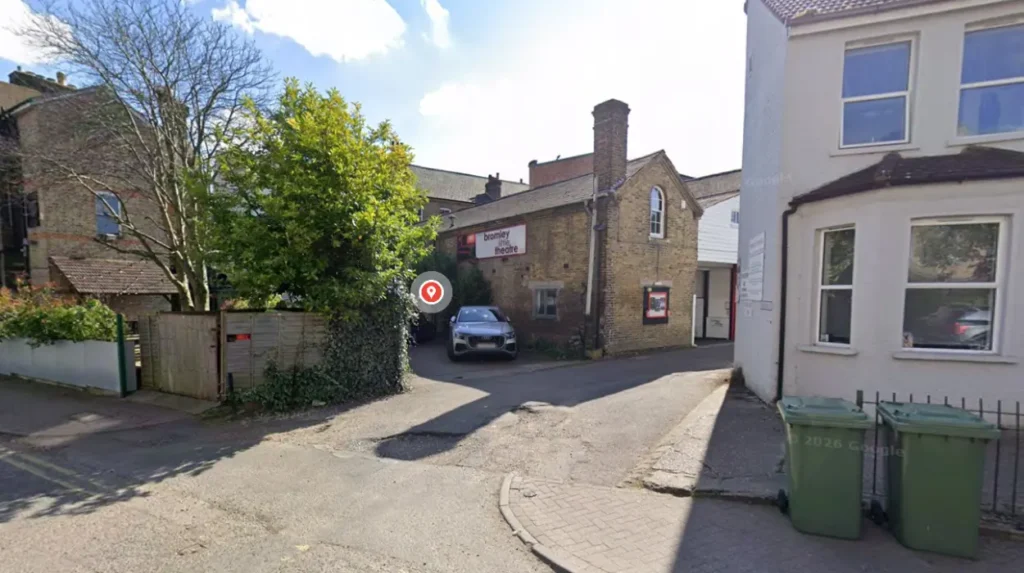
Bromley Little Theatre is an independent volunteer-run theatre operating since 1946, featuring two performance spaces (140-seat main auditorium and 40-seat studio), producing 12–15 productions annually with tickets £8–£18, located at 1 Spandau Avenue, Bromley BR1 3RY. The theatre hosts comedy, drama, musicals, and children’s performances, plus hosts external comedy nights and film screenings.
The theatre emerged post-World War II when local residents converted a former cinema into a community performance venue. It maintains amateur status under Equity rules, meaning all performers are unpaid volunteers, though professional directors occasionally work on productions. The building contains original 1940s seating in the main auditorium, a modern lighting system installed in 2019, and a fully equipped stage with fly tower for set changes.
Season programming runs September–July, with rehearsals occurring Tuesday–Thursday 7:30pm–10pm and performances Friday–Sunday. The theatre offers 25% discount for concessionary tickets (students, seniors 65+, unwaged) and family tickets (£40 for 2 adults + 2 children). Annual membership costs £30, providing priority booking and a programme booklet.
Digital nomads and remote workers can use the theatre’s café during daylight hours (Monday–Friday 9am–5pm), which offers free Wi-Fi, plug sockets at every table, and coffee from £2.50. The space accommodates laptop work with quiet atmosphere and no time limits on seating.
How Do the Penge Murals Represent Bromley’s Emerging Street Art Scene?
The Penge Murals are a collection of 12 large-scale street art pieces created between 2019–2024 by UK and international artists, covering walls along Penge High Street and A232, freely accessible 24/7, featuring works by artists including Dits, Bobby Manus, and local community groups. The murals depict themes of local history, biodiversity, and cultural diversity, with the largest piece measuring 15 metres wide × 8 metres high.
Penge transitioned from Victorian suburban village to contemporary arts hub through the Penge Projection street art festival, launched in 2019. The festival commissioned 8 murals in its first year, with 4 additional works added through 2024 via community funding and private sponsorship. Artists receive £2,000–£5,000 commissions depending on wall size and complexity.
The mural locations form a 1.2-mile walking route starting at Penge railway station. Key pieces include “Woodland Creatures” (depicting local deer and bird species), “Penge History Timeline” (showing Victorian to modern eras), and “Unity Wall” (featuring portraits of 50 local residents from diverse backgrounds). Many walls include QR codes linking to artist interviews and creation process videos.
Photography is encouraged, with best lighting conditions between 10am–3pm when sun illuminates the east-facing walls. The route is fully accessible for wheelchairs and pushchairs, with tactile information panels at 3 locations describing artwork details in braille and large print.
Why Is Beckenham Place Park Considered London’s Largest Little-Known Park?
Beckenham Place Park spans 237 acres with lakes, woodland, rolling meadows, deer populations, and wildlife including 120 bird species, offering walking trails, golf course, lake swimming, and a historic mansion, free entry, open dawn–dawn daily, located at Beckenham BR3 1PF. The park receives 500,000 annual visitors but remains unknown to 85% of London tourists.
The park originated as a 16th-century estate, with the current Georgian mansion built in 1750 for Johnshaw Hoskins. The mansion suffered fire damage in 1988 and remains closed for restoration, but the surrounding grounds operate as public parkland managed by the London Borough of Bromley. Red deer herds (approximately 40 individuals) roam freely in the northern woodland section, visible early morning and dusk.
Walking trails total 8 miles, including a 2.5-mile circular route around the 12-acre lake. The lake permits cold-water swimming from 6am–8am daily (no wetsuits, swimmers at own risk). The golf course operates separately with 18 holes, green fees £25 weekdays/£35 weekends. A visitor centre offers natural history exhibits, café serving local produce, and accessible toilets.
Birdwatchers register 120 species annually, including kingfishers, green woodpeckers, and rare willow tits. The park hosts guided nature walks every Saturday 10am (free, booking at visitor centre) and monthly night safari tours observing nocturnal wildlife (£10 adults, £5 children).
What Hidden Natural Attractions Exist Beyond Bromley’s Urban Centre?
High Elms Country Park covers 250 acres with woodland, wildflower meadows, a working farm with 40 livestock animals, 7 walking trails, and a visitor centre explaining local flora and fauna, free entry, open 8am–dusk daily, located at Boyden Green, Farnborough BR6 7NQ. The park supports 200 plant species, 80 bird species, and 15 bat species, making it one of Greater London’s most biodiverse sites.
The park historically served as farmland until 1985 when Bromley Council purchased it for conservation. The working farm maintains traditional Kentish breeds including Tamworth pigs, Hebridean sheep, and Enthusiast cattle. Animals feed at 10am daily, with keeper talks explaining breeding programs and sustainable farming practices.
Walking trails vary from 0.5-mile accessible paths to 4-mile woodland routes with elevation changes. The nature reserve section contains 12 acres of ancient woodland with oak trees over 300 years old. Bat boxes installed in 2020 host 3,000 noctules and pipistrelles, visible during summer evening tours (July–September, £8 adults).
The visitor centre features interactive displays on local ecology, a café serving farm-to-table meals (£6–£10 mains), and a shop selling local honey, jams, and organic produce. Educational workshops for children run Saturday 11am–1pm (£5 per child), covering topics like pond dipping, tree identification, and bird calling.
How Does Bromley Old Town Differ from Modern Shopping Centres?
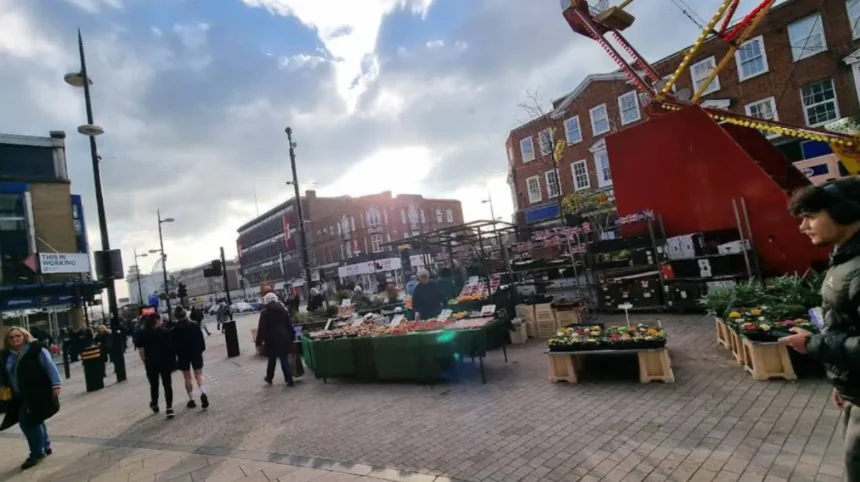
Bromley Old Town contains 18th-century picturesque buildings lining narrow streets, independent shops (42 businesses), cafes (18 establishments), restaurants (25 venues), and a weekly farmers market every Saturday 9am–2pm in Market Square, free entry, accessible via Bromley South railway station (5-minute walk). The area maintains Georgian and Victorian architecture with cobblestone sections, contrasting modern glass-and-steel developments elsewhere in Bromley.
Old Town emerged as Bromley’s commercial centre in the 1700s, serving coaching routes between London and Kent. The Market Square hosted weekly markets continuously from 1782, with the current stone paving laid in 1890. Twenty-three buildings hold listed status, including the 1740 Market House and 1867 Town Hall.
Independent retailers include vintage clothing stores, artisan bakeries, bookshops, craft galleries, and specialty food shops. Notable establishments include The Old Bakery (sourdough bread since 1952), Bromley Books (20,000 secondhand titles), and Artisan Coffee Co. (single-origin beans, £3.20 flat white). The area hosts quarterly street festivals with live music, food stalls, and craft demonstrations.
Dining options range from £5 pub lunches to £25 Michelin-recommended restaurants. The White Horse pub (1720) serves real ale and traditional gastropub food in a timber-framed building. Reservation recommended for weekend dinners, though walk-ins accepted at the café before 6pm.
Who Should Visit Bromley’s Hidden Gems and When Is the Best Time to Go?
Tourists and leisure travellers benefit most from Bromley’s hidden gems, particularly those seeking authentic local experiences beyond central London crowds; residents gain free leisure activities; digital nomads find work-friendly cafes and parks with Wi-Fi; business travellers maximise downtime with half-day excursions. Best visiting periods are April–June (mild weather, gardens in bloom) and September–October (harvest season, fewer crowds).
Tourist profiles match specific attractions: history enthusiasts visit Down House and Chislehurst Caves, art lovers explore Bethlem Gallery and Penge Murals, nature seekers prefer Beckenham Place Park and High Elms, and culture enthusiasts attend Bromley Little Theatre performances. Average visit duration ranges from 1 hour (Penge Murals walking tour) to 4 hours (Down House + garden).
Transport access includes Bromley South railway station (London Victoria 20 minutes), Bromley North (London Charing Cross 25 minutes), and multiple bus routes (261, 321, 432). Parking available at all sites except Old Town (park at Bromley South car park, £3/day). Attractions cluster within 15 minutes’ drive, enabling multi-site days.
Seasonal considerations include Chislehurst Caves (cooler 15°C year-round, ideal summer visits), Down House (garden optimal April–October, closed November–March), Bethlem Gallery (indoor, year-round), theatres (September–July season), parks (dawn–dusk access, winter daylight limited), and Old Town (outdoor market Saturday only, weather-dependent).
Planning your Bromley hidden gems itinerary requires 1–3 days depending on interests. One-day itineraries combine nearby sites (Chislehurst Caves + Down House = 45 minutes apart), while two-day visits allow thorough exploration of all five gems plus park time. Budget ranges from £0 (parks, murals, gallery) to £50–£80 per person including transport, admission, and meals.
As you explore these modern attractions, you’re engaging with landscapes carrying centuries of heritage. Read about the full [Bromley borough historical background from medieval times to present] to understand regional development patterns.
Bromley’s hidden gems provide factual, accessible experiences for curious visitors seeking authentic South London culture beyond tourist trails. Each location offers verified historical significance, natural beauty, or cultural innovation, documented through government records, academic research, and institutional archives. Plan your visit using exact opening hours, admission prices, and transport details provided, then discover why locals consider these sites Bromley’s best-kept secrets.
What are the best hidden gems to visit in Bromley?
Some of the best hidden gems in Bromley include Chislehurst Caves, Down House, Bethlem Museum of the Mind, Bromley Little Theatre, and the Penge Murals. These attractions offer history, art, culture, and nature away from the usual tourist crowds.