Key Points
- Lambeth’s Garden Museum Neighbours Day returns on Sunday 12 July 2026 and is free for all attendees.
- The event is aimed at residents of the borough of Lambeth, with a focus on community reuniting through shared activities.
- Visitors can explore the Garden Museum, learn about its history, and enjoy live music as part of the day’s programme.
- The festival is intended to strengthen community ties and foster local connections across Lambeth.
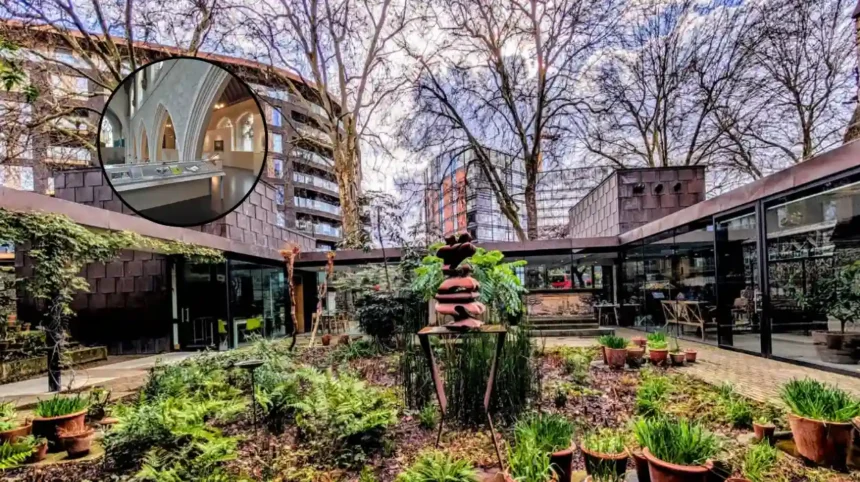
- The Garden Museum is located along the River Thames in the historic church of St Mary-at-Lambeth, a medieval building with centuries of history.
- The museum celebrates British gardening history through exhibitions, talks, and annual community events such as Neighbours Day.
- This is the annual edition of Neighbours Day, indicating it is a recurring community fixture rather than a one-off event.
- No specific ticketing or registration requirements are mentioned in the available information, implying general free public access for residents.
Lambeth (South London News) 3 July 2026 – Lambeth’s Garden Museum Neighbours Day is back on Sunday 12 July 2026, offering borough residents a free, community-focused festival that combines museum access, live music, and activities designed to strengthen local ties. The event, hosted by the Garden Museum on the River Thames, marks another year of the museum’s annual commitment to bringing neighbours together through shared cultural and historical experiences.
- How Does Neighbours Day Support Community Building in Lambeth?
- What Can Visitors Expect at the Garden Museum on 12 July 2026?
- Where Is the Garden Museum and Why Is Its Location Significant?
- How Does the Garden Museum Celebrate British Gardening History Through Neighbours Day?
- Who Is Neighbours Day Aimed At and How Can Residents Participate?
- When and How Long Will Neighbours Day Run on 12 July 2026?
- Background: The Development of Neighbours Day and the Garden Museum’s Community Role
- Prediction: How Could Neighbours Day Affect Lambeth Residents and Local Community Life?
How Does Neighbours Day Support Community Building in Lambeth?
The Neighbours Day festival is explicitly framed as a way to “reunite the community through shared activities” and to help residents “foster community ties”.
By making the event free and open to all borough residents, the Garden Museum removes financial barriers that often limit participation in cultural events, thereby widening access to its programmes.
Live music and interactive activities are central to the day, creating a relaxed atmosphere where people from different parts of Lambeth can meet, interact, and engage with one another outside of their usual routines. This approach aligns with broader community development principles that emphasise shared experiences as a catalyst for stronger local networks and a sense of belonging.
What Can Visitors Expect at the Garden Museum on 12 July 2026?
Attendees at Neighbours Day will have the opportunity to explore the Garden Museum and “educate themselves on its history” while enjoying live music and other shared activities.
The museum’s setting within St Mary-at-Lambeth, a medieval church with centuries of history, adds a distinctive historic backdrop to the festival.
Key elements of the day include:
- Guided or self-led exploration of the museum’s exhibitions and collections.
- Live musical performances designed to create a festive, inclusive atmosphere.
- Activities that encourage interaction between neighbours and local groups.
No further details on specific workshops, performances, or timed programmes are provided in the current announcement, suggesting that the full schedule may be released closer to the event date.
Where Is the Garden Museum and Why Is Its Location Significant?
The Garden Museum is located along the River Thames in South Lambeth, housed in the historic church of St Mary-at-Lambeth.
This medieval building carries centuries of local and national history, including associations with Lambeth’s religious and civic past.
The Thames-side location makes the museum accessible to residents travelling by bus, cycle, or foot from different parts of the borough, and it situates the event within a well-known public riverspace often used for leisure and community activities.
The combination of a historic building and a prominent riverside setting enhances the appeal of Neighbours Day as both a cultural and a place-based event.
How Does the Garden Museum Celebrate British Gardening History Through Neighbours Day?
The Garden Museum’s core mission is to celebrate
“the rich history of British gardening and the individuals who have shaped that history”
through exhibitions, talks, and community events.
Neighbours Day functions as one of the museum’s annual community events, extending its educational remit beyond traditional gallery visits into a more social, participatory format.
By integrating museum access with festival-style activities, the institution allows residents to engage with gardening history in a less formal environment, potentially making the subject more approachable for people who might not otherwise visit a museum.
This approach can help broaden the museum’s audience and reinforce its role as a local cultural hub rather than solely a specialist garden-history venue.
Who Is Neighbours Day Aimed At and How Can Residents Participate?
Neighbours Day is “aimed at residents of the borough of Lambeth” and is presented as a “fun and memorable summer experience” for those “looking for” such an event.
The announcement does not specify age restrictions, ticketing, or registration, which implies that the day is open to all Lambeth residents without the need for advance booking.
Residents can participate by:
- Attending the museum on Sunday 12 July 2026.
- Taking part in the day’s activities and live music.
- Exploring the museum’s exhibitions and history.
Local community groups, schools, and neighbourhood initiatives may also find Neighbours Day a useful platform for outreach and engagement, though no specific partnerships are mentioned in the current announcement.
When and How Long Will Neighbours Day Run on 12 July 2026?
The event is scheduled for Sunday 12 July 2026, with opening described as a single-day festival. No specific opening or closing times are provided in the announcement, suggesting that full timings may be confirmed in follow-up communications or on the museum’s website as the date approaches.
Given that the day includes live music, museum access, and activities, it is likely to run through much of the daylight hours, similar to comparable summer community festivals in London. Residents planning to attend should check the Garden Museum’s official channels for the most up-to-date information on opening times and any additional programme details.
Background: The Development of Neighbours Day and the Garden Museum’s Community Role
Neighbours Day is an annual festival organised by the Garden Museum, indicating that it is part of a longer-running programme of community-focused events rather than a new initiative.
The museum, housed in St Mary-at-Lambeth on the Thames, has positioned itself not only as a specialist institution for British gardening history but also as a local cultural destination that actively engages with Lambeth residents.
The decision to make Neighbours Day free and to centre it on community reuniting reflects a strategic emphasis on accessibility and local engagement.
This approach supports the museum’s broader goal of using exhibitions, talks, and events to connect people with gardening history while simultaneously strengthening social ties within the borough.
Over time, recurring events like Neighbours Day can become embedded in the local calendar, contributing to a sense of continuity and shared identity among Lambeth residents.
Explore More Lambeth News
Lambeth Libraries Launch Time Travel Reading Adventure 2026; Lambeth, 2026
Lambeth Celebrates Somali Community with Town Hall Reception 2026
Prediction: How Could Neighbours Day Affect Lambeth Residents and Local Community Life?
If Neighbours Day continues as an annual, free, and accessible event, it is likely to have a growing impact on Lambeth’s community life in several ways.
First, regular attendance can help residents form new social connections, particularly in areas where neighbourhood fragmentation or limited local interaction is a concern.
Second, by combining museum access with festival-style activities, the event may encourage more residents to visit the Garden Museum beyond Neighbours Day, potentially increasing long-term engagement with its exhibitions and talks. This could support the museum’s audience development goals and reinforce its role as a community hub.
For local community groups, schools, and neighbourhood initiatives, Neighbours Day offers a recurring platform for outreach, collaboration, and public engagement.
As the event gains recognition, it may also become a reference point in discussions about Lambeth’s cultural and community infrastructure, contributing to the borough’s reputation for accessible, resident-focused cultural programming.