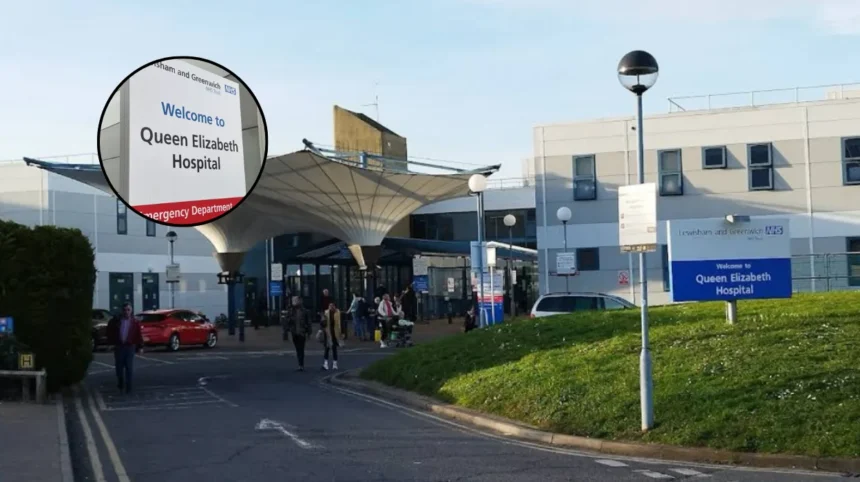
Key Points
- Campaigners from Reclaim the NHS have raised concerns about the Private Finance Initiative (PFI) contract for Queen Elizabeth Hospital (QEH) in Woolwich, which has only four years remaining until expiry in 2030.
- The group flagged poor service levels and financial risks to Lewisham & Greenwich NHS Trust linked to the QEH and Lewisham Hospital PFI contracts.
- At a Lewisham & Greenwich NHS Trust board meeting on 28 April 2026, the trust said it could not comment publicly due to commercial confidentiality and ongoing discussions with the contractors.
- QEH’s PFI is with Meridian Hospital Company, which built and operates the hospital and is responsible for maintenance; monthly performance reports have not been agreed by the trust since July 2022.
- The National Audit Office has highlighted risks of service disruption as PFI schemes come to an end, a concern particularly relevant as QEH’s contract nears its 2030 expiry.
- Lewisham & Greenwich NHS Trust states it is following Government guidance from the National Infrastructure and Service Transformation Authority (NISTA) to exit both PFI contracts while mitigating liability risks at handback.
- Reclaim the NHS says it will continue to press for information on maintenance issues under the PFI contracts and oppose any proposed new PFIs in the NHS.
Woolwich (South London News) July 3, 2026 – Campaigners are raising serious concerns about the future of services and financial risks at Queen Elizabeth Hospital (QEH) in Woolwich as its Private Finance Initiative (PFI) contract with Meridian Hospital Company approaches its 2030 expiry, with only four years remaining on the deal.
- Key Points
- Why Are Campaigners Worried About Maintenance and Service Levels at Queen Elizabeth Hospital?
- What Risks Does the National Audit Office Highlight for End-of-PFI Transitions?
- How Has Lewisham & Greenwich NHS Trust Responded to the Campaigners’ Concerns?
- What Is the Trust’s Official Position on Exiting the PFI Contracts?
- How Did the PFI Contract for Queen Elizabeth Hospital Begin?
- What Is the Situation at Lewisham Hospital’s PFI Contract?
- How Have Past Disputes and Outsourcing Issues Affected the Trust?
- What Could Happen as the PFI Deal for Queen Elizabeth Hospital Comes to an End?
- How Could Staff and Local Communities Be Affected by the PFI Exit Process?
- What Are the Longer-Term Implications for NHS Policy and Future PFI Use?
- Background: The Development of the PFI Contracts and Recent Campaign Concerns
- Prediction: How This Development Could Affect Patients, Staff, and Local Communities
As reported by the journalist covering the meeting for Salamander News, campaigners from Reclaim the NHS raised questions at a Lewisham & Greenwich NHS Trust board meeting on 28 April 2026 about poor service levels and the financial risks to the trust as the PFI contracts for QEH and Lewisham Hospital come to an end.
The campaigners’ concerns focus on the maintenance and performance standards under the PFI, the potential for service disruption as the contracts conclude, and the broader implications for the trust’s finances and patients’ access to care.
Why Are Campaigners Worried About Maintenance and Service Levels at Queen Elizabeth Hospital?
According to Meridian Hospital Company’s latest annual report,
“monthly performance reports have not been agreed by the Trust since July 2022”
and associated deductions are “under discussion”.
As reported by the Salamander News journalist, this dispute over performance reporting is a particular concern as the PFI is coming to an end, because unresolved maintenance issues could leave the trust with significant liabilities or unexpected costs when the contract is handed back.
What Risks Does the National Audit Office Highlight for End-of-PFI Transitions?
The National Audit Office has outlined risks of service disruption as PFI schemes come to an end.
Campaigners argue that, in the context of QEH, these risks could materialise in the form of delayed maintenance work, reduced service quality, or financial pressure on the trust if defects are identified late in the contract period.
How Has Lewisham & Greenwich NHS Trust Responded to the Campaigners’ Concerns?
At the 28 April 2026 board meeting, the trust said it could not comment publicly due to commercial confidentiality and current discussions with the contractors.
As reported by Salamander News, this response was criticised by campaigners who felt the public deserved more transparency about the state of the PFI contracts and the potential risks to hospital services and trust finances.
What Is the Trust’s Official Position on Exiting the PFI Contracts?
A Lewisham & Greenwich NHS Trust spokesperson stated:
“The trust is working towards exiting both its PFI contracts, in 2030 for Queen Elizabeth Hospital, Woolwich and 2036 for University Hospital Lewisham’s Riverside building. In doing so it is following a best practice methodology set by the Government’s National Infrastructure and Service Transformation Authority (NISTA).”
The trust further said it is working with its PFI partners on both sites “to ensure maximum value for money on both contracts and to ensure optimum service delivery for our patients, colleagues, and stakeholders”.
It added that
“any liability risk to the Trust at hand back of the PFI assets is mitigated through the application of the NISTA approach to PFI exit planning”.
How Did the PFI Contract for Queen Elizabeth Hospital Begin?
Queen Elizabeth Hospital in Woolwich has a PFI contract with Meridian Hospital Company, which built the hospital, began operating it in 2001, and now maintains it.
The contract is due to end in 2030, giving the trust four years from mid-2026 to complete its exit planning and resolve outstanding performance and maintenance issues.
Reclaim the NHS’s briefing for new councillors notes that QEH was “a large contract with a capital value of £96m” that began operations in 2000 and is due to expire in 2030.
What Is the Situation at Lewisham Hospital’s PFI Contract?
Lewisham Hospital’s Riverside building is covered by a separate PFI contract with Ravensbourne Health Services Ltd, which began in 2006 and is due to end in 2036.
Campaigners have raised similar concerns about service levels and financial risks for this contract, though the timeline for exit is longer than for QEH.
How Have Past Disputes and Outsourcing Issues Affected the Trust?
Meridian has been in a long-term dispute with the trust over maintenance standards, with performance reports and deductions remaining unresolved for years.
Separately, campaigns such as those by GMB and the then-MP for Greenwich and Woolwich have called for soft facilities services at QEH and Lewisham Hospital to be brought back in-house when contracts expire, citing concerns over service quality and workforce conditions.
These historical issues have contributed to campaigners’ concerns that the end-of-PFI period could expose further weaknesses in maintenance and service delivery if not carefully managed.
What Could Happen as the PFI Deal for Queen Elizabeth Hospital Comes to an End?
As the PFI contract for QEH nears its 2030 expiry, the way the trust and Meridian resolve outstanding maintenance and performance issues could directly affect hospital services for patients in Woolwich and wider south east London.
If defects or maintenance problems are identified late, or if performance disputes are not settled before handback, the trust could face unexpected repair costs, which might in turn pressure other areas of the budget and impact service levels.
How Could Staff and Local Communities Be Affected by the PFI Exit Process?
The exit process could also affect staff working in facilities and support roles, especially if decisions are taken about whether to retain or change facility management arrangements at QEH as the PFI contract ends.
Local communities may be concerned about whether maintenance standards are maintained during the transition, and whether any service disruptions or cost pressures could lead to changes in waiting times, ward capacity, or access to emergency and outpatient services.
What Are the Longer-Term Implications for NHS Policy and Future PFI Use?
Reclaim the NHS has stated it will “oppose any proposed new PFIs in the NHS” and will continue to press for information and assurances regarding maintenance issues under the existing PFI contracts at QEH and Lewisham hospitals.
If the QEH exit process is seen to expose significant risks or costs, it may influence future debates about the use of PFI-style contracts in the NHS and how the government and trusts manage similar exit scenarios elsewhere.
Background: The Development of the PFI Contracts and Recent Campaign Concerns
This development builds on longstanding concerns about Private Finance Initiative contracts in the NHS, particularly where maintenance obligations, performance reporting, and exit arrangements are unclear or disputed.
Queen Elizabeth Hospital’s PFI with Meridian Hospital Company, valued at around £96m in capital terms, has been in place since the hospital began operating in the early 2000s, with a scheduled expiry in 2030.
Reclaim the NHS’s intervention at the April 2026 board meeting reflects growing campaign pressure for transparency around the state of these contracts, especially as the end dates approach and the risks of service disruption and financial liability become more immediate.
The trust’s reliance on NISTA guidance for PFI exit planning is intended to mitigate these risks, but campaigners argue that patients, staff, and local residents need clearer information about how maintenance standards and service levels will be protected during the transition.
Prediction: How This Development Could Affect Patients, Staff, and Local Communities
As the PFI deal for Queen Elizabeth Hospital approaches its 2030 end date, the main risk is that unresolved maintenance and performance disputes could lead to unexpected costs or service pressures for Lewisham & Greenwich NHS Trust.
If the trust and Meridian do not agree on performance reports and deductions before handback, the trust may face significant repair bills or legal disputes, which could divert resources from other services and indirectly affect patient care and waiting times.
For staff, particularly in facilities and support roles, the exit process could lead to changes in working arrangements, contracts, or management structures if soft facilities services are taken back in-house or re-tendered.
For local communities in Woolwich and south east London, the critical issue will be whether the transition is managed smoothly, with maintenance standards maintained and no noticeable disruption to emergency, outpatient, or inpatient services.
If campaigners and the trust continue to press for transparency and robust exit planning, the outcome could set a clearer model for how NHS trusts manage PFI exits elsewhere, potentially reducing uncertainty and protecting services in the longer term.