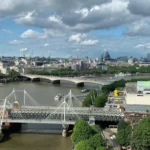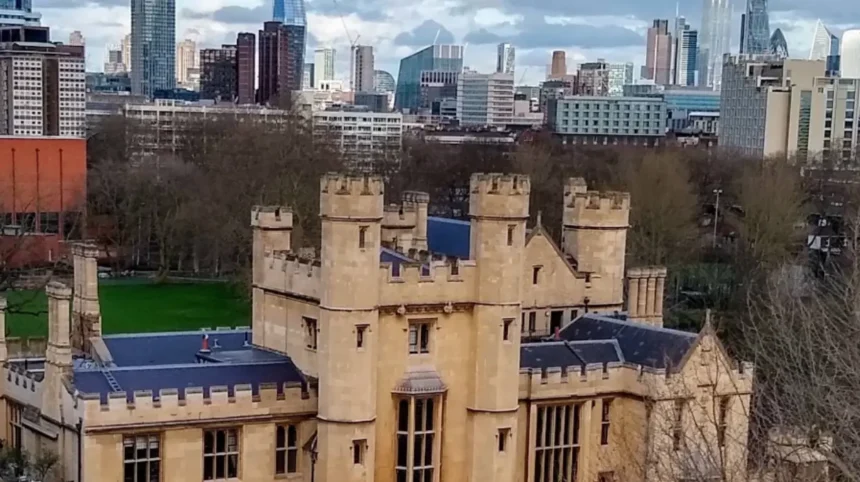
Lambeth’s must-visit cultural attractions span world-class museums, historic theatres, riverside landmarks, and hidden galleries across South London’s most culturally dense borough. From the Imperial War Museum and Florence Nightingale Museum to the Old Vic Theatre and London Eye, visitors access over 800 years of heritage, award-winning performances, and iconic Thames-side views within walking distance of Waterloo and Lambeth North stations.
- What cultural attractions define Lambeth identity?
- Which museums in Lambeth offer free admission?
- What historic theatres and performance venues operate in Lambeth?
- Which landmarks and monuments attract visitors to Lambeth?
- Where can visitors find hidden cultural gems in Lambeth?
- How accessible are Lambeth’s cultural attractions for all visitors?
- What practical information do visitors need for planning a Lambeth cultural trip?
- Which dining and retail experiences complement Lambeth cultural visits?
What cultural attractions define Lambeth identity?
Lambeth’s cultural identity centres on its concentration of nationally significant museums, historic theatres, and Thames-side landmarks that collectively attract millions of visitors annually. The borough hosts the Imperial War Museum, Florence Nightingale Museum, Garden Museum, and Cinema Museum alongside the Old Vic, Young Vic, and London Eye. These institutions sit within a landscape shaped by 800 years of ecclesiastical, medical, and theatrical history.
Lambeth occupies the south bank of the River Thames opposite Westminster, forming part of inner South London since the medieval period. The borough spans 26.82 square kilometres and contains over 40 cultural venues listed in Lambeth Council’s Cultural Infrastructure List. Tourism generates significant economic activity, with the London Eye alone接待 over 3.75 million visitors per year prior to pandemic disruptions.
The area’s cultural density stems from its historical role as a centre for religion, healthcare, and entertainment. Lambeth Palace, the Archbishop of Canterbury’s official London residence since the 13th century, anchors the borough’s ecclesiastical heritage. St Thomas’ Hospital, founded in 1173, established Lambeth as a medical training centre, later becoming home to the Florence Nightingale Museum. Theatres including the Old Vic (opened 1818) and Young Vic (1970) cemented the area’s reputation for performance arts.
As you explore the modern site, you are crossing land with a deep heritage. Read about the full [Lambeth’s historical development from medieval manor to cultural quarter] to understand its origins.
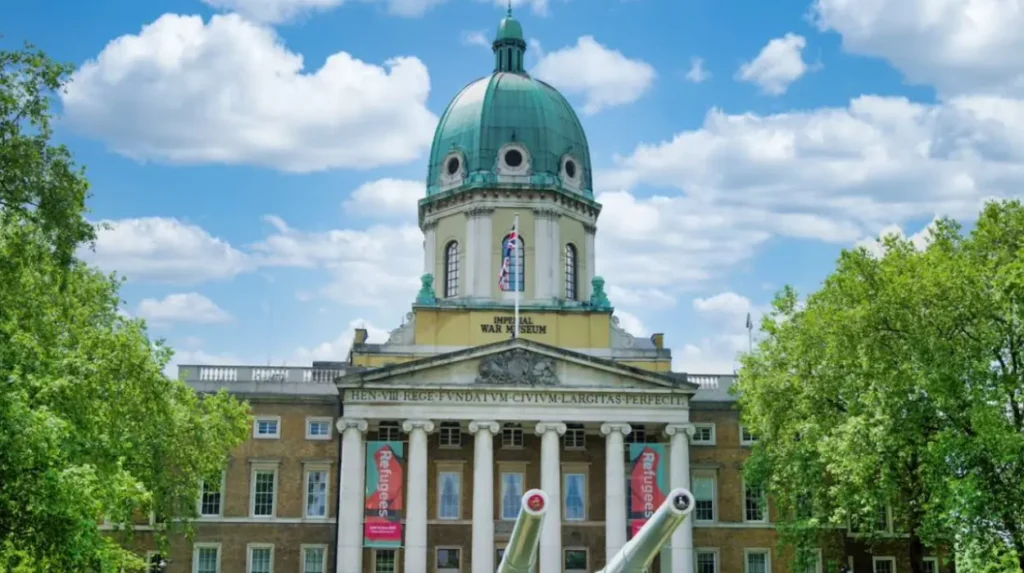
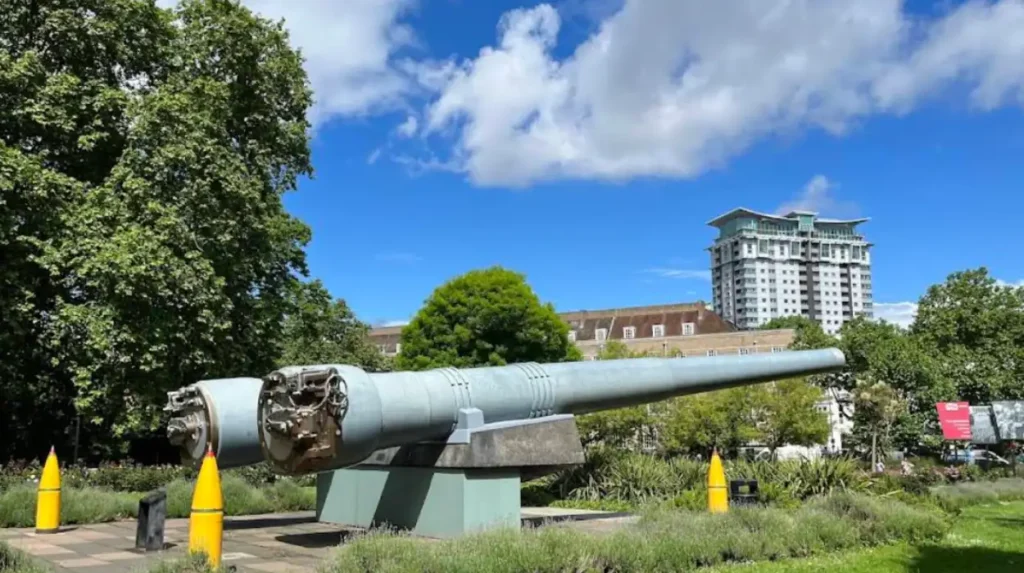
Imperial War Museum stands as the borough’s flagship cultural institution, housed in the former Bethlem Royal Hospital building on Lambeth Road since 1936. The museum holds over 1.5 million items documenting conflicts from World War One to present-day operations. Its permanent galleries cover the Holocaust, Secret War, and Lord Ashcroft Gallery featuring Victoria Cross and George Cross collections.
Florence Nightingale Museum operates within St Thomas’ Hospital on Lambeth Palace Road, occupying the actual ward where Nightingale trained nurses from 1860. The museum displays her personal letters, medical equipment, and the “Nightingale lamp” symbol. Annual visitor numbers exceed 50,000, with special exhibitions on the Crimean War and 1918 Spanish Flu pandemic.
Garden Museum occupies the deconsecrated St Mary-at-Lambeth church adjacent to Lambeth Palace, housing 8,000 objects related to British gardening history. Collections include John Tradescant’s 17th-century plant specimens, Victorian seed catalogues, and contemporary garden design archives. The museum opened in 1977 and underwent £7.5 million redevelopment completed in 2017.
Cinema Museum resides in the former Lambeth Workhouse building where Charlie Chaplin lived as a child. The collection spans 350,000 items including projection equipment, cinema tickets, posters, and lobby cards from demolished UK theatres. Pre-booked tours operate monthly, accommodating groups of 15 maximum.
Which museums in Lambeth offer free admission?
Five major museums in Lambeth provide free admission to permanent collections, including Imperial War Museum, Florence Nightingale Museum, Garden Museum, and smaller specialist venues accessible via advance booking. These institutions receive partial funding through Arts Council England and Lambeth Council cultural grants, ensuring public access without entry fees.
Imperial War Museum charges no admission fee for its main galleries, though special exhibitions may require timed tickets. The museum operates Wednesday through Monday, 10am to 6pm, with last entry at 5:15pm. Facilities include wheelchair access, audio guides in eight languages, and family activity trails.
Florence Nightingale Museum implemented free admission in 2020 following Heritage Lottery Fund support. Opening hours run Tuesday through Saturday, 10am to 5pm, with guided tours available at 11am and 2pm daily. The museum’s location within an active NHS hospital requires visitors to pass through security screening.
Garden Museum offers free entry to its permanent collection, with suggested donations of £5 for adults. The venue opens Thursday through Monday, 10:30am to 5pm, extending to 8pm on Thursdays during summer months. Its café overlooks the excavated Tradescant tomb chamber, visible through glass flooring.
Cinema Museum operates on a pre-booked tour basis with no admission charge, though donations support ongoing preservation work. Tours run on selected Saturdays monthly, accommodating photography enthusiasts and film historians. The venue’s railway arch location near Waterloo requires advance coordinate sharing for access.
Brixton’s Black Cultural Archives represents an emerging free cultural venue, housing community-led exhibitions on Caribbean heritage in South London. The space operates pop-up opening schedules aligned with Black History Month and Windrush anniversary events.
What historic theatres and performance venues operate in Lambeth?
Lambeth hosts three principal historic theatres: the Old Vic (1818), Young Vic (1970), and Brixton House (2019), each offering distinct programming from classical drama to experimental contemporary work. These venues collectively stage over 600 performances annually, employing 200+ theatre professionals and attracting 250,000 audience members.
Old Vic Theatre occupies a Grade II* listed building on The Cut, seating 1,067 across three tiers in traditional proscenium configuration. The theatre’s 2024-25 season featured productions of Macbeth, The Importance of Being Earnest, and new commissions from debbie tucker green. Ticket prices range from £15 to £65, with under-26s and over-60s eligible for discounted rates.
Young Vic Theatre operates as a 420-seat theatre-in-the-round on the same street, designed for immersive audience experiences. The venue’s architectural flexibility allows staging configurations from 360-degree包围 to thrust and end-on setups. Recent productions include A Strange Loop (2023) and The Jungle (2022), with development programmes supporting emerging playwrights.
Brixton House opened in 2019 as South London’s only dedicated new-writing theatre, housing a 220-seat main auditorium and 100-seat studio space. The venue’s inaugural season featured works by Roy Williams, Sabrina Mahbob, and inua ellams, reflecting Brixton’s Caribbean diaspora community. Programming prioritises Black British and Global Majority artists.
Theatre Royal Drury Lane’s sister venue, the New Vic, closed in 2021, but its legacy continues through the Brixton House company. The Ovalhouse in Kennington, another Lambeth venue, rebranded as a community arts space in 2019, hosting participatory theatre and dance workshops.
Leake Street Arches beneath Waterloo Station provide alternative performance space, hosting underground music events, spoken word nights, and experimental theatre since 2010. The graffiti-covered railway tunnels accommodate 300 standing capacity, with shows running Thursday through Saturday evenings.
Which landmarks and monuments attract visitors to Lambeth?
Lambeth’s most visited landmarks include the London Eye (3.75 million annual visitors), Lambeth Palace (Grade I listed, 800-year history), and Westminster Bridge (1862 iron arch structure), forming a UNESCO World Heritage riverside corridor. These structures anchor the Thames Path South Bank walk, which attracts 15 million pedestrians annually.
London Eye operates as a 135-metre cantilevered observation wheel on the South Bank, completing one 30-minute rotation at 0.9 kilometres per hour. Each of the 32 glass capsules holds 25 passengers, offering 360-degree views across 40 kilometres on clear days. Standard adult tickets cost £32, with fast-track and champagne experiences available at premium rates.
Lambeth Palace serves as the Archbishop of Canterbury’s official London residence since the 12th century, with the Great Hall (1261) and Morton’s Tower (1490) open for public tours. The palace’s 10-acre garden opens on first Fridays monthly (April-September), with £5 entry donated to charity. Tudor brickwork and medieval crypts survive from the original complex.
Westminster Bridge, opened in 1862, connects Lambeth to Westminster via a 252-metre seven-arch iron structure painted “Parliamentary Green” to match the House of Commons benches. The bridge carries 48,000 vehicles and 25,000 pedestrians daily, with viewing platforms at both ends.
Albert Embankment, constructed between 1866-1870, provides a tree-lined riverside promenade stretching from Vauxhall to Westminster Bridge. The embankment features memorials including the Burdett-Coutts Memorial Fountain (1876) and Boudicca Statue (1905), attracting joggers and photographers.
St Thomas’ Hospital’s Nightingale Building, completed in 1871, displays Victorian Gothic Revival architecture with red brick and terracotta detailing. The hospital’s chapel contains stained glass windows depicting Florence Nightingale’s life, accessible during heritage open days.
Where can visitors find hidden cultural gems in Lambeth?
Hidden cultural gems in Lambeth include the Tibetan Peace Gardens, Leake Street Graffiti Tunnel, St Mary’s Church Gardens, and Brixton’s Railton Road murals, offering free access to contemplative and street art spaces. These venues operate outside mainstream tourism circuits, providing authentic local experiences.
Tibetan Peace Gardens occupy a 0.2-hectare site behind Imperial War Museum, featuring a giant bronze bell cast in 1997 and consecrated by the Dalai Lama. The garden’s eight sculptures represent Buddhist principles including compassion and wisdom, with seating areas for meditation. Open daily from 8am to dusk, the space hosts annual Tibet Day celebrations on March 10.
Leake Street Graffiti Tunnel runs beneath Waterloo Station, providing 150 metres of legal spray-painting walls since 2008. The tunnel’s ever-changing artwork attracts international street artists, with photography workshops and graffiti tours operating on weekends. Adjacent House of Vans skate park offers free entry to observe BMX and skateboarding demonstrations.
St Mary’s Church Gardens, fronting the Garden Museum, contains the excavated tombs of John Tradescant the Elder and Younger, 17th-century royal gardeners. The small garden’s benches face the Thames, providing quiet riverside seating away from South Bank crowds. Heritage plaques detail the Tradescants’ contribution to British horticulture.
Brixton’s Electric Avenue, Europe’s first street lit by electricity (1888), hosts the Brixton Murals Project depicting local heroes including Nelson Mandela and Marcus Garvey. The murals, painted between 2018-2023, form a self-guided walking trail accessible via QR codes.
Pop Brixton, a community hub constructed from 62 repurposed shipping containers, houses independent businesses including record shops, cafés, and co-working spaces. The venture opened in 2015 on Vintry Gap, offering free entry to explore local entrepreneurship.
How accessible are Lambeth’s cultural attractions for all visitors?
Lambeth’s major cultural attractions achieve step-free access compliance through lifts, ramps, and accessible toilets, with Imperial War Museum, London Eye, and Florence Nightingale Museum meeting full Disability Discrimination Act standards. Transport for London provides disabled access mapping for all Underground stations serving the borough.
Imperial War Museum offers wheelchair-accessible galleries throughout, with lowered display cases and tactile exhibits for visually impaired visitors. Audio description tours book in advance, and carers receive complimentary entry alongside disabled guests. Accessible parking spaces operate on Lambeth Road on first-come basis.
London Eye provides dedicated wheelchair boarding platforms and priority lanes for disabled visitors, with one capsule per rotation adapted for wheelchair users. Companion tickets are free, and assistance dogs are permitted throughout the experience. Booking staff train in disability awareness, with British Sign Language interpreters available on request.
Florence Nightingale Museum installed a passenger lift in 2019, enabling full access to all three floors including the historic ward. Hearing loop systems operate in the cinema room, and large-print guides distribute free at reception.
Garden Museum completed £7.5 million accessibility upgrades in 2017, including platform lifts to the gallery and tactile garden features. Accessible toilets on each floor meet changing-places standards, with adult-sized changing benches.
Transport accessibility improves via Waterloo Station’s step-free access from street to all platforms, completed in 2021. Lambeth North and Oval Underground stations provide lift access, though Brixton Station remains partially inaccessible pending TfL upgrades scheduled for 2027.
Explore More Area Guide
Best Rainy-Day Attractions in Lewisham for Tourists
Where Visitors Discover Lewisham’s Creative Scene in South London
What practical information do visitors need for planning a Lambeth cultural trip?
Visitors should allocate 2-3 days minimum to experience Lambeth’s cultural attractions, with Waterloo and Lambeth North stations providing optimal transport links and advance booking recommended for peak season visits. Combination tickets reduce costs, with off-peak travel after 9:30am avoiding commuter congestion.
Waterloo Station serves as the primary gateway, with National Rail, London Underground (Bakerloo, Jubilee, Northern, Waterloo & City lines), and bus connections converging at one location. Journey times from central London average 10 minutes, with Oyster cards accepted across all modes.
Lambeth North Underground (Bakerloo line) provides direct access to Imperial War Museum and Florence Nightingale Museum, with 7-minute walks to each venue. The station lacks step-free access, requiring alternative routing for wheelchair users.
Accommodation clusters around South Bank and Vauxhall, with The Park Plaza Westminster Bridge, Premier Inn London Waterloo, and citizenM Tower Hill offering cultural tourists proximity within 15-minute walks to major attractions. Average nightly rates range from £120 to £250 for three-star properties.
Combination tickets reduce admission costs: London Eye + London Dungeon packages cost £54 versus £62 separate pricing. Imperial War Museum and Florence Nightingale Museum both accept National Art Pass, providing free entry to 240+ UK cultural venues for £78 annual membership.
Security screening operates at all major venues, prohibiting large bags exceeding 40cm x 30cm x 20cm. St Thomas’ Hospital enforces additional NHS security protocols, requiring visitors to pass through metal detectors and X-ray scanners.
Peak season (June-August) sees London Eye waiting times exceed 90 minutes without advance booking. Timed-entry tickets for Imperial War Museum and Florence Nightingale Museum eliminate queuing, with online booking windows opening 28 days ahead.
Which dining and retail experiences complement Lambeth cultural visits?
Lambeth’s cultural districts host over 100 independent cafés, restaurants, and bookshops, with Garden Museum Café, South Bank food markets, and Brixton Village providing authentic local dining within walking distance of major attractions. Veggie and vegan options exceed 60% of menus, reflecting South London’s diverse population.
Garden Museum Café operates within the museum’s courtyard, serving seasonal British menus with ingredients sourced from the museum’s heritage garden. Lunch mains range from £12 to £18, with afternoon tea bookings essential on weekends. The café’s glass walls overlook the excavated Tradescant tomb, providing unique dining ambience.
South Bank Centre Food Market runs Friday through Sunday, 11am to 9pm, below the National Theatre, offering 25+ street food stalls representing global cuisines. Average spend per person reaches £15-£25, with vegan, halal, and gluten-free options clearly labelled. Evening markets feature live music and riverside seating.
Brixton Village Market, housed in Victorian railway arches on Electric Avenue, operates Thursday through Saturday, 10am to 6pm, with 40+ independent traders selling vintage clothing, vinyl records, and artisan foods. The market’s Caribbean food stalls serve jerk chicken, patties, and saltfish fritters from £6.
Waterloo’s Lower Marsh hosts weekly farmers’ market on Thursdays, 10am to 2pm, directly outside the Garden Museum. Local producers sell organic vegetables, artisan cheeses, and baked goods, with live acoustic music enhancing the atmosphere.
Theatreland restaurants including The Orange (The Cut), The Anchor & Hope (Waterloo), and The Bistrotheque (Bethnal Green Road) offer pre-theatre menus from £25 for two courses, with booking windows opening three months ahead for popular shows. Reservations essential for Friday and Saturday evenings.
Independent bookshops including Letterbox Library (Brixton), specialising in anti-racist and LGBTQ+ children’s books, and The Bookshop (Waterloo), offering local history titles, provide cultural retail experiences distinct from chain stores. Staff recommendations include Lambeth-focused memoirs and South London photography collections.