Digital nomads can work comfortably in Lambeth at cafés with reliable Wi‑Fi and power sockets, dedicated co‑working spaces, Lambeth Libraries with free internet, and select hotel lobbies or aparthotel lounges that welcome remote workers. These options span neighbourhoods such as Waterloo, Brixton, Kennington, Vauxhall, Streatham, and West Norwood, giving visitors and residents flexible, well‑connected places to focus for a few hours or a full working day.
- What makes Lambeth suitable for remote work?
- Which cafés in Lambeth are genuinely laptop‑friendly?
- Where can digital nomads find dedicated co‑working spaces in Lambeth?
- How can Lambeth Libraries support remote workers and digital nomads?
- Which neighbourhoods in Lambeth are best for combining work and leisure?
- What facilities and connectivity standards should remote workers expect?
- How do costs compare between cafés, libraries, and co‑working memberships?
- What practical tips help digital nomads work efficiently in Lambeth?
What makes Lambeth suitable for remote work?
Lambeth is suitable for remote work because it combines strong transport links, dense café culture, multiple co‑working providers, and council‑supported affordable workspace programmes across the borough. The area’s mix of tourist hubs, residential neighbourhoods, and creative clusters means digital nomads can choose between busy central spots and quieter local venues depending on the day’s tasks.
Lambeth sits in inner South London and includes major transport interchanges such as Waterloo Station, Vauxhall Station, and Brixton Station, all on London Underground and National Rail networks. This connectivity allows nomads to move easily between work sites, client meetings, and leisure activities without long commutes.
The borough hosts a wide range of independent cafés, chains, and specialty coffee shops that increasingly cater to laptop users with Wi‑Fi, plug sockets, and longer dwell times. Alongside these, professional co‑working operators such as Regus, The Office Group, and local hubs provide bookable desks, meeting rooms, and business‑grade internet.
Lambeth Council actively supports workspace growth through its Lambeth Works programme, which backs start‑ups, micro‑businesses, and creative enterprises with affordable units and managed hubs. This policy environment helps sustain a steady supply of flexible workspaces that digital nomads can access on short terms.
As you explore the modern site, you are crossing land with a deep heritage. Read about the full [Lambeth local history and development timeline] to understand its origins. This context explains why the borough’s mix of civic buildings, libraries, markets, and regenerated sites now doubles as a practical remote‑work landscape.
Which cafés in Lambeth are genuinely laptop‑friendly?
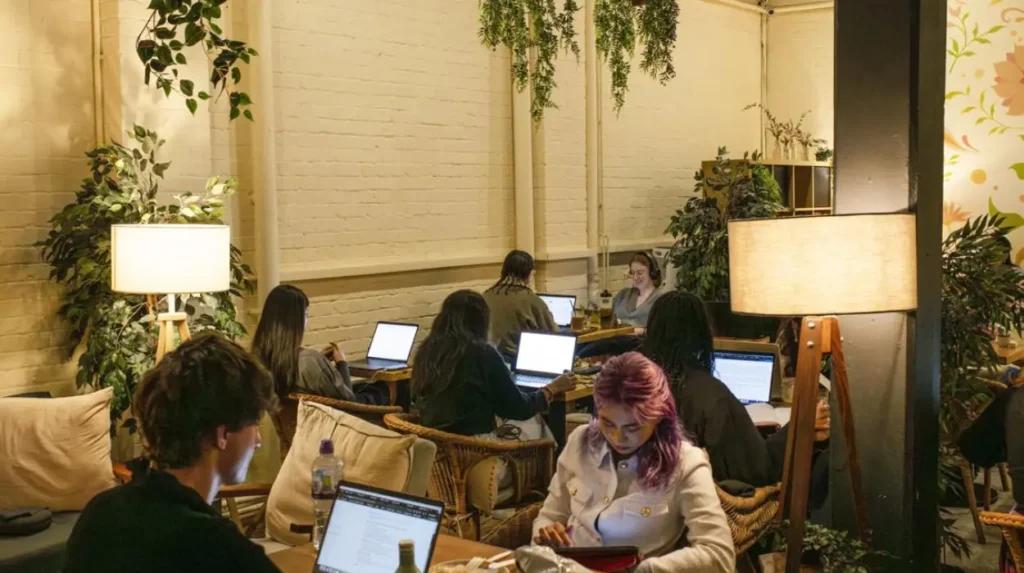
Laptop‑friendly cafés in Lambeth are those that explicitly offer free Wi‑Fi, accessible plug sockets, and seating policies that allow longer stays for workers and students. Such venues typically advertise work‑friendly amenities and attract a steady flow of remote workers, students, and freelancers who need reliable connectivity and a quiet corner.
Many cafés across Lambeth now position themselves as “work‑and‑study‑friendly,” meaning they provide Wi‑Fi, power outlets, and tables suited for laptops or group projects. These spaces often have quieter zones or off‑peak windows where concentration is easier and staff are accustomed to customers working for extended periods.
Rise & Dine in Lambeth explicitly promotes reliable free Wi‑Fi described as fast and unlimited, positioning the café as suitable for work or browsing. The venue’s emphasis on British café culture and long opening hours makes it a practical stop for digital nomads needing a dependable coffee‑and‑connectivity base.
In Elephant and Castle, Hej café offers fast, free Wi‑Fi and plug sockets in parts of the space, with a roastery on site and a spacious layout that accommodates laptop users. The café’s Swedish concept and focus on specialty coffee create a work‑friendly atmosphere that appeals to remote workers seeking quality caffeine and stable internet.
Brixton hosts several work‑oriented cafés and hybrid spaces such as CAYA Brixton, which blends café service with co‑working on a pay‑as‑you‑go model, and Brixton Blend, a locals’ favourite noted for welcoming laptop users. These venues sit close to Brixton Market and transport links, making them convenient for nomads basing themselves in South London.
In West Dulwich, Redemption Roasters provides decent internet connectivity, plug points, and a relatively quiet environment, especially outside peak weekend hours. The brand’s social mission and calm seating areas, including an outdoor section, suit digital nomads who prefer a low‑noise café with ethical coffee.
Where can digital nomads find dedicated co‑working spaces in Lambeth?
Digital nomads can find dedicated co‑working spaces in Lambeth through operators such as Regus, The Office Group, and local hubs that offer hot desks, dedicated desks, and private offices across Waterloo, Vauxhall, Brixton, and Kennington. These spaces provide business‑grade Wi‑Fi, meeting rooms, printing, and reception services on flexible daily or monthly terms.
Regus lists multiple Lambeth locations including Waterloo Road, Albert Embankment, Kennington Road, South Bank, Vauxhall, Brixton Road, Clapham Road, Oval, and Streatham High Road. Day coworking rates start from £29 per person per day, with dedicated desk options from £6 per person per day on longer contracts, giving nomads a range of price points and access models.
Impact Brixton functions as a co‑working space with quiet areas, air conditioning, comfortable seating, low background music, enough plug sockets, and Skype‑friendly rooms suitable for calls. Such facilities cater specifically to remote professionals who need reliable infrastructure for video meetings and focused work blocks.
Tripod in Brixton, located in Lambeth Town Hall, provides workspace, events, and networking for creative, tech, and social businesses, creating a community‑oriented hub for nomads who value collaboration. The setting within a civic building adds a distinctive character while offering practical amenities for daily work.
In Tulse Hill and West Norwood, the Queen of the South Pub runs a structured co‑working offer from Tuesday to Friday, 10am to 6pm, with high‑speed broadband, power sockets, quiet working areas, meeting rooms, and full AV facilities. This pub‑based model shows how Lambeth’s hospitality venues are adapting to serve the remote‑work market.
GLOWS in Tulse Hill offers makerspace and hot‑desk options for Lambeth entrepreneurs with packages including 60 hours per month, 30 hours per month, or pay‑as‑you‑go daily rates. Such flexible terms suit digital nomads who want to test a space before committing to longer memberships.
Granby Space in Waterloo, a creative hub in the old Waterloo library building, provides co‑working desks, small office units, and retail space under a meanwhile‑use arrangement supported by Lambeth Council. Although originally a temporary project, it illustrates the borough’s strategy of converting vacant civic assets into productive workspaces.
How can Lambeth Libraries support remote workers and digital nomads?
Lambeth Libraries support remote workers and digital nomads by providing free Wi‑Fi across all branches, public computers bookable for up to two hours a day, and on‑site help with printing, scanning, and basic digital skills. These services offer a cost‑effective, quiet alternative to cafés for tasks that require stable connections or access to office software.
Every Lambeth Library offers free Wi‑Fi that visitors can use on their own devices without charge, removing the need to rely on café networks that may be slow or time‑limited. This blanket coverage means nomads can work from multiple neighbourhoods, including Streatham, Kennington, Waterloo, and Brixton, using the same library network.
Library members can book PCs for up to two hours per day, with access to web browsers such as Google Chrome, Firefox, and Microsoft Edge, plus Microsoft Word, Excel, and Adobe Reader for document work. This setup supports tasks like drafting, spreadsheets, and PDF editing without requiring personal software licences.
Printing, photocopying, and scanning are available via library machines, with payment at self‑service kiosks or via library card accounts. Scanning to a USB memory stick is free, which helps nomads digitise documents or back up work while on the move.
Streatham Library, for example, operates with extended evening hours on Monday to Wednesday (until 20:00) and weekend opening, giving remote workers flexible windows to use Wi‑Fi and computers outside standard 9‑to‑5 times. Staff can assist with online access and basic digital support, which benefits travellers unfamiliar with local systems.
Lambeth Libraries also run or have run basic IT help classes, Silver Surfers sessions, and one‑to‑one “Book‑a‑Librarian” support, which can help visitors set up accounts, learn essential skills, or troubleshoot connectivity issues. While some classes have been paused at times, the underlying infrastructure and staff expertise remain a resource for digital nomads.
Which neighbourhoods in Lambeth are best for combining work and leisure?
The best Lambeth neighbourhoods for combining work and leisure are Waterloo, Brixton, Kennington, Vauxhall, and Streatham, each offering distinct mixes of cafés, co‑working spaces, green areas, and cultural attractions. These areas allow digital nomads to structure their day around focused work blocks and easy access to food, parks, and sights.
Waterloo provides a highly central base with major rail and Underground connections, proximity to the South Bank, and numerous cafés and hotel lounges suited to laptop use. The area’s density of cultural venues, including theatres and museums, makes it easy to switch from work to leisure within a short walk.
Brixton delivers a vibrant, multicultural environment with strong café and market culture, creative hubs like Impact Brixton and Tripod, and lively evening options. Its transport links via Brixton Station and overground services enable quick trips into central London while maintaining a distinct local identity.
Kennington and Vauxhall sit between central London and deeper South London, offering a balance of residential calm and business amenities. These neighbourhoods host co‑working locations, riverside walks along the Thames, and easy access to parks such as Kennington Park and Vauxhall Pleasure Gardens.
Streatham and West Norwood provide more local, residential atmospheres with independent cafés, libraries, and community workspaces like GLOWS and the Queen of the South co‑working setup. These areas suit nomads who prefer quieter streets, lower noise levels, and a slower pace while remaining within reach of central zones.
What facilities and connectivity standards should remote workers expect?
Remote workers in Lambeth should expect free or bookable Wi‑Fi in cafés and libraries, business‑grade broadband in co‑working spaces, and widespread access to power sockets and basic office equipment. Connectivity quality varies by venue type, with dedicated workspaces offering the most reliable speeds for calls and large file transfers.
Café Wi‑Fi in Lambeth ranges from fast, unlimited connections in purpose‑built work‑friendly venues to slower or restricted networks in busy tourist‑focused spots. Nomads who depend on video calls or heavy uploads should treat café Wi‑Fi as suitable for light tasks and plan critical meetings in co‑working spaces or libraries.
Co‑working operators such as Regus and local hubs advertise high‑speed, secure Wi‑Fi as standard, along with ergonomic furniture, meeting rooms, and printing facilities. These environments are designed for professional use, making them the safest choice for time‑sensitive work and client‑facing activities.
Lambeth Libraries provide free Wi‑Fi across all branches and public PCs with standard office software, giving a reliable fallback when café networks are congested or when a quiet, structured setting is needed. The two‑hour PC booking limit encourages rotation but still allows meaningful work sessions.
Power availability is a key differentiator: work‑friendly cafés and co‑working spaces typically feature abundant plug sockets at tables or in designated zones, whereas some traditional cafés may have limited outlets. Digital nomads should check venue descriptions or community tags for “power sockets” and “work‑friendly” indicators before committing to a location.
How do costs compare between cafés, libraries, and co‑working memberships?
Costs for remote work in Lambeth range from free Wi‑Fi in libraries and many cafés to paid day passes and monthly memberships in co‑working spaces, with prices reflecting the level of facilities and guaranteed desk space. Understanding these tiers helps digital nomads budget effectively and choose the right mix of venues for different types of work.
Library Wi‑Fi and computer access are free for Lambeth Library members, with only printing, photocopying, and scanning incurring per‑page charges. This makes libraries the most cost‑effective option for tasks that do not require premium environments or all‑day desk reservations.
Cafés generally offer free Wi‑Fi with the expectation of purchasing food and drink, though some venues may impose time limits or one‑drink policies during busy periods. For nomads who work for several hours, cumulative spend on coffee and meals can approach or exceed the cost of a day pass in a co‑working space.
Day coworking in Lambeth typically costs around £25–£40 per day depending on the operator and location, with Regus advertising day rates from £29 per person. Monthly hot‑desk or access plans can reduce the per‑day cost for frequent users, particularly when they include unlimited or multi‑day access across several centres.
Dedicated desk options in Lambeth start from around £6 per person per day on longer contracts, but these are more relevant for semi‑resident nomads or local freelancers than short‑term visitors. For tourists and leisure travellers, flexible day passes and café‑based working remain the most practical and scalable solutions.
What practical tips help digital nomads work efficiently in Lambeth?
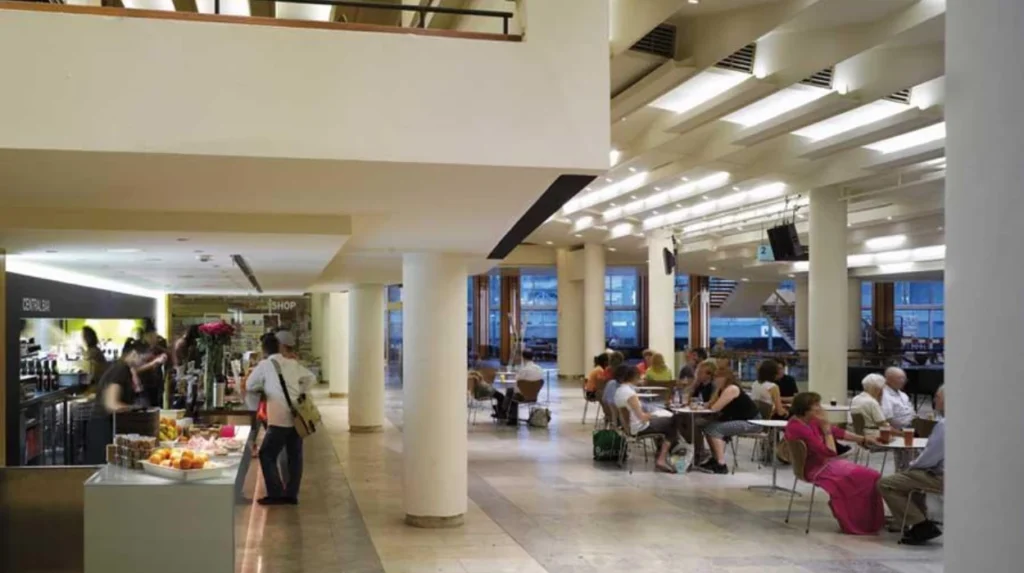
Digital nomads work most efficiently in Lambeth by planning their day around venue types, booking desks or library PCs in advance, and matching tasks to the reliability of each location’s connectivity and noise levels. A simple routine of morning focus in a co‑working space or library, followed by afternoon café work and evening leisure, maximises productivity and enjoyment.
Start high‑priority tasks that require video calls or heavy uploads in co‑working spaces or libraries where Wi‑Fi is most stable and distractions are limited. Use café time for lighter work such as writing, research, or admin when occasional interruptions or slower connections are less critical.
Check opening hours and booking requirements before visiting: some libraries and co‑working spaces require advance PC reservations or desk bookings, especially during peak times. Tools and community platforms that tag cafés with “Wi‑Fi,” “quiet,” and “power outlets” help filter options that suit specific work styles.
Leverage Lambeth’s transport network to move between neighbourhoods based on the day’s needs: a morning in Waterloo, lunch in Brixton, and an afternoon in Streatham can keep the routine fresh while maintaining reliable access to work‑friendly venues.
Carry a power bank and a USB memory stick to cover venues with limited plug points or when using library scanning and printing services. Having offline backups and local copies of key files ensures continuity if connectivity drops or a venue reaches capacity.
By combining Lambeth’s cafés, co‑working hubs, and libraries with clear planning around connectivity and cost, digital nomads can create a comfortable, productive routine that blends focused work with the borough’s rich leisure and cultural offer.