Key Points
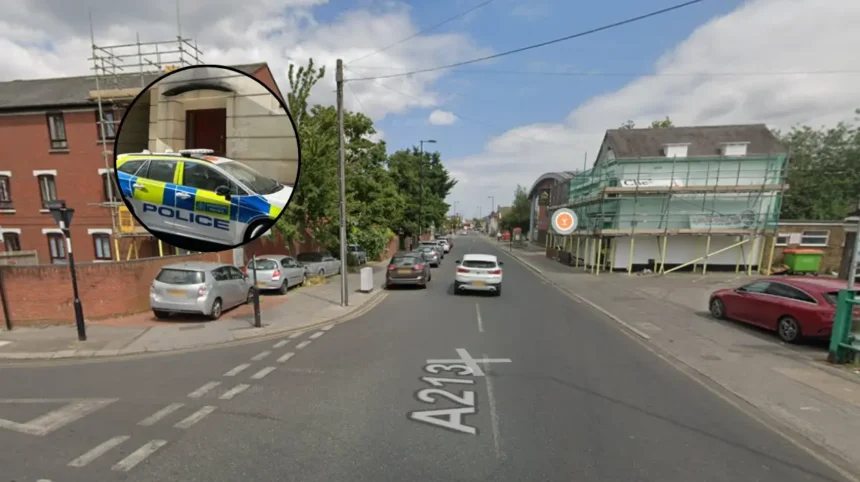
- A 52-year-old man died in police custody at the Windmill Road Custody Suite in Croydon during the early hours of Friday morning.
- The individual had been detained on Wednesday, 19 August, following the execution of a no-bail warrant issued by Croydon Magistrates’ Court for failing to appear on drunk and disorderly charges.
- Officers discovered the detainee unresponsive during routine cell checks at approximately 00:30 hrs on Friday, 21 August.
- Police personnel administered first aid until the London Ambulance Service arrived, but the man was pronounced dead at 01:17 hrs.
- The Metropolitan Police Service confirmed the deceased had been assessed by a healthcare professional and subjected to regular welfare checks whilst detained.
- The Independent Office for Police Conduct (IOPC) has launched an independent investigation following a mandatory referral by the Met’s Directorate of Professional Standards.
- Senior officers, including Deputy Assistant Commissioner James Harman, have offered condolences and pledged full cooperation with the oversight body.
CROYDON (South London News) August 22, 2026 – An independent investigation is currently under way after a 52-year-old man died whilst detained inside the Windmill Road Custody Suite in Croydon during the early hours of Friday morning.As reported by Megan Howe of the Evening Standard, officers conducting standard welfare checks at approximately 00:30 hrs on Friday, 21 August, found the detainee unresponsive in his cell after he became unwell. Police personnel immediately entered the cell to administer emergency first aid and requested urgent support from the London Ambulance Service (LAS). Paramedics subsequently attended the scene to take over emergency medical resuscitation; however, despite efforts to save his life, the man was officially pronounced dead at 01:17 hrs.
- Key Points
- What led to the detention and death of the man at the Windmill Road facility?
- Why is the Windmill Road Custody Suite subject to heightened public attention?
- What is the background to custody oversight and procedures following a death in police care?
- What are the predictions for how this development may affect key stakeholders?
The deceased had been in police custody since 13:05 hrs on Wednesday, 19 August, following his arrest in Croydon. His detention was executed under the authority of a no-bail bench warrant issued by Croydon Magistrates’ Court after he failed to appear in answer to charges of being drunk and disorderly. The Metropolitan Police Service confirmed that the individual’s identity has not yet been formally released to the public while notifications to next of kin and formal identification procedures continue.
What led to the detention and death of the man at the Windmill Road facility?
According to statements issued by Scotland Yard, the 52-year-old detainee was held at the facility for more than 35 hours prior to the medical emergency. During his period of detention, Scotland Yard stated that the man was examined by an on-duty healthcare professional and remained subject to routine welfare and observation checks carried out by custody staff.
As outlined in official Metropolitan Police protocols, the force’s Directorate of Professional Standards (DPS) was notified immediately following the fatal incident. A mandatory referral was subsequently lodged with the Independent Office for Police Conduct (IOPC), which has now formally assumed responsibility for examining the circumstances surrounding the death.
As reported by Megan Howe of the Evening Standard, Deputy Assistant Commissioner James Harman expressed condolences on behalf of the force, stating: “Our thoughts are with the man’s family and loved ones following his tragic death. The full circumstances of this death in custody will now be independently examined and we are providing our fullest support to that IOPC investigation.”
Why is the Windmill Road Custody Suite subject to heightened public attention?
The Windmill Road Custody Suite in Croydon represents a key operational facility for the Metropolitan Police Service in South London, but it carries historical significance due to previous fatal incidents on site.
Most notably, the station was the location where Police Sergeant Matt Ratana was fatally shot while on duty in September 2020 after a detained suspect managed to conceal a firearm into the custody area.
While the circumstances of Friday’s death differ entirely—revolving around a medical emergency rather than a violent incident—the facility remains under close scrutiny regarding custody procedures, detainee welfare, safety compliance, and medical risk assessments.
Explore More Croydon News
GCSE Results 2026: Croydon Students Celebrate Outstanding Exam Qualifications
Man Dies in Met Police Custody Suite Probe Croydon 2026
What is the background to custody oversight and procedures following a death in police care?
When any individual dies while detained under police custody in England and Wales, rigorous legal and institutional protocols are automatically triggered under statutory obligations.
The Police Reform Act 2002 mandates that any death or serious injury occurring during or following police contact must be referred to the Independent Office for Police Conduct (IOPC). The IOPC operates completely independently of the police and the government, holding statutory powers to investigate police misconduct, operational failures, or systemic vulnerabilities.
Police custody suites are governed by College of Policing Authorised Professional Practice (APP) guidelines. These rules mandate that every detainee undergoes an initial risk assessment upon arrival. Individuals arrested on suspicion of offences related to alcohol dependency, substance use, or vulnerable health status are required to receive specialized medical evaluations conducted by Healthcare Professionals (HCPs) or Forensic Medical Examiners (FMEs), along with tailored observation schedules ranging from routine checks to continuous monitoring.
What are the predictions for how this development may affect key stakeholders?
The opening of an independent IOPC investigation into a death in custody carries significant operational, political, and social implications across several specific groups.
For the family of the deceased and the local Croydon community, the coming months will involve awaiting formal coronial proceedings and IOPC findings. Inquest proceedings presided over by a HM Coroner will be required to establish the exact cause of death, assessing whether medical intervention was timely, whether withdrawal or health complications occurred, and whether detention care standards were fully met.
For Metropolitan Police custody staff and senior leadership, this development will bring immediate procedural scrutiny.
Investigators will review CCTV footage, custody logs, healthcare records, and officer shift reports to verify whether observation intervals adhered strictly to statutory requirements. If systemic deficiencies in medical triage or cell check protocols are identified, it could lead to revised operational guidance across all London custody suites.
For oversight bodies and civil liberties groups monitoring deaths in custody, the outcome of this investigation will feed into wider policy debates regarding how individuals detained on low-level charges—such as failure to appear for drunk and disorderly offences—are managed within the criminal justice system, particularly concerning addiction, physical health management, and healthcare provisions in custody suites.