Key Points
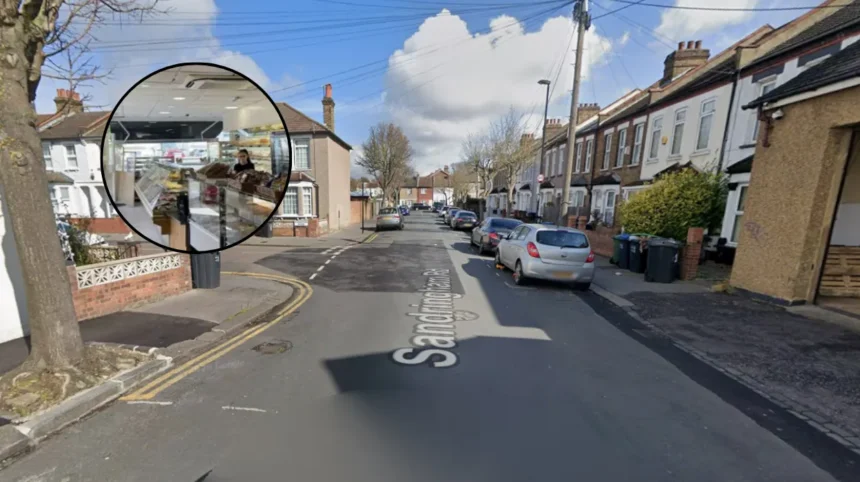
- The flagship retail store which marked the birth of Coughlans at 502 London Road back in 1937 and the prime commercial bakery which Coughlans operated at 21-29 Sandringham Road, Thornton Heath, have been placed on sale.
- The real estate has been offered for sale as part of a portfolio of properties estimated at around £5 million.
- Liquidators Paul Bailey and Kirren Keegan from Bailey Ahmed Ltd have formally “disclaimed” the leasehold interest of the company in these important properties.
- While West Country bakery firm Janes Pantry acquired the working and tangible assets of Coughlans, they did not buy out all 31 retail outlets and the manufacturing base.
- Disclaimers have been issued by liquidators regarding at least six outlets, while 25 branches are set to be opened up as new Janes outlets.
- The original 175 employees of the company were made redundant through text messaging on July 1st after the voluntary liquidation of the company.
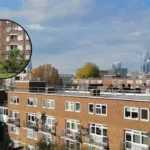
Thornton Heath (South London News) September 14, 2026 – The original flagship bakery shop where the Coughlan family first established its retail business almost 90 years ago, together with the company’s extensive commercial headquarters, have been placed on the market as part of a commercial property portfolio sale valued at nearly £5 million.
As reported by Steven Downes of Inside Croydon, the corner site at 502 London Road—located near Mayday Hospital where the family-run enterprise first traded in 1937—and the commercial bakery, administrative offices, and main warehouse facility at 21-29 Sandringham Road in Thornton Heath have both been officially “disclaimed” by court-appointed liquidators.
The liquidation follows the sudden corporate downfall of Coughlans Bakeries Ltd earlier this summer when directors placed the loss-making chain into voluntary liquidation on June 30. Gloucestershire-based retail bakery chain Janes Pantry subsequently stepped in to acquire the majority of the operational business and certain commercial assets from liquidators Paul Bailey and Kirren Keegan. However, the buyout deal did not encompass the entirety of Coughlans’ 31-store retail footprint, nor did it cover the company’s primary real estate holdings.
Why were key Coughlans properties disclaimed by court liquidators?
As reported by Steven Downes of Inside Croydon, liquidators from insolvency firm Bailey Ahmed Ltd filed formal documents at Companies House confirming that the insolvency process had officially disclaimed the company’s leasehold rights and real estate obligations for multiple sites.
By disclaiming the properties, the liquidated corporate entity effectively frees itself from ongoing rent commitments, liabilities, and future tenant obligations. Consequently, property owners and erstwhile landlords are left to submit individual financial claims for damages through the liquidation proceedings.
Alongside the historic London Road shop and the primary Sandringham Road industrial estate in Thornton Heath, liquidators have formally disclaimed leasehold interests in at least six high street retail branches. These abandoned store locations include:
- 913 Brighton Road, Purley
- 220 High Street, Croydon
- 5 The Parade, Stafford Road, Wallington
- 99 Station Road, West Wickham
- 17 Croydon Road, Caterham
- 15 High Street, Westerham
As reported by Steven Downes of Inside Croydon, joint liquidator Paul Bailey stated during the sale process that “the reopening of 25 former stores represents a positive outcome for local high streets, with the potential to create a substantial number of employment opportunities as the sites return to trading under new ownership”. Despite this statement, liquidators have not yet released a public timeline for when the remaining 25 branches will resume trade under Janes branding.
What led to the sudden collapse and redundancy of Coughlans workforce?
As reported by Steven Downes of Inside Croydon, director Sean Coughlan publicly announced the closure of the business across social media channels, citing severe external financial pressures. Coughlan pointed to an accumulation of rising costs, including increases to employers’ National Insurance contributions, higher business rates, elevated energy bills driven by global fuel spikes, and summer heatwaves that dampened high street footfall.
However, public corporate records filed at Companies House present a broader financial backdrop to the voluntary winding-up. While annual accounts for the financial period ending September 2025 indicated that total turnover had risen to £6.8 million and operating losses had narrowed from £229,600 to £98,800, independent auditors noted no material uncertainties regarding the company’s going-concern status at that time.
The decision to enter voluntary liquidation directly impacted 175 full- and part-time staff members. As reported by Steven Downes of Inside Croydon, workers were not given prior notice of the pending closure and were informed that they were being made redundant with immediate effect via text messages sent on July 1. Under the terms of the acquisition, new owner Janes Pantry has invited former Coughlans staff to re-apply for employment positions as retail locations are brought back into operational service.
Background of the particular development
The surrender and property portfolio sale of Coughlans’ physical assets marks the final structural unravelling of an enterprise that operated as a staple of south-side London high streets for nearly nine decades. Founded in 1937 as a single neighborhood bakery shop on London Road in Thornton Heath, Coughlans grew across three generations of family management into a regional chain comprising 31 branches spanning South London, Surrey, Kent, and Sussex.
In the years following the COVID-19 pandemic, the chain undertook rapid expansion, opening 12 new stores and venturing into specialized vegan and plant-based pastry markets. This expansion was paired with external investment, including public financial backing from celebrity figure Romesh Ranganathan, who acquired a minor equity share in the business.
Behind the retail expansion, corporate filings highlight significant restructurings in the management of the firm’s real estate assets. Since 2023, approximately £9 million in property assets, capital, and cash reserves were transferred out of Coughlans Bakeries Ltd into Smitham Lodge Estates Ltd, a separate corporate vehicle directed by members of the Coughlan family. Because the physical real estate was held under separate corporate ownership, the property portfolio—including the Sandringham Road bakery factory and original London Road site—remained distinct from the operating retail company, enabling its current listing on the commercial market for £5 million following the liquidation of the retail arm.
Prediction: How this development will affect local communities, workers, and high streets
The corporate breakup and asset sell-off of Coughlans will have widespread ramifications across several distinct groups in South London and the Home Counties:
For Former Employees and Local Workforce
The termination of 175 jobs via text message has created acute financial uncertainty for the workforce. While Janes Pantry’s commitment to reopen up to 25 stores offers a potential path back to employment, former workers face temporary income loss and must navigate a formal recruitment process to secure their former roles under new workplace policies and pay structures.
For High Street Commercial Tenants and Local Economies
The decision by liquidators to disclaim leases in locations such as Purley, Croydon High Street, Wallington, West Wickham, Caterham, and Westerham leaves prominent storefronts vacant. In the short term, this increases vacancy rates in suburban shopping districts already contending with reduced footfall. The long-term commercial recovery of these high streets will depend on how quickly landlords can re-let the disclaimed premises to new commercial operators.
For the Local Industrial Property Market
The sale of the £2.8 million Sandringham Road commercial bakery and administrative warehouse site in Thornton Heath removes a long-standing manufacturing hub from local family control. Depending on the buyer, the industrial site may either be retained for commercial food production under new management or redeveloped for alternative industrial or residential uses, fundamentally altering Thornton Heath’s light-industrial landscape.