Key Points
- New Housing Scheme Approved: Southwark Council’s Executive has formally adopted the Southwark Housing Allocations Scheme 2026, marking the first major overhaul of its social housing distribution rules since 2013.
- Age Threshold for Room Sharing Raised: Same-sex siblings will now be required to share a bedroom until the age of 20, up from the previous limit of 15, unless specific medical or welfare exemptions apply.
- Fifth Priority Band Introduced: The council has restructured its allocation framework from four numerical bands to five alphabetical bands (Bands A–E). The new Band E represents the lowest priority level, making rehousing for applicants in this bracket “unlikely”.
- Removal of Non-Housing Priority Elements: Employment, volunteering, and the ‘Good Tenant Award’ will no longer earn applicants additional priority stars or preferential ranking within bands.
- Working in Borough Excluded as Automatic Qualifier: Merely working within the borough will no longer automatically qualify individuals to join the housing register.
- Elevated Priority for Key Groups: Care leavers, domestic violence survivors, eligible armed forces personnel, and applicants on the Southwark Housing First programme will receive top-tier priority in Band A.
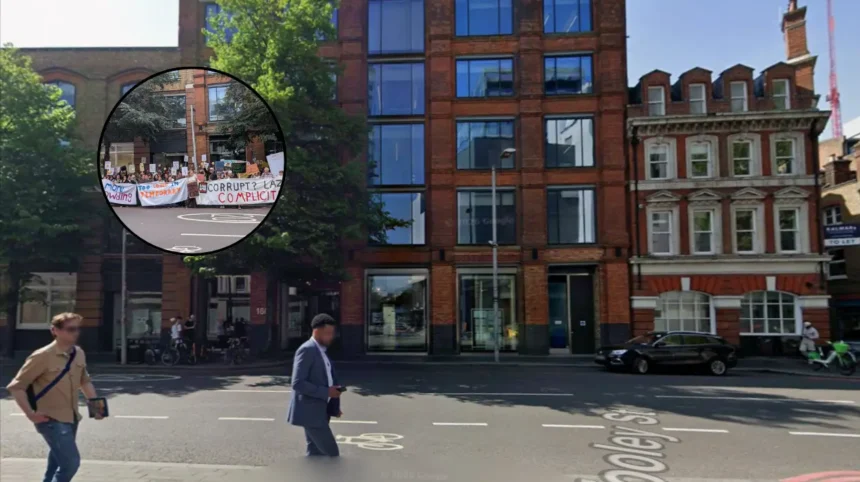
- Protests and Community Concerns: Campaign groups, including Housing Action Southwark and Lambeth (HASL), staged protests outside the town hall, criticising the consultation process and arguing that stricter criteria do not address the fundamental lack of affordable social homes.
Southwark (South London News) September 18, 2026 — Southwark Council’s Executive has formally approved a comprehensive overhaul of its social housing allocation policy for the first time in more than a decade, fundamentally altering how council properties are distributed across the London borough.
- Key Points
- What Are the Main Structural Changes to Housing Bands and Eligibility Criteria?
- Why Has the Age Limit for Same-Sex Siblings Sharing Bedrooms Been Raised?
- How Has Priority Been Reallocated Across Applicant Groups?
- What Criticisms and Opposition Have Been Raised by Community Groups?
- Background to the Development
- Prediction: How This Development Will Affect Applicants and Local Residents
The decision, taken during an Executive cabinet meeting on Tuesday, September 15, 2026, replaces the previous framework that had been in place since 2013. Under the newly ratified Southwark Housing Allocations Scheme 2026, every individual applicant among the more than 22,000 households currently on the register will be reassessed and migrated into a revamped priority system. The local authority stated that the reform is necessary to rebuild public confidence in how scarce housing stock is distributed and to ensure full compliance with central government guidelines.
What Are the Main Structural Changes to Housing Bands and Eligibility Criteria?
As reported by Ruby Gregory, Senior Local Democracy Reporter for MyLondon, the updated policy completely restructures the council’s priority framework by transitioning from the former four-band model (Bands 1 to 4) to a five-tier system operating from Band A to Band E.
Under this new framework, Band A represents the highest urgency tier, whilst the newly created Band E sits at the bottom. Band E is designed for existing secure Southwark Council tenants seeking transfers who have no assessed urgent housing need, as well as other qualifying residents. While residents placed in Band E will technically retain the ability to bid for properties advertised via Choice Based Lettings, the council explicitly noted in official policy documentation that households in this band are “unlikely” to be rehoused due to severe supply shortages.
Furthermore, working within the borough will no longer act as an automatic qualification criterion for joining the housing register. The council clarified, however, that safeguards remain for applicants living in private rented housing outside the borough under homelessness duties, ensuring they are not penalized or removed from the register solely for accepting out-of-borough private accommodation.
Why Has the Age Limit for Same-Sex Siblings Sharing Bedrooms Been Raised?
One of the most significant changes introduced in the policy relates to bedroom standards and overcrowding definitions. As reported by MyLondon, same-sex siblings will now be expected to share a single bedroom up to the age of 20. Under the 2013 scheme, children of the same sex were entitled to separate bedrooms once they reached 16 years of age.
Southwark Council stated that raising the sharing age threshold to 20 brings the borough into line with national legal bedroom standards and central government guidance for local authorities across England. Exemptions will only be granted where comprehensive evidence demonstrates that a separate bedroom is required on documented medical or welfare grounds.
How Has Priority Been Reallocated Across Applicant Groups?
As reported by local media coverage in Dulwich Today, non-housing related priority mechanisms have been completely dismantled. The council has formally abolished its ‘Priority Stars’ system and the ‘Good Tenant Award’. Previously, applicants could boost their standing within a priority band by demonstrating employment, community volunteering, or maintaining a clean tenancy record. Under the 2026 scheme, allocations will strictly reflect demonstrated housing need, eliminating extra points for employment status or tenancy conduct.
Conversely, targeted vulnerability categories have been moved to the maximum priority level. Care leavers, eligible armed forces personnel, domestic violence survivors, and individuals enrolled in the Southwark Housing First support program will now automatically be assigned to Band A.
Addressing the cabinet during the Executive meeting, Councillor Popoola highlighted the necessity of these changes:
“I am proud that we have 55,000 council homes across the length and breadth of the borough, and we will endeavour to build more of these homes – despite the financial challenges that we have been left with.”
Councillor Popoola further confirmed that the policy gives explicit, significant priority to care leavers and creates dedicated provisions for survivors of domestic abuse.
What Criticisms and Opposition Have Been Raised by Community Groups?
The adoption of the policy was met with pushback from local housing advocacy groups, including Housing Action Southwark and Lambeth (HASL). Members of HASL held a demonstration outside Southwark Town Hall on the day of the Executive vote, expressing strong opposition to the raising of the sibling room-sharing age and raising concerns over the consultation process.
HASL and the Southwark Law Centre formally submitted objections regarding the consultation structure, arguing that vulnerable residents faced barriers in participating meaningfully. HASL voiced concern over changes to Local Lettings Plans and overcrowding criteria, suggesting that altering definitions of overcrowding does not address the underlying shortage of family-sized council homes.
In response to the consultation, which received 668 online survey submissions, Southwark Council detailed that over 60 percent of respondents supported removing employment as an automatic entry criterion and backed the removal of non-housing priority stars to simplify the system.
Highlighting the stark realities of the borough’s housing crisis during the meeting, council leaders cited figures showing the scale of demand. Local authority representatives noted:
“We have over 23,000 households on our waiting list, 4,300 and counting people in temporary accommodation, whilst roughly 1,200 properties are made available for residents to bid every single year – we all know that it is not the right type of housing that we desperately need.”
Background to the Development
The revision of Southwark’s Housing Allocations Scheme comes against the backdrop of pressure on local authority housing departments across London. Southwark Council operates one of the largest social housing stocks in North West and South London, managing approximately 55,000 council properties. However, with over 23,000 households registered on the waiting list and roughly 1,200 properties becoming available for allocation annually, supply continues to fall significantly short of demand.
A major administrative catalyst for the policy overhaul was a regulatory review by the Regulator of Social Housing in November 2024, which issued Southwark Council a C3 grading. The regulator was critical of the council’s reliance on an outdated 2013 allocation scheme that failed to align modern national guidelines with local housing register management. To execute the transition to the 2026 scheme, the council committed up to £143,000 to fund temporary administrative capacity to manage the migration, casework, and statutory review requests from affected applicants. The entire policy is set to undergo a formal performance review 12 months after implementation.
Explore More Southwark Council News
Southwark Council Adds Social Rent Homes At Ledbury Estate 2026
Southwark Council Refuses Elephant & Castle Affordable Housing Cut 2026
Prediction: How This Development Will Affect Applicants and Local Residents
The implementation of the Southwark Housing Allocations Scheme 2026 will directly impact different segments of the borough’s population:
- Overcrowded Families with Teenagers: Families with same-sex children aged 16 to 19 will experience the most immediate negative impact. Under the previous guidelines, turning 16 triggered an entitlement to a separate bedroom and elevated priority status for larger accommodation. Under the 2026 rules, these households will no longer be categorized as lacking a bedroom, effectively keeping them in lower priority bands for longer periods unless medical issues are proven.
- Care Leavers and Armed Forces Veterans: Vulnerable groups moving into Band A will experience significantly reduced waiting times for social housing allocations, providing a structured pathway out of temporary or supported living arrangements.
- Working-Class Applicants without Acute Needs: Lower-income working families who previously relied on employment priority stars or local work ties to climb the waiting list will see their relative positioning stagnate. Housing allocations will now strictly favour acute statutory needs over local employment or tenancy records.
- Transfer-Seeking Existing Tenants: Council tenants seeking to move for non-urgent lifestyle reasons will likely find mobility restricted. Placed in the newly established Band E, these applicants face minimal operational likelihood of securing a transfer through the standard bidding portal.