Key Points
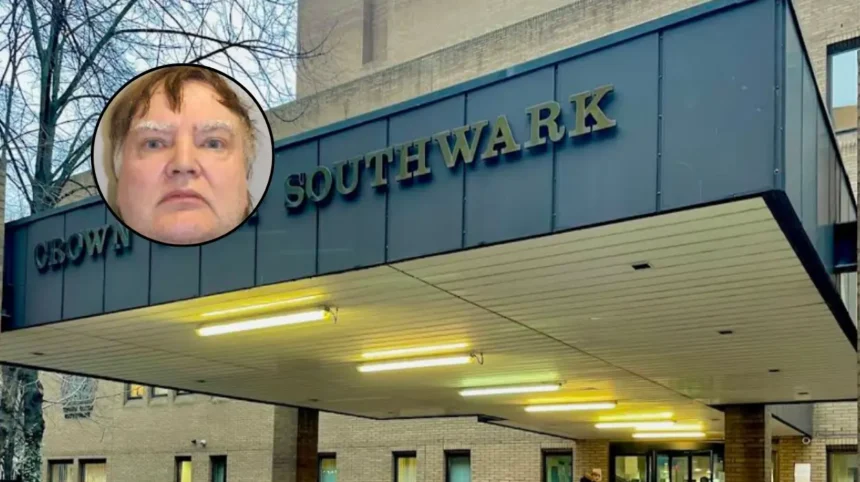
- Conviction and Sentence: British businessman David Greenhalgh, 68, of Croydon, South London, and Greek national Christos Farmakis, 48, have both been sentenced to 16 years in prison at Southwark Crown Court.
- Criminal Enterprise: The pair operated as illegal arms brokers between July 2009 and December 2016, facilitating black-market weapons transactions worth tens of millions of pounds.
- Severe Hardware Sourced: The military equipment brokered included ex-Soviet combat aircraft (MiG-29, Su-25, Su-27), combat helicopter gunships (Mi-24), Pechora S-125 surface-to-air missile systems, anti-tank missiles, battle tanks, and tens of thousands of AK-47 assault rifles with millions of rounds of ammunition.
- Target Destinations: Weapons were targeted at war zones and sanctioned, embargoed states, including Sudan, South Sudan, Libya, Iran, Iraq, and Syria.
- Method of Concealment: Greenhalgh routed transactions through his international corporate entity, “Airservices,” across multiple jurisdictions, forged end-user certificates, and paid corrupt bribes to foreign government officials.
- Fugitive Co-Defendant: Farmakis fled the United Kingdom after being granted bail and was tried, convicted, and sentenced in his absence.
Croydon (South London News) September 24, 2026 – A South London businessman has been sentenced to 16 years in prison at Southwark Crown Court after being convicted of running a multimillion-pound international arms brokering ring that attempted to flood active conflict zones—including Sudan, South Sudan, and Libya—with ex-Soviet fighter jets, surface-to-air missiles, and heavy military weaponry.
- Key Points
- How Did the Illegal Arms Operation Function Across International Borders?
- What Types of Military Hardware Were Supplied to Embargoed War Zones?
- What Remarks Were Made by the Presiding Judge and Prosecutors?
- Background of the Particular Development
- Prediction: How Will This Development Affect International Defense Contractors, Arms Brokers, and Regulatory Authorities?
David Greenhalgh, 68, of Croydon, operated as the controlling director of the “Airservices” group of companies alongside his co-defendant, Greek national Christos Farmakis, 48. Following a nine-week trial prosecuted by the Crown Prosecution Service (CPS) and investigated by HM Revenue and Customs (HMRC), Greenhalgh was convicted of 10 counts under the Export Control Order 2008 for illegally arranging the supply and delivery of military hardware to embargoed nations between 2009 and 2016. Farmakis was convicted of nine counts and sentenced to an identical 16-year term in his absence, having fled the UK while on bail.
How Did the Illegal Arms Operation Function Across International Borders?
As reported by reporter Edmund Burge KC, acting on behalf of the Crown Prosecution Service at Southwark Crown Court, Greenhalgh and Farmakis systematically acted as middlemen sourcing aging military stockpiles from former Soviet and Eastern European nations—including Ukraine, Belarus, Serbia, and the Czech Republic.
The court heard that the defendants used Greenhalgh’s international corporate web—registered across the UK, Greece, North Macedonia, Hong Kong, and South Sudan—to evade British trade controls. Greenhalgh referred to these illicit transactions in internal email communications as “sensitive projects,” mistakenly believing that routing deals through foreign subsidiaries would place his activities outside the reach of UK law enforcement.
As detailed in court documents presented by HMRC investigators, the pair routinely generated forged end-user certificates (EUCs) falsely stating that military equipment was destined for non-sanctioned nations. In one instance, an intercepted email revealed Farmakis explicitly warning Greenhalgh that “any activity without an EUC is illegal and subject to criminal investigations”. In another recovered exchange regarding an intended shipment of 100,000 AK-47 assault rifles to South Sudan, Greenhalgh observed that “Iraq/Syria is hoovering up every piece of small arms in market,” cautioning his associate that “Europe WILL NOT accept your paperwork”.
What Types of Military Hardware Were Supplied to Embargoed War Zones?
According to statements released by Anja Hohmeyer, Specialist Prosecutor from the CPS, the military equipment brokered by the defendants ranged from light weaponry to heavy, high-grade defense systems. The brokered goods included:
- Combat Aircraft & Gunships: Ex-Soviet MiG-29, Su-25, and Su-27 fighter jets, alongside Mi-24 combat helicopter gunships.
- Missile Systems: Surface-to-air missile batteries—specifically Ukrainian Pechora S-125 units capable of downing aircraft—and anti-tank missile launchers.
- Heavy Armour & Small Arms: Main battle tanks, spare military parts, rocket-propelled grenade (RPG) systems, tens of thousands of AK-47 rifles, and millions of rounds of live ammunition.
Prosecution evidence showed that while many deals were intercepted or stalled, the pair succeeded in delivering a former Ukrainian Pechora S-125 missile system to South Sudan, where the men maintained direct ties to senior political and military officials.
What Remarks Were Made by the Presiding Judge and Prosecutors?
Handing down the 16-year custodial sentences, Judge Sally-Ann Hales KC condemned the defendants for running a long-standing, financially motivated criminal enterprise.
As reported by media correspondents attending the sentencing, Judge Hales KC stated that “their offending was deliberate, sophisticated, financially motivated and persisted over many years”. The judge further noted that the pair regularly paid bribes to foreign officials to push shipments through, declaring:
“I am satisfied that both of you knowingly participated in or facilitated such payments which you regarded as a necessary cost of doing business”.
In a public statement following the hearing, Edwige Hill, Deputy Director in HMRC’s Fraud Investigation Service, stated that “Greenhalgh and Farmakis showed a blatant disregard for international sanctions, seeking to profit from the illegal supply of weapons”. CPS Specialist Prosecutor Anja Hohmeyer added that the defendants “treated the international arms trade as their personal business opportunity,” emphasizing that British trade controls strictly follow UK nationals regardless of where their overseas entities are registered.
Defense counsel James Hines KC, representing Greenhalgh, urged leniency by drawing attention to his client’s age, 68, and his lack of previous criminal convictions, arguing Greenhalgh had misapprehended how UK export control obligations applied to joint dealings with foreign nationals.
Background of the Particular Development
The conviction and sentencing of David Greenhalgh and Christos Farmakis mark the conclusion of one of the most complex, multi-year investigations into illegal arms trafficking conducted by UK law enforcement. Under the Export Control Order 2008, United Kingdom trade controls apply extra-territorially. This means British citizens or companies operating anywhere in the world commit a serious criminal offense if they broker, negotiate, or facilitate the transfer of military goods to embargoed destinations without explicit licenses issued by the Export Control Joint Unit (ECJU).
The investigation commenced after HMRC fraud investigators flagged irregular international banking transfers and suspicious corporate links connected to Greenhalgh’s Croydon-based “Airservices” group in the mid-2010s. Despite formal warnings issued directly to Greenhalgh during a January 2012 meeting with HMRC officers—wherein he was explicitly informed that UK law applied to his global activities—he continued operating as a conduit for arms trades into embargoed territories including Libya, South Sudan, and Syria. The subsequent trial at Southwark Crown Court, which lasted nine weeks before concluding with guilty verdicts in June 2026, established a critical legal precedent reaffirming the UK’s extraterritorial reach over arms control violations.
Explore More Croydon News
Croydon Proposes GPS Tags for Persistent Shoplifters in Croydon 2026
Croydon Proposes GPS Tags for Persistent Shoplifters in Croydon 2026
Prediction: How Will This Development Affect International Defense Contractors, Arms Brokers, and Regulatory Authorities?
This landmark 16-year sentence is anticipated to send immediate shockwaves through the global defense brokering industry, defense logistics firms, and corporate compliance sectors.
Impact on Independent Brokers and Logistics Firms:
For independent defense consultants, brokers, and aviation logistics contractors, the stern judicial penalty establishes a clear enforcement warning. Industry players who previously relied on complex offshore corporate structures, foreign subsidiaries, or overseas shell companies to bypass domestic arms embargoes now face the reality that British authorities actively apply jurisdiction globally based on nationality and corporate ties. Companies operating in grey-market military resale will likely see an immediate tightening of legal compliance auditing, as financial institutions and legitimate aviation providers distance themselves from unverified international transfers.
Impact on Sanctions Enforcement and Regulatory Oversight:
For the Export Control Joint Unit (ECJU), HMRC, and international compliance bodies, this prosecution provides a proven framework for dismantling shadow arms networks. Enforcement agencies are likely to increase scrutiny on end-user certificates (EUCs) originating from high-risk regions in Eastern Europe and Africa. Furthermore, defense contractors will face heightened due diligence mandates regarding secondary sales of decommissioned Soviet-era military hardware, drastically curtailing the unauthorized movement of combat aircraft and heavy weaponry into conflict zones.