Key Points
- 24/7 Access: The Acute Sickle Cell Unit at Lewisham Hospital provides round-the-clock emergency care, seven days a week, for individuals living with sickle cell disease.
- Pilot Initiative: The Lewisham unit serves as one of five pilot sites established across the United Kingdom aimed at enhancing patient access to specialized treatments.
- Rapid Care Delivery: Patients accessing the facility are seen in an average of eight minutes, significantly faster than the national 30-minute target.
- Council Leader Endorsement: Councillor Anthony Okereke, Leader of Greenwich Council who lives with sickle cell, visited the unit and highlighted the vital necessity of swift medical intervention.
- Blood Donation Appeal: September marks Sickle Cell Awareness Month, with health professionals urging the public, particularly those of Black heritage, to donate blood.
- Ro Blood Subtype Need: Individuals of Black African and Black Caribbean heritage are ten times more likely to possess the Ro blood subtype, which is essential for treating sickle cell through regular transfusions.
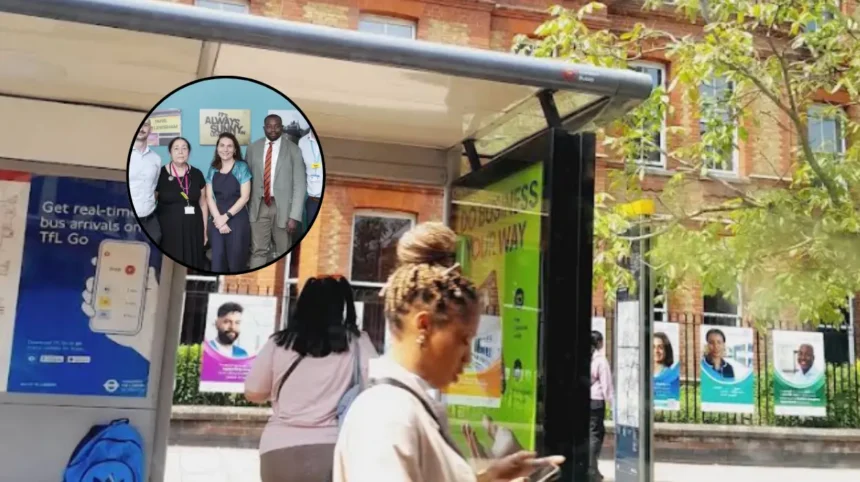
Lewisham (South London News) September 29, 2026 — The Leader of Greenwich Council, who manages sickle cell disease, has visited a dedicated emergency unit in neighbouring Lewisham that delivers continuous care for patients experiencing acute health episodes.
- Key Points
- How Is the Lewisham Acute Sickle Cell Unit Transforming Patient Care?
- Why Is Immediate Access to Specialized Care Vital for Sickle Cell Patients?
- Why Is Black Heritage Blood Donation Crucial During Sickle Cell Awareness Month?
- What Is the Background of Sickle Cell Service Provision in the UK?
- How Will This Development Affect Sickle Cell Patients and Regional Health Services?
How Is the Lewisham Acute Sickle Cell Unit Transforming Patient Care?
The Acute Sickle Cell Unit at Lewisham Hospital operates 24 hours a day, seven days a week, offering specialized emergency medical support to individuals suffering from sickle cell crises. The facility was designed to allow patients to bypass traditional Accident and Emergency (A&E) departments, ensuring they receive targeted interventions without prolonged waiting times. Since opening its doors in January 2025, the unit has established a delivery framework where patients are seen, on average, within eight minutes of arrival. This operational performance sits well beneath the national standard target of 30 minutes for acute pain management in sickle cell care.
According to statements provided by Michael Burns, Lead Advanced Clinical Practitioner in Haematology and Consultant Paramedic at Lewisham Hospital, the creation of the dedicated service was driven directly by community feedback regarding the specific challenges faced during emergency hospital visits. Michael Burns explained that the unit exists because patients expressed a clear need to be seen quickly, by medical staff who understand their condition and recognize them personally. He noted that since the unit opened in January 2025, the clinical team has successfully delivered this level of specialized care every hour of every day.
The Lewisham site forms part of a wider national trial. It represents one of five pilot sites operating across the country tasked with improving access to specialized treatments and lowering the reliance on emergency departments for complex haematological conditions.
Why Is Immediate Access to Specialized Care Vital for Sickle Cell Patients?
Sickle cell disease is an inherited red blood cell disorder that can cause severe pain episodes, known as vaso-occlusive crises, alongside organ damage and other life-threatening complications. When a crisis occurs, immediate pain relief and clinical assessment are critical to preventing further physiological harm.
Councillor Anthony Okereke, Leader of Greenwich Council, visited the neighbouring Lewisham site to observe its daily operations and speak with healthcare providers. Reflecting on his personal experience with the condition, Councillor Anthony Okereke stated that as someone who lives with sickle cell himself, he understands precisely how vital it is to obtain treatment rapidly when symptoms manifest. His visit underlined the importance of regional access to specialized care facilities for residents across South East London borough boundaries.
Why Is Black Heritage Blood Donation Crucial During Sickle Cell Awareness Month?
The clinical operations at the Lewisham unit coincide with ongoing national public health campaigns during September, recognized as Sickle Cell Awareness Month. Healthcare practitioners are utilizing the period to highlight the critical connection between blood donation rates and effective long-term treatment management for sickle cell sufferers.
Approximately 19,000 people in the United Kingdom live with sickle cell disease, with many requiring regular, lifelong blood transfusions to prevent severe complications such as strokes or organ failure. Effective treatment depends on matching donor blood as closely as possible to the recipient’s precise blood profile to avoid adverse immune reactions.
Data shows that individuals of Black heritage are ten times more likely to carry the Ro blood subtype, a specific genetic variation within the Rh positive blood group system. The Ro subtype is essential for creating closely matched blood transfusions for sickle cell patients. Consequently, clinical specialists are appealing directly to Black African and Black Caribbean communities to register as blood donors.
Commenting on the reliance on blood supplies, Michael Burns emphasized that none of the clinical progress achieved at the unit would be possible without safe, well-matched blood being available whenever patients require it. He added that encouraging increased donations from Black African and Black Caribbean communities during September remains a paramount priority for healthcare providers.
What Is the Background of Sickle Cell Service Provision in the UK?
Sickle cell disease primarily affects individuals of African, Caribbean, Middle Eastern, and South Asian heritage. Historically, patient groups and health advocates have highlighted systemic deficiencies in emergency care settings across the United Kingdom, where individuals presenting at general A&E departments with severe pain crises frequently experienced long delays in receiving analgesia.
Reports published by health oversight bodies over recent years have repeatedly pointed to a lack of specialized training among general emergency staff regarding haematological crises. In response to these findings, NHS trusts initiated pilot projects—including the 24/7 unit at Lewisham Hospital—to evaluate whether dedicated, specialized units separate from main A&E routes can yield better health outcomes, shorten hospital stays, and enhance patient safety.
How Will This Development Affect Sickle Cell Patients and Regional Health Services?
The establishment and ongoing operation of 24/7 dedicated units such as the one in Lewisham are expected to directly influence patient outcomes and operational pressure across the London healthcare network.
For individuals living with sickle cell disease in South East London, including residents of Greenwich and Lewisham, the availability of an eight-minute average response time provides rapid pain relief and reduces the physical trauma associated with prolonged emergency waits. The continuity of care delivered by specialists familiar with individual medical histories minimizes the risk of treatment errors and alleviates the distress often associated with navigating general A&E departments during a medical emergency.
From a broader health system perspective, if the pilot results across the five trial sites demonstrate sustained improvements in patient outcomes and reductions in overall hospital admission rates, health authorities may seek to roll out the model nationwide. Furthermore, success in encouraging target blood donations during Sickle Cell Awareness Month directly impacts the stability of matched blood supplies, ensuring that ongoing transfusion therapies can continue without interruption across regional hospitals.