Key Points
- Inspection Details: Lewisham Council Licensing Authority and Trading Standards conducted a joint inspection of The Railway Tavern on Southend Lane, Lower Sydenham, on 31 July.
- Allegations: Inspectors reported finding suspected counterfeit football shirts, knock-off designer handbags, illicit or counterfeit cigarettes, and prohibited disposable vapes on the premises.
- Licensing Issues: The local authority stated that the pub was operating and selling alcohol without authorization after its previous premises licence lapsed due to the dissolution of the operating company.
- Formal Warnings: Despite a warning letter issued by the council in August regarding unauthorized licensable activities, operations reportedly continued.
- Licensing Opposition: The Licensing Authority is opposing a new premises licence application for the venue, which will be considered by a council licensing sub-committee.
- Owner’s Defense: Premises owner Yener Karahan denied selling illicit items, stating football shirts and handbags were given away for free, the discovered vapes were for personal use, and no counterfeit cigarettes were sold.
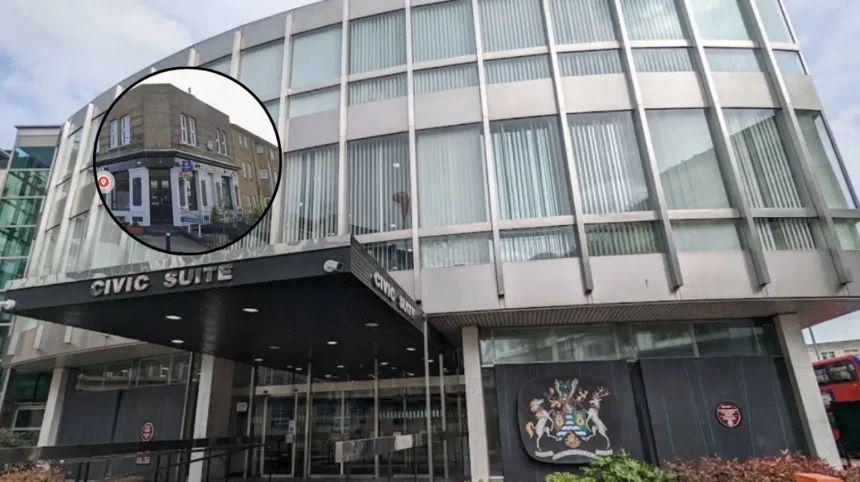
Lower Sydenham (South London News) October 1, 2026 – Local enforcement officers have uncovered suspected counterfeit football kits, knock-off designer handbags, and unauthorized alcohol sales during an inspection of a pub in Lower Sydenham, according to official council documents. The joint operation was conducted on 31 July by Trading Standards and the Lewisham Council Licensing Authority at The Railway Tavern, located on Southend Lane, following a complaint alleging the illicit sale of counterfeit cigarettes and sports merchandise on the premises.
- Key Points
- What Did Trading Standards Discover During The Railway Tavern Inspection?
- How Did the Pub Owner Respond to the Council’s Allegations?
- Why Is the Council Opposing the New Premises Licence Application?
- Background of the Licensing Enforcement Development
- Prediction: How Will This Development Affect the Local Community and Hospitality Business?
During the visit, an employee informed inspectors that an outside individual visiting the venue was responsible for distributing the cigarettes. Beyond the alleged counterfeit goods, council officers discovered that the venue had been operating without a valid premises licence, as the previous authorization had automatically lapsed following the corporate dissolution of the operating company. Although the council dispatched a formal warning letter regarding the unlicensed status in August, an official report indicates that licensable activities persisted at the location. Consequently, the Licensing Authority is formally opposing a fresh application for a premises licence, with a council licensing sub-committee scheduled to deliberate and determine the outcome of the application.
What Did Trading Standards Discover During The Railway Tavern Inspection?
In an official report submitted to Lewisham Council ahead of the upcoming licensing hearing, Trading Standards outlined severe reservations regarding how the venue is being managed. According to Trading Standards, the joint visit on 31 July was initiated directly in response to a tip-off concerning the sale of counterfeit cigarettes and fake football merchandise within the establishment. Upon searching the premises, officers documented the presence of suspected fake football shirts, counterfeit designer handbags, illicit cigarettes, and non-compliant disposable vapes.
In the written report provided to the licensing panel, Trading Standards noted that there are “substantial concerns regarding the management and operation of the premises.” The report highlighted the gravity of the findings, stating:
“The alleged sale of prohibited disposable vapes, counterfeit designer handbags, counterfeit football shirts and illicit/counterfeit cigarettes represents serious criminal conduct which strikes at the heart of the licensing regime.”
When queried by officers on-site regarding the origin of the illicit tobacco products, a member of staff asserted that an external male who frequented the pub was the person responsible for selling the cigarettes.
How Did the Pub Owner Respond to the Council’s Allegations?
When approached regarding the allegations detailed in the official inspection report, the owner of The Railway Tavern, Yener Karahan, rejected the claims made by council inspectors. Karahan maintained that the venue had not engaged in the illegal sale of trademarked or counterfeit merchandise, offering an alternative explanation for the items discovered on the property.
Karahan stated that the suspected fake football shirts and designer bags found inside the pub were not offered for sale to patrons, but were instead handed out to customers free of charge. Furthermore, regarding the non-compliant disposable vapes identified during the regulatory check, Karahan insisted that the devices were strictly for his own personal use rather than for commercial distribution. He additionally denied all allegations that counterfeit or illicit cigarettes had been sold to customers on the premises.
Why Is the Council Opposing the New Premises Licence Application?
In addition to the alleged trade in illegal goods, the council’s opposition centers heavily on the regulatory status of the venue’s alcohol licence. According to the Licensing Authority, the original premises licence for The Railway Tavern lapsed automatically under licensing law when the corporate entity acting as the licence-holder was officially dissolved.
Despite the council issuing a warning notice in August to alert the management that continuing to sell alcohol constituted an offense, an official report confirms that licensable activities continued unabated. Because the venue continued operating without authorization, the Licensing Authority filed a formal objection against the pub’s new premises licence application. The licensing sub-committee will weigh the allegations of unauthorized alcohol sales alongside the Trading Standards report when making its final determination on whether to grant a new licence.
Background of the Licensing Enforcement Development
Under the UK Licensing Act 2003, a premises licence automatically lapses if the holding company is dissolved, liquidated, or enters insolvency, unless a valid transfer application is lodged within a strict statutory timeframe (typically 28 days). When a licence lapses, any ongoing sale of alcohol or provision of regulated entertainment becomes unauthorized, exposing operators to potential prosecution, enforcement notices, and fines under section 136 of the Act.
Local authority Trading Standards departments regularly collaborate with police and licensing officers to monitor commercial venues for illicit trade, such as counterfeit goods, untaxed tobacco, and illegal vapes. Licensing sub-committees evaluate applicants against four statutory objectives: the prevention of crime and disorder, public safety, the prevention of public nuisance, and the protection of children from harm. Evidence of criminal activity, such as selling counterfeit items or operating without a valid licence, is frequently cited as grounds to refuse new applications or revoke existing permissions.
Prediction: How Will This Development Affect the Local Community and Hospitality Business?
The ongoing licensing dispute and potential refusal of the premises licence could have distinct operational and community consequences:
- For the Business and Licensee: If the licensing sub-committee refuses the application, The Railway Tavern will be legally prohibited from selling alcohol and conducting regulated entertainment. This would severely impact the venue’s commercial viability, potentially leading to closure, financial losses, or lengthy legal appeals through the Magistrates’ Court.
- For Local Patrons and Community: A refusal could lead to the loss of a neighborhood pub and social gathering space in Lower Sydenham. Conversely, rigorous regulatory action provides local residents with assurance regarding public safety, consumer protection, and the legal compliance of local establishments.
- For Regional Trade and Enforcement: A strict decision by Lewisham Council serves as a deterrent to other licensed premises in the borough. It underscores the operational necessity for hospitality venues to maintain strict oversight of corporate filings, adhere to licensing laws, and ensure that no non-compliant or counterfeit goods are brought onto commercial premises.